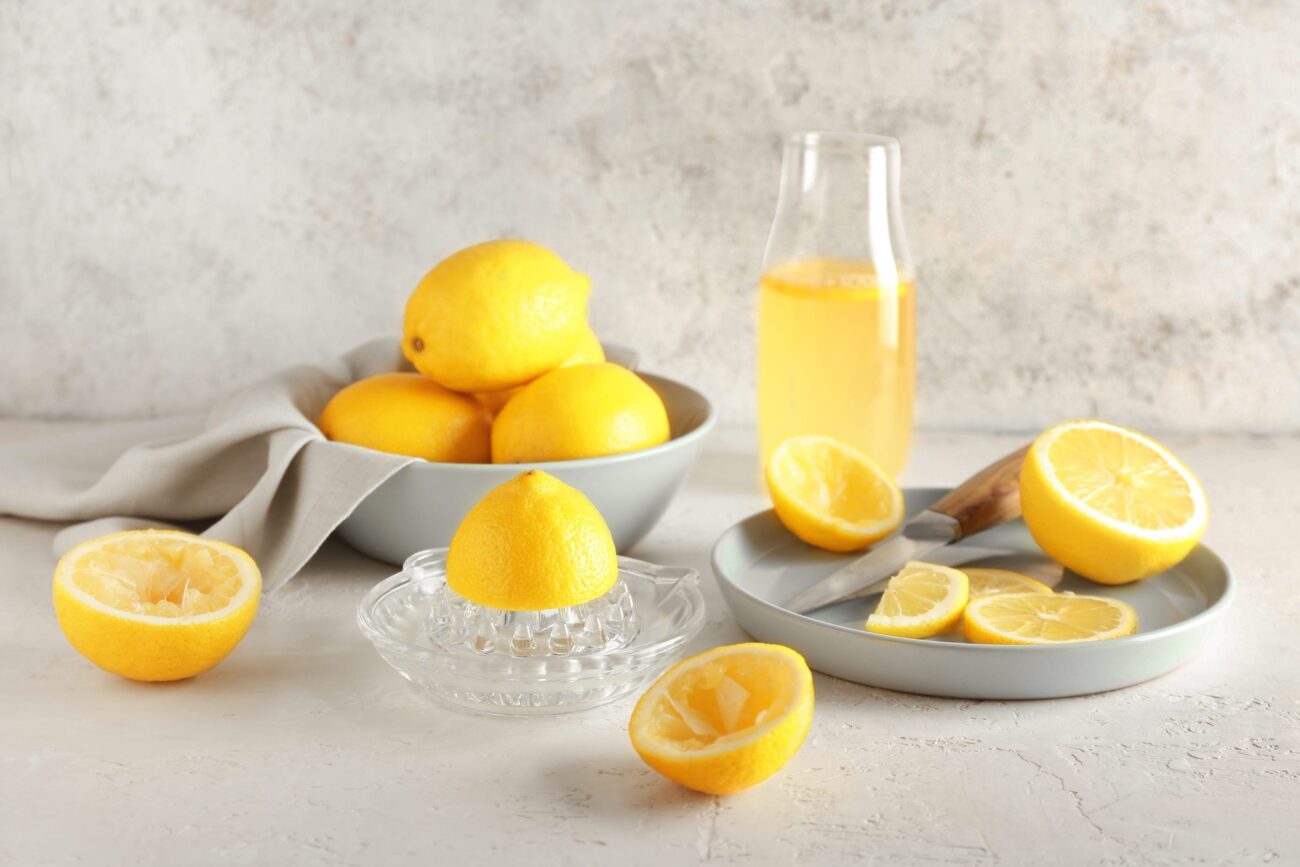
Lemon juice is one of those kitchen staples many people reach for without giving it a second thought. It adds a sharp kick to salad dressings, brightens marinades, and brings life to everything from iced tea to homemade sauces. But a new investigation from the U.S. Food and Drug Administration (FDA) has raised questions about whether some products sold as lemon juice actually contain what their labels promise. The reassuring news is that the agency found violations in only a small portion of the samples it tested.
What the FDA Discovered
The investigation uncovered problems with seven imported samples, not an industry-wide wave of fraudulent lemon juice.
On October 19, 2026, the FDA released findings from a sampling program conducted between 2022 and 2025. The agency tested 195 lemon juice samples, including 38 domestic samples and 157 imported samples, looking for signs of economically motivated adulteration, commonly known as food fraud. Seven imported samples failed to meet the agency’s requirements, while none of the domestic samples tested were found to be in violation.
That translates to a violation rate of approximately 3.6% across all samples and 4.5% among imported samples. The distinction matters because the results do not mean that 4.5% of all imported lemon juice on American shelves is fraudulent. The sampling program was not designed to estimate the prevalence of fraud across the entire market.
What Was Wrong With the Juice?
The concern was whether the products contained the ingredients and composition consumers would reasonably expect from lemon juice.
Food fraud can involve deliberately adding cheaper ingredients, substituting one ingredient for another, or diluting a product to reduce manufacturing costs. In lemon juice, potential problems include excess water, undeclared sweeteners, added citric acid, or juice from fruits other than lemons.
These changes may be difficult for ordinary shoppers to detect. A product might still look like lemon juice and have a sharp, sour taste, even if its composition does not meet the standard required for sale under that name.
The FDA used several laboratory techniques to examine the samples, including tests measuring acidity, soluble solids, and chemical signatures that can help identify ingredients from sources other than lemons. Such testing can reveal inconsistencies that are unlikely to be obvious from a bottle’s appearance or flavor.
Related: Lemonade Is the Garden Trend of 2026 as Americans Seek Stress Relief Outdoors
Where Did the Violations Come From?
The seven noncompliant samples came from several countries, but the findings do not establish that one country is more likely than another to produce fraudulent juice.
According to the investigation, three samples originated from India, two from Taiwan, one from Türkiye, and one from Vietnam. The FDA cautioned against using these numbers to compare countries because the sampling program was not designed to calculate country-specific violation rates.
That is an important point for consumers. The results identify specific problems discovered during testing, not proof that lemon juice from any particular country is generally unsafe or dishonest. Imported products can come from a wide range of manufacturers, and a country’s total number of violations cannot be understood without knowing how many products from that country were sampled.
What Happened to the Products?
The FDA did not simply publish its findings and leave the affected shipments to enter the market.
The agency reported that shipments associated with the seven violative samples were refused entry into the United States. The associated firms and products were also placed on Import Alert 99-47 or subjected to additional screening and surveillance.
An import alert can allow the FDA to detain certain products without physically examining every individual shipment. Companies seeking entry for affected products must provide evidence that the problems have been corrected, such as results from third-party laboratory testing. These measures are intended to prevent products that fail to meet federal requirements from entering the U.S. food supply.
Should Shoppers Stop Buying Bottled Lemon Juice?
The findings do not provide a reason to assume that every bottled lemon juice product is fraudulent.
The FDA’s results suggest that adulteration remains a concern, but the number of violations was limited within the samples tested. Consumers can continue making informed choices by purchasing products from established retailers, checking ingredient labels, and paying attention to official food safety announcements.
It is also worth remembering that food fraud and food safety are not always the same thing. A product diluted with water or supplemented with undeclared ingredients may primarily raise concerns about authenticity and value. However, some forms of adulteration can create genuine safety risks, particularly if contaminated or poorly handled ingredients are involved.
For a broader explanation of how intentional ingredient substitution works, the FDA’s overview of economically motivated adulteration explains why food fraud can affect products well beyond lemon juice.
Fresh Lemons or Bottled Juice?
Fresh lemons offer a simple alternative, but bottled juice still has a useful place in many kitchens.
Squeezing fresh lemons gives you direct control over what goes into your food, and the zest provides fragrant oils that bottled juice generally cannot replace. Fresh juice is especially appealing for recipes where lemon flavor is the star, such as homemade vinaigrettes, seafood dishes, and citrus desserts.
Bottled juice, meanwhile, is convenient, easy to measure, and useful when fresh lemons are unavailable. If you keep it in the refrigerator, follow the storage instructions on the label and discard it when it passes its recommended use period or shows signs of spoilage.
Whether you choose fresh or bottled juice, the important thing is understanding what you are buying. The latest FDA findings highlight the value of testing and enforcement in protecting honest businesses and helping consumers get the products they pay for.
Would these findings make you reconsider the bottled lemon juice in your refrigerator, or would you continue buying it while paying closer attention to the label?