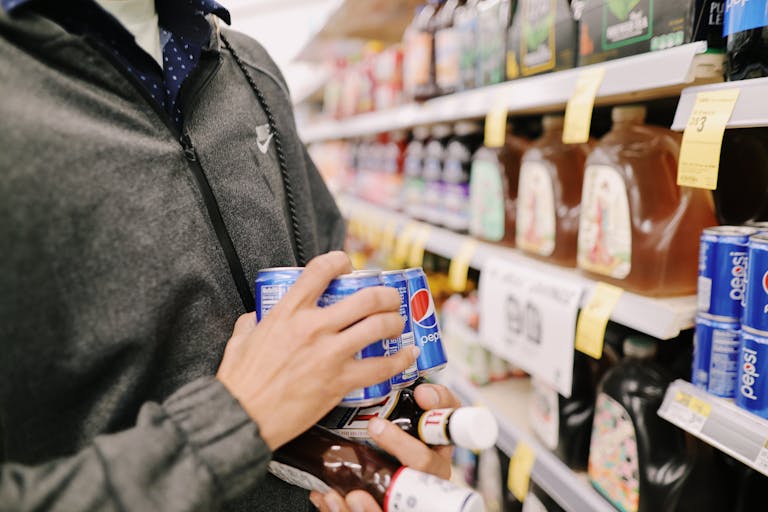
Ever walked into a grocery store for milk and bread, only to leave with a full cart and a receipt that makes you question every decision? You are not alone. Grocery shopping involves more than comparing prices and picking up dinner ingredients. Store layouts, product placement, promotions, and even the way items are packaged can influence what shoppers buy. Once you understand these common tactics, you can shop more confidently without giving up the occasional treat.
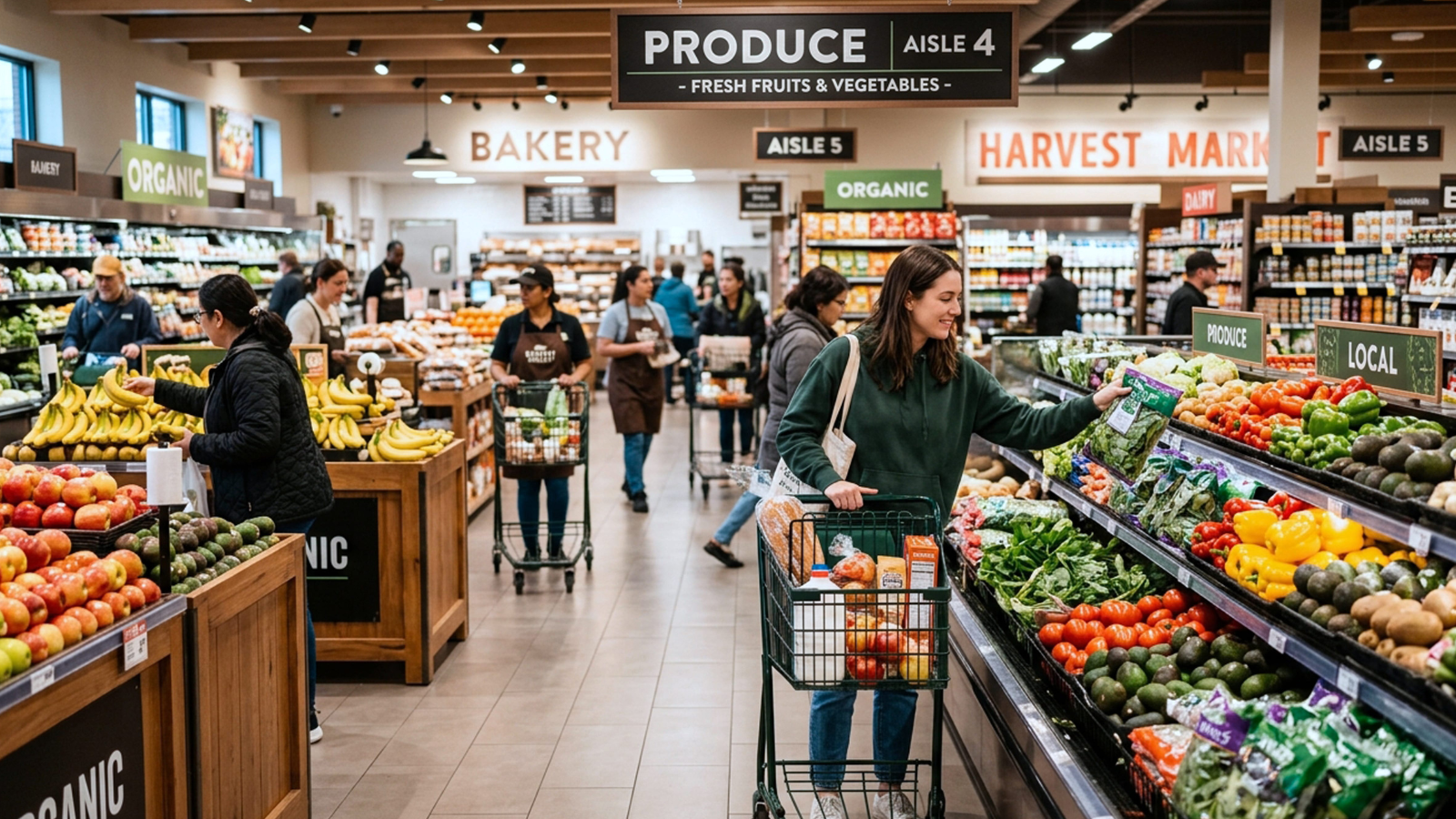
Essential Items Are Not Always Easy to Find
That quick trip for milk can become a tour of half the store before you reach the refrigerator.
Some supermarkets place frequently purchased essentials, such as milk, eggs, or bread, toward the back or along the edges of the store. This arrangement can encourage shoppers to pass other products on their way to the items they came for.
The longer you spend browsing, the more opportunities you have to notice something tempting. You might discover a new snack, grab a ready-made meal, or pick up an item you had not planned to buy.
Not every store follows the same layout, and practical reasons also influence where products are placed. Still, a shopping list and sticking to your intended route can keep an ordinary errand from becoming an expensive wander.
Eye-Level Shelves Can Influence Your Choices
The easiest product to spot isn’t always the best deal.
Brands often compete for prominent shelf positions because shoppers tend to notice products that are directly in their line of sight. Premium products may occupy highly visible positions, while cheaper alternatives sit higher or lower.
Before reaching automatically for a familiar package, scan the entire shelf. Compare unit prices, ingredients, package sizes, and quantities to see whether another option offers better value.
This is especially useful when buying cereal, pasta, canned vegetables, coffee, and other pantry staples. A few seconds of comparison can make a difference when you buy the same item repeatedly throughout the year.
Bright Sale Signs Can Make Discounts Look Irresistible
A big red SALE sign can grab your attention before you have even checked the price.
Promotional signs are designed to make certain products stand out. Bright colors, bold lettering, and large discount figures can create urgency, encouraging shoppers to act quickly instead of comparing alternatives.
The important question is whether the offer represents genuine savings for you. A discounted product you never intended to purchase can still increase your total spending, even when the price reduction is real.
Check the original and current prices, compare competing brands, and consider whether you would buy the item without the promotion. If the answer is no, leaving it on the shelf may be the better deal.
Buy-One-Get-One Offers Can Encourage Overbuying
Saving money on two items isn’t much of a win if the second one ends up in the bin.
Multi-buy promotions can help with products you regularly consume, especially those with a long shelf life. However, they can encourage shoppers to purchase more than they need simply because the offer appears too good to ignore.
Fresh produce, dairy products, bakery items, and other perishables deserve extra consideration. Buying additional quantities makes little financial sense if you cannot use them before they spoil.
Before accepting a multi-buy deal, check the price per item, storage requirements, and expiry dates. If your household will genuinely use everything, the promotion may be worthwhile. Otherwise, buying just one can be the smarter choice.
Larger Packages Do Not Always Offer Better Value
A family-sized package looks economical, but the unit price tells the real story.
Shoppers often assume that buying in bulk automatically means paying less per serving. In many cases, larger packages do offer better value, but that is not guaranteed.
Compare the price per kilogram, liter, or individual item rather than relying on the headline price. A smaller package on promotion might cost less per unit than the larger version sitting beside it.
Also consider how much you will actually use. A bargain-sized tub of yogurt or an oversized bag of salad isn’t economical if half of it goes uneaten.
Checkout Displays Encourage Last-Minute Purchases
The items beside the till are positioned perfectly for shoppers who have already made most of their decisions.
After walking through the store, comparing products, and loading the cart, you may have little energy left to reconsider another purchase. Checkout displays take advantage of that final moment by putting sweets, chewing gum, small drinks, and other convenient items within easy reach.
These products are often relatively inexpensive individually, which can make them seem harmless. But several small additions can increase the final bill without contributing much to your planned meals.
Try putting your phone away, keeping your list visible, and resisting the urge to browse while waiting to pay. If you genuinely want a treat, choose it deliberately rather than automatically adding whatever catches your eye.
Free Samples Can Lead to Unplanned Purchases
Sometimes, a tiny taste is all it takes to make an unfamiliar product feel irresistible.
Sampling allows shoppers to try something before committing to a purchase. It can be genuinely helpful when deciding whether an unfamiliar cheese, sauce, or snack is worth buying.
However, tasting a product can also make you more inclined to buy it, even if it wasn’t on your list. You might also feel a little social pressure to buy something after accepting a sample, even though you’re under no obligation to do so.
Enjoy samples when they are available, but permit yourself to walk away. If the product is genuinely useful and fits your budget, you can always add it to a future shopping list.
Related: 10 Grocery Store Traps That Could Cost Shoppers Over 60 More Money
Loyalty Offers Can Make You Spend More to Save
A discount only works when the extra spending makes sense.
Supermarket loyalty programs can offer real savings through member prices, coupons, and personalized promotions. The trouble starts when shoppers buy extra items to reach a spending threshold or unlock a reward.
Imagine spending extra on snacks you don’t need to qualify for a discount on a future purchase. The reward may feel satisfying, but the overall transaction could leave you worse off.
Check the conditions before chasing points or spending targets. Use loyalty offers for products you already planned to buy, and compare the member price with alternatives rather than assuming it is automatically the cheapest option.
Shopping While Hungry Can Change What Goes in Your Cart
A rumbling stomach can turn an ordinary grocery trip into a search for everything that looks delicious.
When you are hungry, tempting smells, attractive packaging, and ready-to-eat foods can become harder to ignore. You may find yourself reaching for crisps, pastries, sweets, or convenience meals that were never part of your original plan.
Research published in JAMA Internal Medicine found that people who were hungry purchased more high-calorie foods in an experimental shopping setting than those who were recently fed. Although individual shopping habits vary, the findings illustrate how hunger can influence food choices. You can explore the study in the JAMA Network’s published research.
A simple solution is to eat a meal or satisfying snack before heading to the supermarket. Combine that habit with a list and a realistic budget, and you will be better prepared to distinguish genuine needs from sudden cravings.
Shop Smarter Without Missing Out
The goal is not to avoid every promotion or turn grocery shopping into a battle of willpower.
Supermarkets offer convenience, variety, and legitimate opportunities to save money. Understanding how product placement, discounts, package sizes, and hunger affect your decisions helps you recognize when a purchase serves your needs and when it doesn’t.
For your next trip, try three small changes: eat beforehand, compare unit prices, and write down what you actually need. You can still buy your favorite treats, take advantage of worthwhile discounts, and discover new products without letting every display dictate your decisions.
For more guidance on making your food budget work harder, the USDA’s tips for saving money on food offer practical advice on meal planning, strategic shopping, and reducing waste.
Now, be honest: which grocery store temptation gets you most often- bright sale signs, checkout sweets, buy-one-get-one offers, or shopping while hungry?