Cooking pasta seems like one of the easiest things you can do in the kitchen. Boil water, toss in the noodles, and wait for them to cook. What could go wrong?
Quite a lot, actually. Even experienced home cooks make small mistakes that leave pasta sticky, mushy, bland, or swimming in watery sauce. The good news is that you don’t need expensive ingredients or professional cooking skills to make restaurant-quality pasta.
Sometimes, better results come from knowing what not to do. Here are 10 common pasta mistakes worth avoiding.
Never Add Pasta Before the Water Boils
When you’re hungry and need dinner fast, waiting for the water to boil can feel like forever. You might be tempted to toss the pasta into warm water and hope for the best.
However, most traditional pasta cooking instructions assume the water is already boiling. Starting too early without adjusting your technique makes cooking times harder to predict and leaves the noodles unevenly cooked.
For consistent results, bring the water to a rolling boil before adding your pasta. Give it a quick stir, then cook according to the package directions while checking for doneness.
Cold-water pasta methods can work, but they require a different approach.
Never Forget to Salt the Cooking Water
One of the biggest pasta mistakes happens before the noodles even enter the pot. Many home cooks skip salting the water, assuming the sauce will provide enough flavor.
Unfortunately, that can leave the pasta tasting flat, even when it’s covered in a delicious sauce.
Adding salt to the cooking water seasons the noodles as they absorb moisture. It’s a simple step that balances the whole dish.
You don’t need to follow the old advice that pasta water should taste exactly like the ocean. Season it appropriately, based on your dietary needs and how salty your sauce and other ingredients will be.
Never Add Oil to the Water to Prevent Sticking
You’ve probably heard someone recommend adding olive oil to boiling water to keep pasta from sticking together. It’s a popular kitchen trick, but it doesn’t work the way many people think.
Oil generally floats on top of the water instead of coating the pasta while it cooks. That means it does little to prevent noodles from clumping together beneath the surface.
What actually helps is stirring the pasta shortly after adding it to the pot. This separates the noodles while their surfaces are still particularly sticky.
Save your olive oil for the sauce, where it can contribute flavor and richness.
Never Use a Pot That’s Too Small
Trying to squeeze an entire package of spaghetti into a tiny saucepan might save you from washing a bigger pot, but it can create unnecessary problems.
Pasta needs enough room to move around as it cooks. When the pot is overcrowded, noodles can clump together, water can foam over more easily, and stirring becomes difficult.
Choose a pot that comfortably holds the pasta and enough water to keep it submerged. You don’t always need a giant stockpot, especially when cooking a small portion.
The important thing is giving the pasta enough space and stirring occasionally so it cooks evenly.
Never Walk Away Without Stirring
Pasta doesn’t require constant attention, but completely ignoring it after dropping it into boiling water can lead to an unpleasant surprise.
During the first few minutes, starch released from the pasta makes the noodle surfaces sticky. Without stirring, spaghetti strands may stick together, while smaller pasta shapes can settle against the bottom of the pot.
Stir the pasta thoroughly immediately after adding it. Stir again early in cooking and occasionally afterward.
This small habit can prevent you from serving a large, tangled clump of noodles instead of individual pieces of pasta.
Never Rely Only on the Cooking Time Printed on the Package
Pasta packaging instructions help, but they don’t guarantee perfectly cooked noodles.
Cooking times vary by pasta thickness, shape, and your preferred texture. Even your stove’s power and the amount of water can make a difference.
Instead of blindly following the timer, start tasting your pasta a minute or two before the recommended cooking time ends.
For many Italian-style dishes, the goal is al dente, meaning the pasta is tender but still offers a slight firmness when bitten.
If you plan to finish cooking the noodles in hot sauce, removing them a little early can also help prevent overcooking.
Never Rinse Hot Pasta After Draining It
Rinsing freshly cooked pasta under cold running water might seem like a good way to remove excess starch. However, for most hot pasta dishes, you should skip it.
That thin layer of starch helps sauce cling to the noodles. Washing it away can make it harder for your sauce to coat the pasta evenly.
Rinsing also cools the noodles, which isn’t ideal when you’re preparing a hot meal.
There are exceptions, of course. If you’re making a cold pasta salad, rinsing may help cool the pasta quickly and stop further cooking.
For spaghetti, fettuccine, penne, and other hot dishes, drain the pasta and combine it with your sauce.
Never Throw Away All the Pasta Water
That cloudy water left behind after boiling pasta might look useless, but it’s one of the most valuable ingredients in your pot.
As pasta cooks, it releases starch into the water. Adding a little of this starchy liquid to your sauce can help bring the ingredients together and create a smoother consistency.
This trick is especially useful when preparing dishes with olive oil, butter, cheese, or tomato-based sauces.
Before draining your noodles, scoop out a cup of cooking water and set it aside.
When combining your pasta and sauce, add the reserved water a little at a time while stirring. You may not need all of it, but having some available gives you more control over the finished dish.
Never Let Drained Pasta Sit Around Too Long
Have you ever drained a pot of perfectly cooked spaghetti, left it in the colander, and returned a few minutes later to discover a sticky mess?
That’s because pasta continues changing after it leaves the boiling water. As it cools, the surface starch can make the noodles stick together.
Leaving cooked pasta sitting for too long can also cause it to lose its ideal texture.
A better approach is to prepare your sauce before the pasta finishes cooking. That way, you can transfer the drained noodles directly into the sauce while they’re still hot.
Toss everything together until the pasta is evenly coated. If the mixture looks dry, add a small splash of reserved pasta water.
Good timing makes a noticeable difference.
Never Pour Sauce Over Plain Pasta and Call It Done
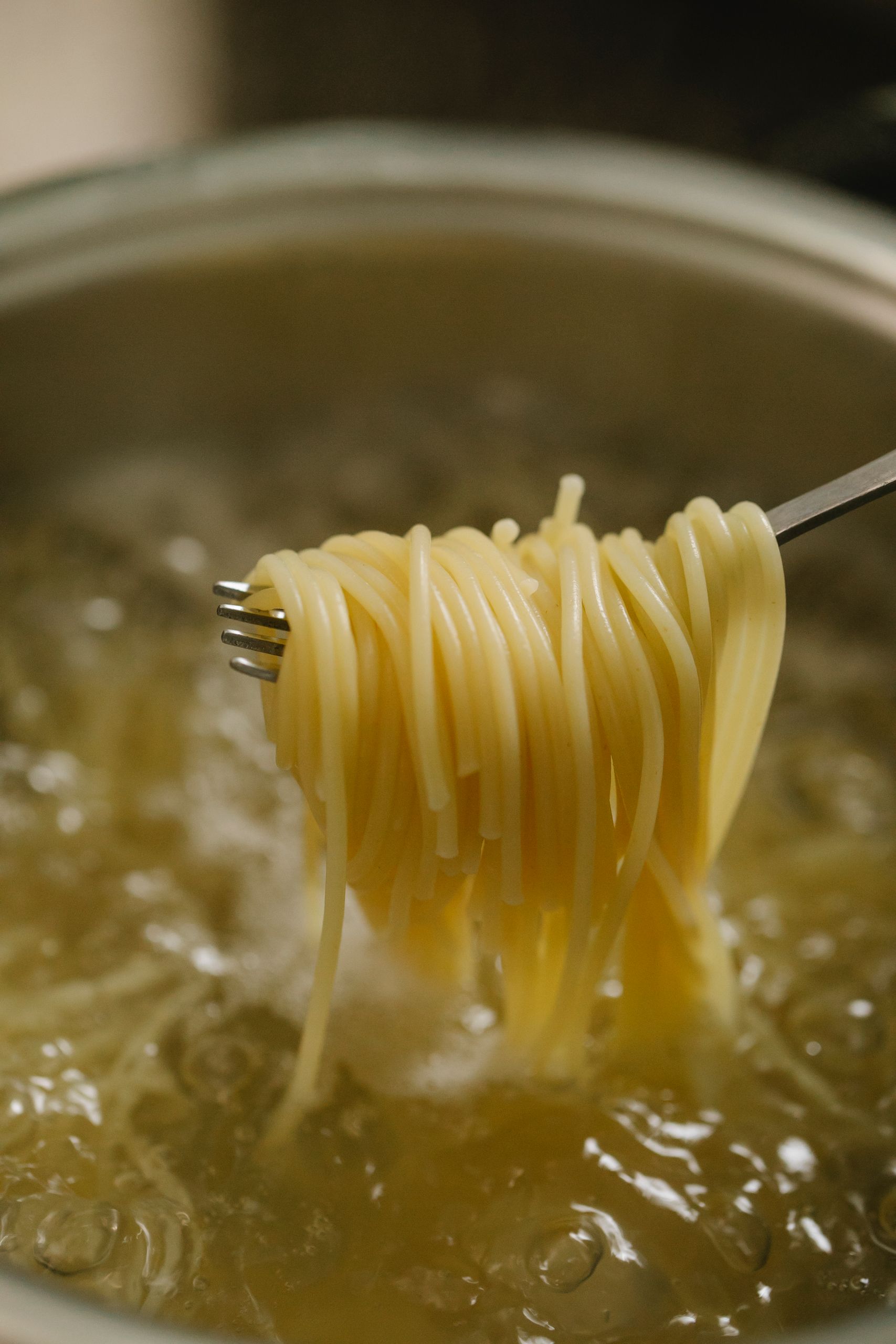
There’s nothing wrong with spooning sauce over a bowl of spaghetti, but combining the pasta and sauce in the pan often produces a much better result.
When pasta is tossed with warm sauce, each piece gets a more even coating. The noodles can also absorb some of the sauce’s flavor while everything comes together.
For the best results, transfer the cooked pasta to a skillet with your prepared sauce. Add a splash of reserved pasta water if needed, then toss everything over gentle heat for a minute or two.
This technique works particularly well with tomato sauces, creamy sauces, and simple olive oil preparations.
Instead of plain noodles hiding under a pile of sauce, you’ll get a dish where every bite tastes complete.
A Better Bowl of Pasta Starts With Small Changes
You don’t need fancy equipment or years of cooking experience to make delicious pasta at home. Most improvements come from simple habits, like salting the water, stirring at the right time, checking for doneness, and combining the noodles properly with their sauce.
The next time pasta is on your dinner menu, avoid these common mistakes. You might discover that the secret to a better bowl of spaghetti has been sitting in your kitchen all along.