Opening your refrigerator shouldn’t feel like solving a puzzle. Yet, for many households, finding a simple jar of mustard means moving three containers, a carton of milk, and yesterday’s leftovers. The problem isn’t always a small fridge. Sometimes, it’s how the space is being used. With a few smart changes, even a crowded refrigerator can become easier to navigate. Better organization can also help you spot forgotten groceries, reduce food waste, and make everyday cooking less stressful.
Start With a Complete Fridge Cleanout
Before buying organizers or rearranging shelves, take everything out of your refrigerator. You might be surprised by how many half-empty containers, forgotten leftovers, and duplicate condiments are hiding in the back.
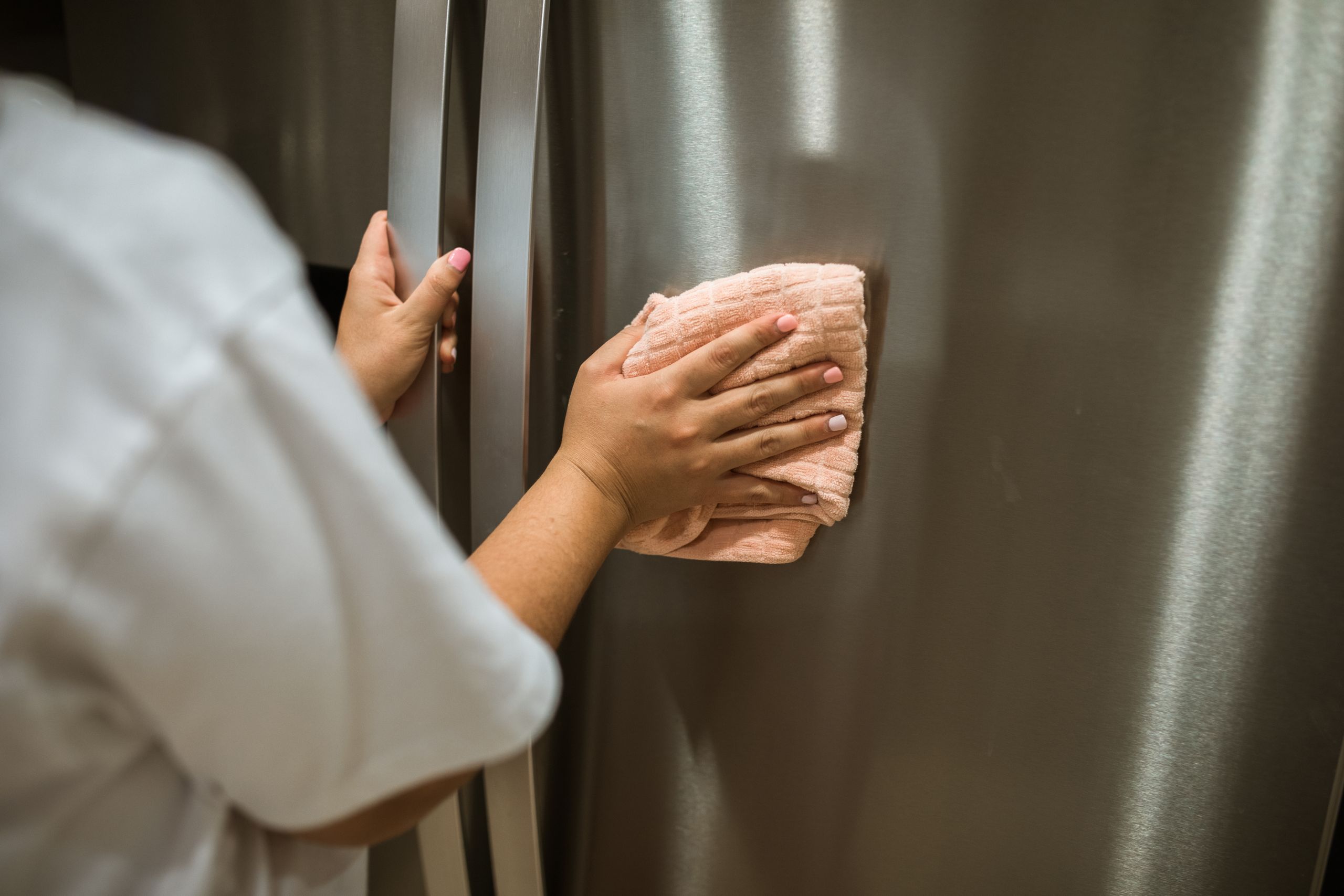
Check food for spoilage and review storage dates. Wipe down shelves, drawers, and door compartments using appropriate cleaning products. The FDA recommends cleaning the refrigerator regularly and wiping up spills immediately to help prevent contamination.
Once everything is clean, group similar items together on the counter. Don’t let perishable foods sit out too long. This simple reset helps you see exactly what needs space before you start putting things back.
Give Every Shelf a Specific Purpose
One of the easiest ways to organize your refrigerator is to assign each shelf a job. Instead of placing groceries wherever they fit, create designated areas for different food categories.
For example, use an upper shelf for ready-to-eat items, such as yogurt, prepared snacks, and leftovers. Keep milk, cheese, and other refrigerated dairy products together in the main compartment.
Reserve a lower area for properly contained raw meat and seafood. The USDA emphasizes keeping raw juices from contacting other foods.
When every item has a regular home, putting groceries away becomes much easier. You’ll also spend less time searching for ingredients when you start dinner prep.
Use Clear Containers to Control Clutter
Clear storage containers can make a crowded refrigerator feel more manageable. They let you see what’s inside without pulling everything out or opening multiple lids.
Consider using smaller bins for cheese, packaged snacks, yogurt cups, and other loose items. Choose containers that fit your shelves instead of buying oversized organizers that waste valuable space.
Stackable containers with flat lids can also help you use vertical space. Just avoid stacking them so high that it becomes difficult to access food.
You don’t need expensive matching containers, either. Reusing suitable, food-safe containers works just as well.
Keep Raw Meat on the Lowest Practical Shelf
Raw chicken, beef, fish, and other uncooked proteins deserve special attention. Their packaging may leak, especially during thawing, which can contaminate nearby food.
A practical approach is to place raw meat on the lowest available shelf inside a sealed, leakproof container. This helps prevent juices from dripping onto foods below.
According to the USDA, refrigerator temperatures should stay at 40 degrees Fahrenheit or below throughout the appliance. Raw meat must also be properly contained to prevent cross-contamination.
Keep meat separate from vegetables, cooked dishes, and foods eaten without additional cooking. This arrangement combines sensible organization with safer food handling.
Make Better Use of Your Refrigerator Door
The refrigerator door offers convenient storage, but it isn’t the ideal location for everything. Because you open it frequently, items stored there experience more temperature changes than those deeper inside.
Use door compartments for suitable condiments, such as ketchup, mustard, and pickles, following their package storage instructions. Small bottles and jars can fit neatly without taking up valuable shelf space.
Keep eggs in their original carton in the main refrigerator compartment, not on the door. The FDA specifically recommends this practice because the door tends to be warmer.
Also place milk in the main compartment, where temperatures generally stay steadier.
Adjust Shelves Instead of Working Around Them
Most modern refrigerators have adjustable shelves, but many homeowners rarely move them after installation.
Check the height of your grocery items. If you’re storing short containers beneath a tall shelf, you’re probably wasting usable space.
Move shelves closer together where appropriate, leaving taller sections for milk cartons, pitchers, and large food containers.
You can also place shorter items in stackable containers to use the refrigerator’s height better.
The goal isn’t to squeeze everything into every available gap. It’s to create a layout that fits the foods your household actually buys.
Organize Fruits and Vegetables in Crisper Drawers
Those drawers at the bottom of your refrigerator aren’t simply extra storage. They’re designed to provide suitable conditions for fresh produce.
Many refrigerators have adjustable humidity settings. The USDA explains that vegetables generally benefit from higher humidity, whereas many fruits do better in lower-humidity conditions.
If your refrigerator has two adjustable drawers, separate fruits and vegetables based on their storage needs.
Avoid stuffing the drawers so tightly that delicate produce gets crushed or forgotten.
Keep frequently used items near the front, and check what’s already inside before adding new groceries.
Create an Eat-First Section
Almost every refrigerator contains food that gets pushed aside until it’s too late. A dedicated eat-first section can help solve this common problem.
Choose one small, easy-to-see area for leftovers and refrigerated foods that should be used soon. A labeled container or designated shelf space works well.
Move older groceries to the front when you add new purchases. This encourages everyone in the household to use what they already have.
The USDA recommends eating refrigerated cooked leftovers within three to four days. Foods that won’t be eaten within that period can often be frozen earlier.
An eat-first section makes meal planning easier and gives forgotten ingredients another chance to reach the dinner table.
Avoid Overpacking Your Refrigerator
A full refrigerator may seem like you’re maximizing every inch, but overcrowding can create problems.
Cold air needs room to circulate stored food. According to the FDA, packing a refrigerator too tightly can interfere with proper cooling.
Leave reasonable gaps between containers and avoid blocking internal air vents. If you’re constantly struggling to close the door, it’s probably time to reconsider what you’re storing.
Remember that some unopened pantry products don’t require refrigeration until opened. Always check the package instructions before placing them inside.
A well-organized refrigerator should make food easier to access, not turn every grocery trip into a stacking competition.
Label Leftovers and Prepared Foods
That mysterious container in the back of the refrigerator might be spaghetti sauce, soup, or something nobody remembers cooking.
Simple labels can eliminate the guessing game.
Use removable stickers or food-safe tape to mark containers with their contents and preparation dates. This is especially useful for households that regularly prepare meals in advance.
Keep labels facing outward so they remain readable without moving containers.
You can also write the date you open certain refrigerated products to follow their specific storage instructions.
This small habit makes meal planning, cleaning, and deciding what to use next much easier.
Build a Five-Minute Weekly Fridge Routine
The secret to maintaining an organized refrigerator isn’t spending hours cleaning it every month. It’s developing a simple routine that prevents clutter from building up.
Before your weekly grocery trip, check what’s left in the refrigerator. Look for forgotten produce, older leftovers, nearly empty jars, and items you can use in upcoming meals.
Wipe up spills, move older groceries forward, and return misplaced items to their designated sections.
Make sure the refrigerator remains at or below 40 degrees Fahrenheit, using an appliance thermometer when necessary.
Once you get into the habit, maintaining your refrigerator becomes easier without another major overhaul.
Posts you might like:
7 Foods You Should Never Store in the Fridge Door, According to Food Safety Experts
10 Foods You Should Never Store in the Fridge — Here’s What to Do Instead