Some baking projects ask you to clear your schedule, flour half the kitchen, and develop a personal relationship with a rolling pin. Maple-pecan shortbread bars take a more relaxed approach. You press a buttery base into a pan, add a maple-sweetened pecan topping, and bake everything into sliceable squares. They deliver the nutty richness of pecan pie, but the press-in crust skips the work of rolling and shaping pastry.
The appeal is the contrast: a firm, buttery bottom beneath a sweet topping with plenty of pecan texture. Depending on the recipe,that upper layer can be sticky and custardy or chewy and caramel-like. Baker and cookbook author Gemma Stafford sums up her version neatly: “It’s seriously like you set pecan pie to ‘easy mode.’” Her bars pair brown-sugar shortbread with a maple, butter, cream, and pecan filling.
One scheduling detail to know before you start: easy prep doesn’t mean instant snacking. The bars need time to cool and set before you can cut them, and that wait varies widely by recipe. A smaller Allrecipes version lists a total time of two hours and 15 minutes, while Stafford’s larger batch requires at least four hours of cooling after baking. This is a rewarding afternoon project, not a last-minute dessert emergency plan.
Why Maple and Pecans Make Such a Good Shortbread Upgrade
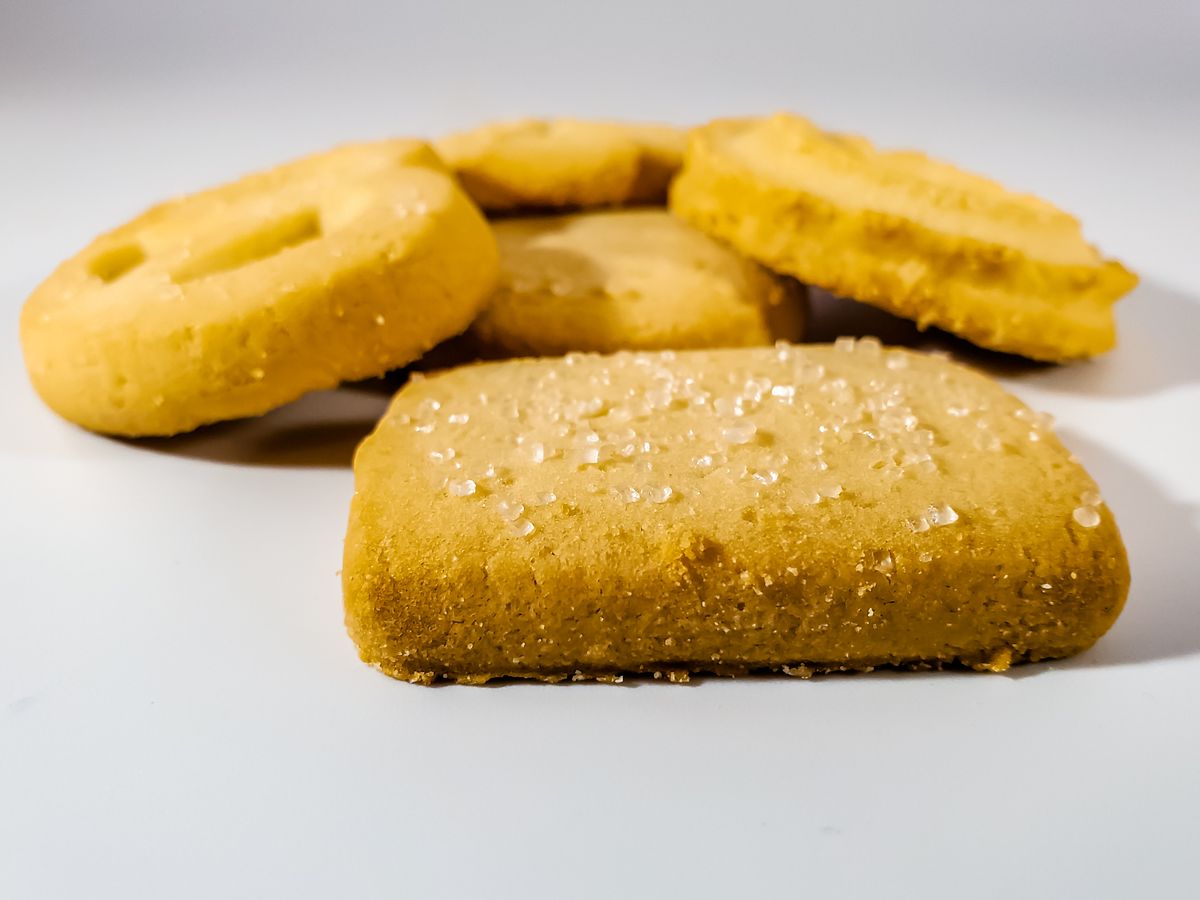
The shortbread gives all that sweetness somewhere sturdy to land. In the Allrecipes recipe submitted by Tracey Lafave Kessler, the base contains just flour, brown sugar, and softened butter. No one rolls or cuts individual cookies before baking; the dough is pressed directly into an 8-inch square pan. The topping adds maple syrup and chopped pecans, creating two distinct layers without requiring two complicated preparations.
Kessler connects the recipe to a specific ingredient in her introduction: “We get some real, pure maple syrup from back home in Ontario, Canada, and they are just delicious.” Stafford also specifies pure maple syrup for her bars. RecipeTin Eats creator Nagi Maehashi likewise recommends real maple syrup rather than an artificially flavored alternative, explaining that it contributes both maple flavor and the filling’s sticky consistency.
These recipes share a flavor profile, but they aren’t interchangeable. Kessler’s compact version uses one egg to help form its topping, while Stafford’s larger recipe contains no eggs and instead combines butter, brown sugar, maple syrup, and cream. Choose one complete method rather than borrowing a filling from one and a baking time from another. The easiest way to keep a simple project simple is to avoid turning it into an untested experiment halfway through.
Related: How Families Celebrated Thanksgiving in the 1950s
A Small-Batch Version Keeps the Afternoon Manageable
For a straightforward start, Kessler’s Allrecipes recipe makes 16 servings in an 8-inch square baking pan. The crust needs 1 cup all-purpose flour, ⅓ cup packed brown sugar, and ½ cup softened butter. The topping uses another ⅓ cup packed brown sugar, 1 large egg, 3 tablespoons pure maple syrup, and ½ cup chopped pecans. That is a short shopping list for a two-layer dessert.
Preheat the oven to 350 degrees Fahrenheit. Combine the flour and the first portion of brown sugar in a mixer, then mix in the softened butter until a dough forms. Press it into the ungreased pan and prick the surface with a fork, following Kessler’s instructions.Bake for about 20 minutes, looking for a golden-brown crust rather than pulling it out just because the timer went off.
While the shortbread bakes, beat the egg with the remaining brown sugar, maple syrup, and chopped pecans. Pour that mixture over the hot crust, then return the pan to the oven for another 12 to 15 minutes, until the topping has firmed. Run a knife around the edges immediately after removing the pan to help prevent sticking. Then let the bars cool completely before cutting; the recipe yields 16 pieces.
If you are baking for a larger group, Stafford’s recipe offers a separate, 24-square option in a parchment-lined 9-by-13-inch dish. Her crust uses melted butter and is mixed with a fork, while the filling comes together in a saucepan. It is still approachable, but its quantities, cooling intervals, and baking instructions differ from Kessler’s. Treat it as another complete option, not a reason to stretch the smaller recipe across a bigger pan.
The Hardest Ingredient Is Patience
The most tempting mistake happens after the oven has finished its work. A pan of warm maple-pecan bars practically invites an immediate corner inspection, but cooling is part of the method, not an optional delay. Kessler instructs bakers to cool the bars completely, and Stafford specifies at least a four-hour setting period. For Stafford’s version, baking the day before serving is explicitly offered as an option,making these useful for planned gatherings.
Salt and vanilla also deserve attention when they appear in the recipe you choose. Stafford uses both in her filling and advises, “Don’t be shy about using the salt and vanilla!” Maehashi similarly adds salt to her base and filling, with optional salt flakes on top to contrast the sweetness. Those details belong to their respective recipes; they show that a rich pecan bar can have more going on than sugar alone.
Once Stafford’s bars have cooled and been cut, she recommends storing leftovers in an airtight containerat room temperature for up to three days. That gives her larger batch a practical advantage: You can bake ahead rather than coordinating dessert with everything else happening in the kitchen. The finished reward is uncomplicated: a tray of buttery, maple-sweetened squares with a generous pecan topping, and no pie crust waiting to be crimped.
Other Stories You Might Like
- 8 TV Theme Songs Every Boomer Can Still Sing by Heart
- 7 Things Smart Women Do in Relationships That Others Rarely Notice
- 9 Things That Happen When Grandparents Live Nearby, According to Research