Gas stations have come a long way from selling bags of chips and questionable coffee. These days, you can grab everything from crispy chicken wings to fresh sandwiches, pizza, and even sushi without stepping inside a grocery store. But just because something looks delicious behind the counter doesn’t mean you should automatically toss it into your basket.
According to a 2025 Acosta Group survey, 51% of convenience-store shoppers bought hot food at least once a week. That’s a lot of people relying on gas stations for more than fuel. And although plenty of these foods are perfectly fine, some deserve a closer look before you take that first bite.
Here are eight foods worth a second look, plus smarter ways to shop when hunger strikes on the road.
Roller-Grill Hot Dogs and Sausages
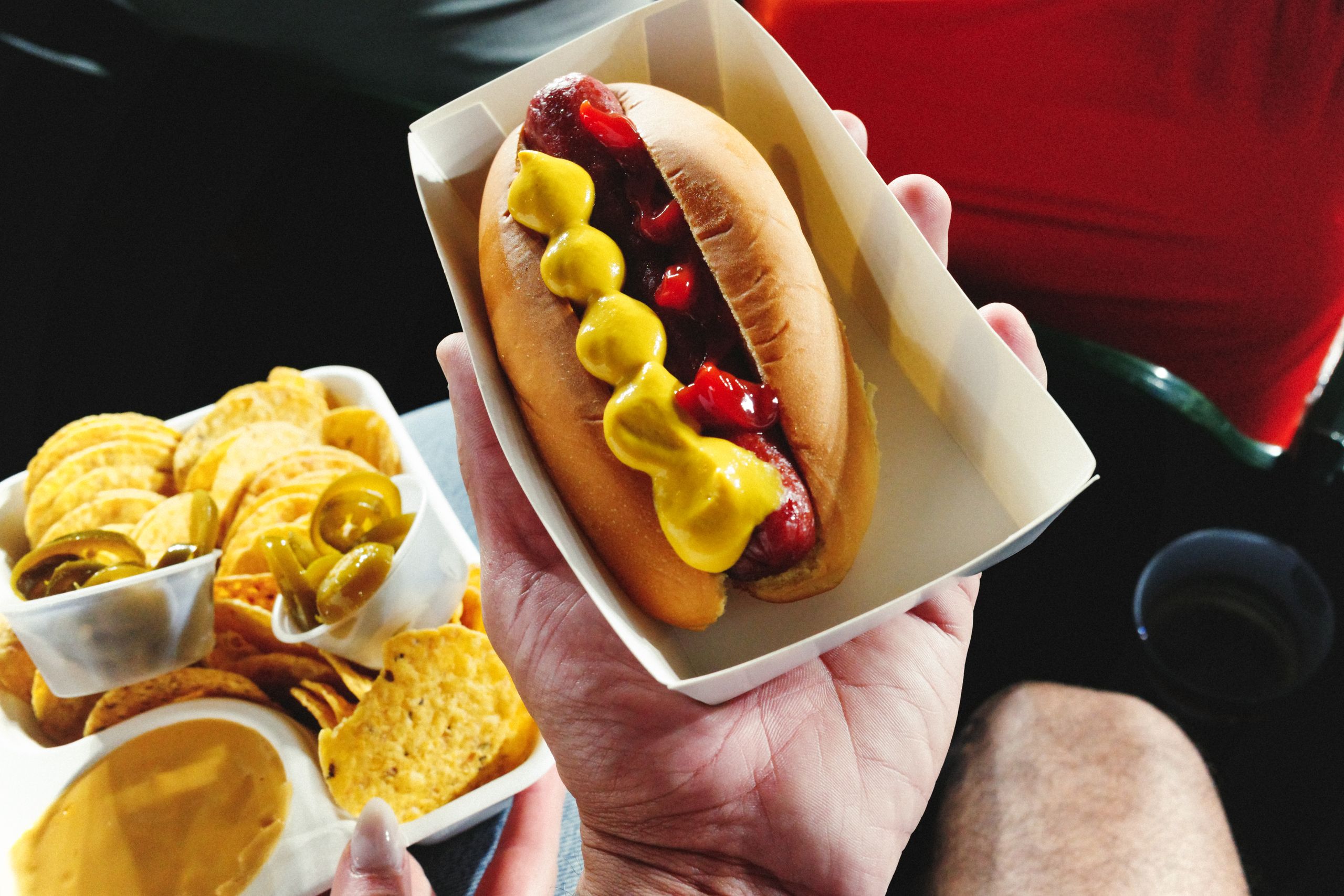
There’s something oddly tempting about those hot dogs spinning endlessly on a roller grill. They’re quick, convenient, and practically made for road trips. But the real question isn’t how long they’ve been rolling. It’s whether they’ve been prepared and kept at the proper temperature.
The Minnesota Department of Agriculture recommends keeping foods that require hot holding at 135°F or higher. A functioning roller grill doesn’t automatically guarantee that every hot dog meets that standard.
Before grabbing one, take a quick look at the serving area. Are the utensils clean? Does the food appear protected? If you’re unsure about the store’s handling practices, consider a freshly heated option instead.
Related:10 2024 Grilling Trends That Are Totally Hot
Fried Chicken, Wings, and Tenders
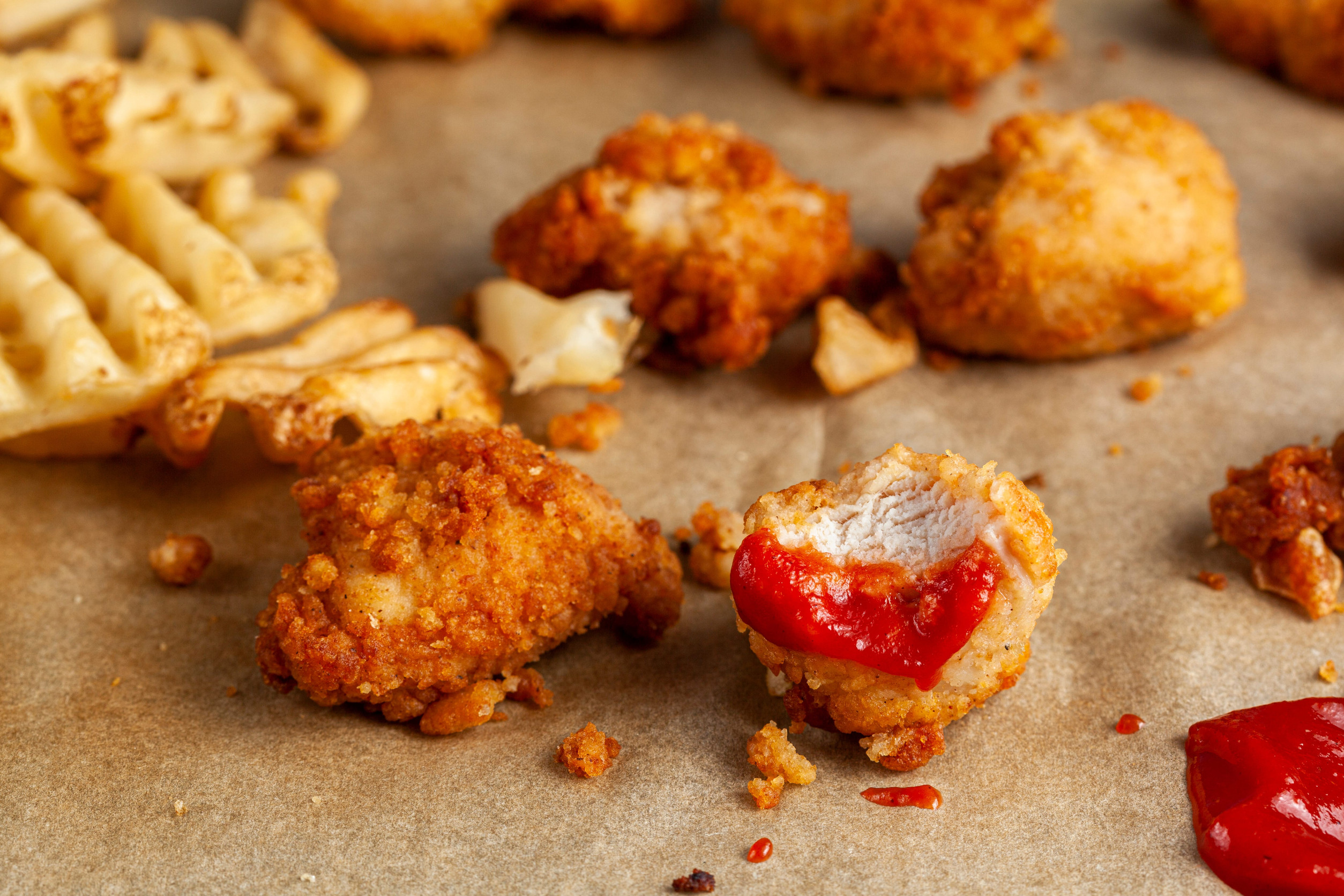
Golden, crispy chicken sitting under a warming lamp can be hard to resist, especially when you’re hungry. Unfortunately, a beautiful golden crust doesn’t tell you everything about how that chicken was prepared.
According to the USDA, poultry needs to reach an internal temperature of 165°F during cooking. Once cooked, chicken that requires hot holding must also be maintained at an appropriate temperature.
That doesn’t mean gas-station fried chicken is automatically a bad purchase. Many convenience stores have dedicated foodservice operations. Still, asking when the latest batch was prepared can help you decide what to order, especially if you want fresh, crispy chicken.
Related:7 Outrageously Strange Fried Foods You Have to Try
Pizza Slices Sitting in Heated Displays
A giant slice of pepperoni pizza can feel like the perfect answer to a long drive and an empty stomach. But that slice under a heat lamp deserves a closer look.
Proper hot holding matters more than how warm the display looks. Food can be heated unevenly, and a lamp shining over pizza doesn’t necessarily tell you its internal temperature.
Taste matters, too. Pizza that’s been displayed for a long time may lose its appealing texture, leaving you with a dry crust and less satisfying toppings.
Your best move? Ask when the pizza was baked or order a freshly prepared slice if the store offers one.
Refrigerated Deli Sandwiches and Wraps
Premade sandwiches are convenient because they require no cooking or waiting. Grab one, pay, and you’re back on the highway in minutes. But refrigeration and proper handling are especially important for ready-to-eat meals.
In May 2025, Fresh & Ready Foods recalled certain ready-to-eat products as part of a Listeria outbreak investigation. The products had been distributed through several channels, including convenience stores, hotels, and airports. The outbreak ended in July 2025, and the affected products are no longer available for sale.
The incident doesn’t mean convenience-store sandwiches are generally unsafe. It does highlight why checking packaging, storage conditions, and recall information matters.
Choose an intact package from a properly refrigerated case. If the sandwich looks poorly stored or the packaging is damaged, choose another lunch option.
Premade Tuna, Chicken, and Potato Salads
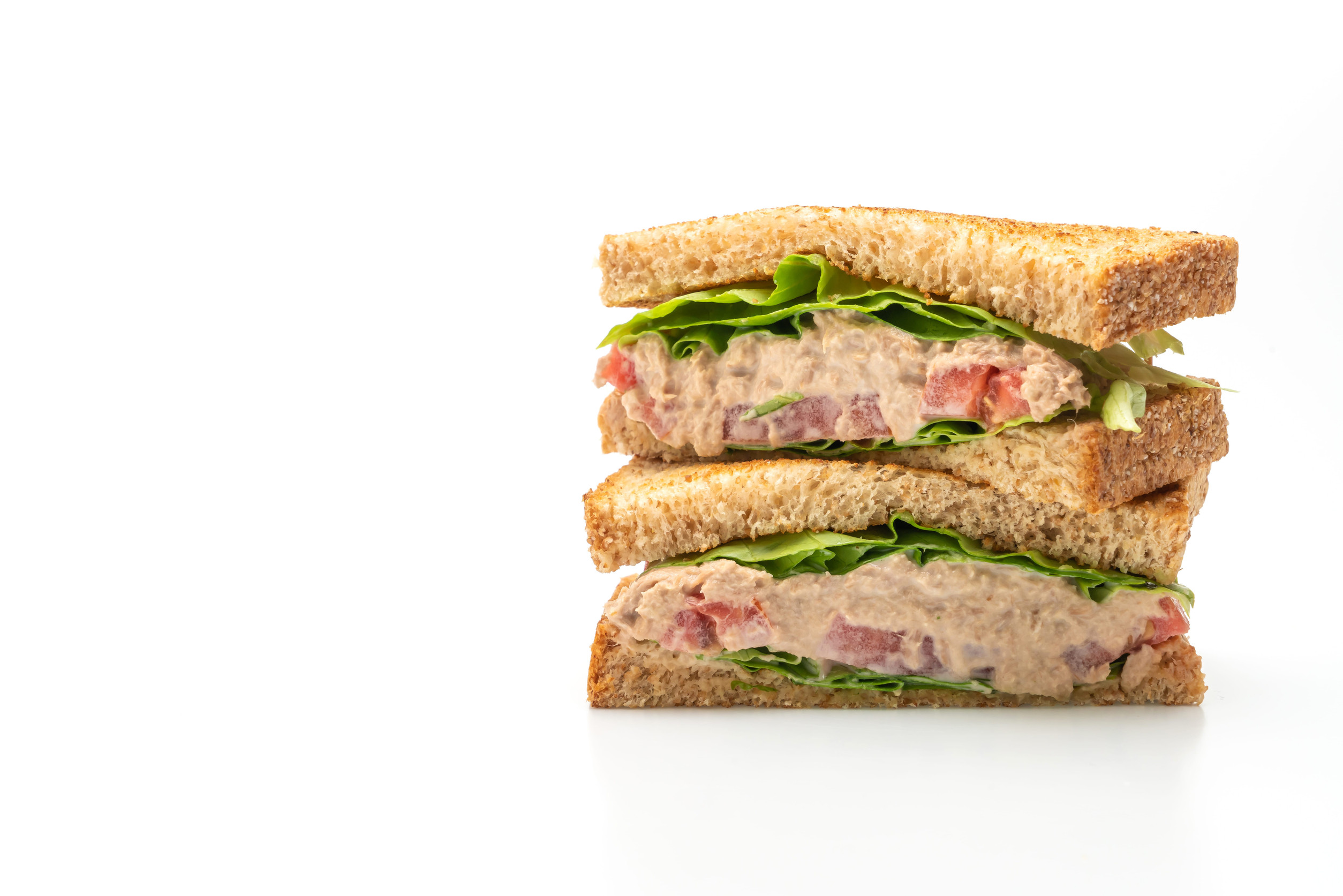
Those little containers of tuna salad, chicken salad, and potato salad might seem like easy road-trip meals. However, they require careful handling and refrigeration.
The CDC advises people at increased risk of Listeria infection to avoid premade deli salads. That guidance applies particularly to pregnant people, older adults, and people with weakened immune systems.
For other shoppers, a properly refrigerated salad can still be a reasonable choice. The trick is to check how it’s stored and make sure you can keep it cold until you’re ready to eat.
Planning a long drive without a cooler? An unopened, shelf-stable tuna pouch with crackers may be more practical than a refrigerated salad that sits in your car for hours.
Pre-Cut Fruit Cups, Especially Melon
A colorful cup of watermelon, cantaloupe, or mixed fruit looks like a refreshing alternative to another packaged snack. But once fruit is cut, storage becomes more important.
The FDA recommends buying pre-cut produce only when it’s refrigerated or kept on ice. That means a sealed fruit cup sitting on an ordinary room-temperature shelf deserves a second thought.
The CDC also recommends avoiding cut melon left out too long, especially in hot conditions.
Check that the fruit is properly chilled and that the container is intact. If you’re stopping somewhere without dependable refrigeration, a whole banana or orange can be a simpler choice.
Sushi Containing Raw Fish
Yes, some gas stations sell sushi, and that doesn’t automatically make it a terrible idea. The more important questions involve the ingredients, refrigeration, and how the food was prepared.
Raw seafood carries risks that aren’t eliminated simply because the package looks fresh. The FDA explains that freezing fish can kill parasites, but it doesn’t eliminate every harmful germ.
The FDA recommends that pregnant people, young children, older adults, and people with weakened immune systems avoid raw or undercooked seafood.
If sushi is calling your name, check the ingredients and storage instructions. A vegetable roll or one made with cooked seafood may be a better option if you’d rather skip raw fish.
Cream-Filled Doughnuts and Custard Pastries
A fluffy doughnut stuffed with cream sounds like a pretty good reward after filling your tank. But before choosing that beautiful pastry, check the filling and storage instructions.
Some cream-filled and custard-filled pastries require refrigeration because their ingredients are perishable. Others are commercially formulated to remain shelf-stable, so you can’t judge every filled doughnut by the same rule.
Check the packaging before buying. If the label says to keep the product refrigerated but it’s sitting on an ordinary shelf, choose something else unless the store can explain its handling procedure.
A plain doughnut or a sealed pastry labeled for room-temperature storage can be a convenient alternative.
The Bottom Line
Gas stations aren’t automatically bad places to buy food. In fact, many offer convenient, satisfying meals that can make a long drive much easier.
The smartest approach is to focus on refrigeration, packaging, preparation, and handling rather than judging food by where it’s sold.
A few extra seconds to check your options can help you choose something both convenient and worth eating.
Other Posts You May Like
- 8 Foods You Should Never Cook In Glass Dishes
- 7 Foods You Should Never Store in the Fridge Door, According to Food Safety Experts