Before you reach for that cheese in your refrigerator, take a closer look at the label because one recalled batch could pose a serious health risk.
Cheese lovers in New York and New Jersey have a new reason to check their refrigerators. Family Farmstead Dairy, a New York producer, has recalled a specific batch of its raw mild cheddar cheese because it may be contaminated with E. coli. The recall was announced on October 15, 2026, after testing identified Shiga toxin-producing E. coli in product samples.
Although no illnesses have been reported in connection with this recall, food safety officials are warning consumers not to eat the affected cheese. Here is how to identify the product, what to do if you purchased it, and why raw milk cheese deserves extra attention.
Which Cheddar Cheese Has Been Recalled?
The lot code is the most important detail to check before deciding whether your cheese is affected.
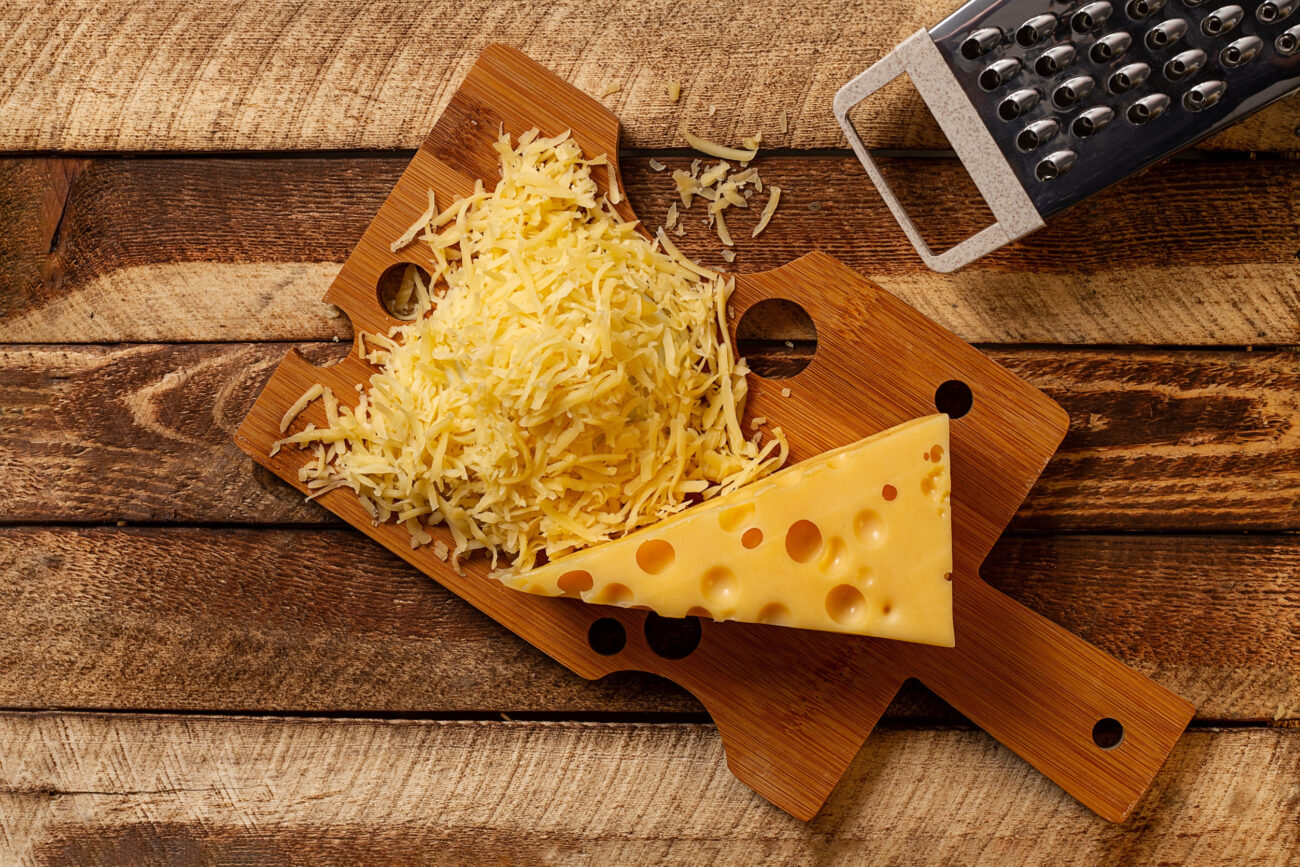
The recall involves Family Farmstead Dairy Raw Mild Cheddar Cheese, sold in clear eight-ounce plastic packaging with green, red, and white labels on the front and back.
According to the official FDA recall announcement, the affected product has the following identifying details:
Brand: Family Farmstead Dairy, Product: Raw Mild Cheddar Cheese, Package size: 8 ounces, Lot code: 7/22/27, Best by date: 7/22/27, Distribution: Grocery retailers in New York and New Jersey. The company said no other Family Farmstead Dairy products are included in this recall.
If you recently purchased raw cheddar, check the packaging carefully rather than relying on the brand name alone. The lot code and best-by date are essential for identifying the affected product.
Why Is the Cheese Being Recalled?
The concern is E. coli, a bacterium that can cause anything from severe stomach illness to potentially life-threatening complications.
The recall followed testing that detected two strains of Shiga toxin-producing E. coli in samples of the company’s A2 raw cheddar. The FDA announcement identifies the potential hazard as E. coli O157, a strain associated with serious foodborne illness. As of the announcement, no illnesses have been reported in connection with the recalled cheese.
E. coli infections can cause severe stomach cramps, diarrhea, vomiting, and sometimes bloody stools. In certain cases, the infection can lead to hemolytic uremic syndrome, a serious complication that can damage the kidneys.
Young children and older adults face a greater risk of serious complications. Anyone experiencing concerning symptoms after consuming potentially contaminated food should seek medical advice promptly.
What Should You Do If You Have This Cheese?
Do not taste it to determine whether it is safe because contaminated food can look and smell completely normal.
If your package matches the recalled product details, stop eating it immediately. The company advises consumers to discard the cheese or return it to the place of purchase for a full refund.
You should also clean any containers, utensils, refrigerator shelves, or other surfaces that may have come into contact with the cheese. Wash your hands thoroughly after handling the package, and avoid letting the product contaminate other foods.
The CDC’s food safety guidance explains how to reduce the risk of E. coli infection and what symptoms to watch for after possible exposure.
If you ate the recalled cheese, don’t assume you will become ill. Monitor your health, and contact a healthcare professional if symptoms develop. Seek prompt medical attention for bloody diarrhea, severe dehydration, persistent vomiting, or other serious symptoms.
Why Raw Milk Cheese Can Carry Additional Risks
Traditional cheese making does not automatically eliminate harmful bacteria.
Raw milk cheese is made from milk that has not undergone pasteurization, a heat treatment designed to kill disease-causing microorganisms. Although careful production practices can reduce contamination risks, they cannot guarantee that raw milk products are free from dangerous pathogens.
The CDC’s explanation of raw milk safety notes that unpasteurized dairy products can expose consumers to bacteria such as E. coli, Salmonella, and Listeria.
This does not mean every raw milk cheese is contaminated. It does mean consumers should understand the added risks, especially when choosing dairy for young children, pregnant women, older adults, or people with weakened immune systems.
For everyday meals, choosing pasteurized dairy products is a practical way to reduce exposure to these pathogens.
A Quick Reminder for Your Next Grocery Trip
A few seconds spent checking food labels can save you a great deal of trouble later.
Make it a habit to check recall announcements when you hear about a food safety alert, especially if you regularly buy specialty cheeses or products from local producers. Keep receipts when possible, since they may help when requesting a refund.
You can also explore foods that can support energy and mood when planning your next grocery list. Most importantly, never assume a product is safe just because it’s refrigerated or looks fresh.
The Bottom Line
If Family Farmstead Dairy Raw Mild Cheddar Cheese is sitting in your refrigerator, check its lot code before taking another bite.
The October 15 recall affects a specific eight-ounce package distributed to retailers in New York and New Jersey. No associated illnesses have been reported, but consumers who have the matching product should not eat it. Return it for a refund or discard it, and clean any surfaces that may have come into contact with the cheese.
Food recalls can be unsettling, but staying informed and checking product details can help you protect yourself and your family.
Have you checked your refrigerator for recalled products recently, and do you usually check food recall announcements before your next grocery shopping trip?