Cooking a delicious meal doesn’t have to mean spending hours chopping vegetables, washing dishes, or juggling five different pans. Professional chefs have learned that the secret to getting food on the table efficiently isn’t necessarily working faster. It’s knowing which steps matter, which ones you can simplify, and where a little prep saves surprising time.
The good news is that you don’t need an expensive kitchen or years of culinary training to borrow their tricks. From keeping a sharp knife to rescuing a sauce with an ingredient you would normally pour down the drain, these ten kitchen shortcuts can make everyday cooking easier without sacrificing flavor.
Prepare Everything Before You Start Cooking
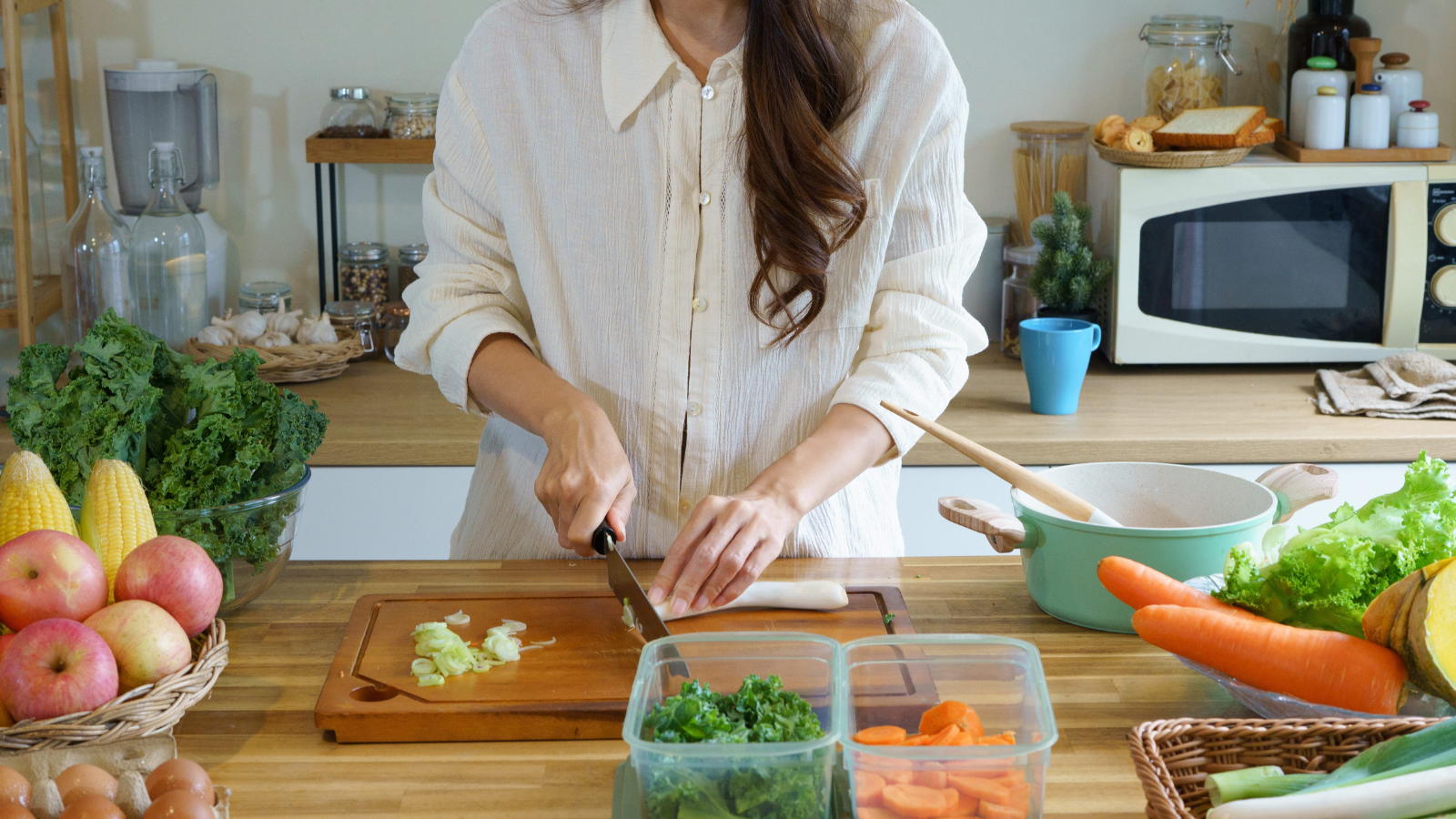
One of the simplest ways to cook faster is to stop chopping ingredients halfway through a recipe.
Professional kitchens use a technique called mise en place, a French expression meaning “everything in its place.” Chefs gather their ingredients, measure seasonings, chop vegetables, and organize their equipment before cooking begins. The practice helps prevent forgotten ingredients, frantic searching, and burnt onions while you’re still trying to peel garlic.
You can use the same approach at home without filling your counter with dozens of little bowls. Chop the vegetables, measure the spices, and group ingredients by when you add them to the pan. This small change makes particularly busy weeknight dinners feel much more manageable. The Michelin Guide explains why this preparation method is fundamental to professional kitchens.
Keep Your Kitchen Knife Sharp
A sharp knife saves time, improves your chopping, and makes everyday food prep safer.
A dull blade requires more pressure and can slip when it struggles to cut through an ingredient. A properly maintained knife cuts onions, tomatoes, herbs, and meat cleanly, giving you greater control. You don’t need a whole collection of expensive knives; a good chef’s knife can handle many everyday tasks.
Learn how to maintain its edge with the right sharpening tool, or have it professionally sharpened when needed. Always use a stable cutting board and keep your fingers away from the blade’s path. For a few more professional techniques, Bon Appétit’s chef-approved kitchen hacks explore the tools and habits that make home cooking more efficient.
Freeze Leftover Herbs Before They Go Bad
Those leftover parsley and coriander leaves don’t have to end up in the bin.
Fresh herbs often come in larger bunches than a recipe requires, leaving you with a handful of leaves that wilt before you use them again. Instead of throwing them away, chop the herbs and freeze them in small portions. Add them directly to soups, stews, sauces, and cooked dishes for a quick burst of flavor.
For herbs you plan to use in cooked meals, try placing the chopped leaves in an ice cube tray with a little water or oil. Once frozen, transfer the portions to a labeled freezer-safe container. The texture won’t be quite the same as fresh herbs after thawing, so save this trick for cooking rather than garnishing salads.
Use a Microplane for Garlic, Ginger, and Citrus Zest
One small grater can save you from tedious chopping.
A microplane-style grater produces finely grated ingredients without requiring you to mince everything by hand. Run a peeled garlic clove or a piece of ginger across the grater to create a fine paste that blends easily into marinades, dressings, and sauces. Use the same tool to remove fragrant citrus zest or finely grate hard cheese over pasta.
This shortcut is especially useful when a recipe calls for a small amount of an ingredient that would otherwise be awkward to chop. Watch your fingertips as the ingredient gets smaller, and clean the grater promptly before sticky garlic or ginger dries on it.
Save Your Pasta Water
That cloudy water left in the pasta pot can be the difference between an ordinary sauce and a silky one.
As pasta cooks, some starch moves into the water, helping sauces cling to noodles. Before draining your pasta, reserve a cup of the cooking water. Add a splash to your sauce as you toss the noodles, adjusting the amount until everything looks glossy and evenly coated.
This works particularly well with simple butter sauces, pesto, and dishes featuring cheese and olive oil. The water also helps loosen a sauce that has become too thick without immediately diluting its flavor. As Barilla’s pasta-water guide explains, this starchy liquid helps build a cohesive pasta sauce.
Use Frozen Vegetables Without Feeling Guilty
A bag of frozen vegetables can be a perfectly sensible shortcut, not a cooking failure.
Frozen peas, spinach, broccoli, and mixed vegetables save you time on washing, peeling, and chopping fresh produce. They’re usually frozen soon after harvesting, which helps preserve their nutritional value. Keeping a few varieties in the freezer also means you always have ingredients available for quick soups, stir-fries, omelets, and pasta dishes.
For better results, avoid overcrowding the pan when roasting frozen vegetables, since excess moisture can prevent browning. Some vegetables work best added directly to soups or stews, while others benefit from a hot pan that lets moisture evaporate. Choose the method that suits the dish rather than treating every frozen vegetable the same way.
Make Garlic Easier to Peel
A quick crush can turn a frustrating garlic-peeling job into a much simpler task.
Place an individual garlic clove on a cutting board and press it firmly with the flat side of a chef’s knife until the skin loosens. Then remove the papery covering with your fingers, then chop the garlic as needed. If you’re preparing several cloves, a purpose-made garlic peeler can also help speed things up.
Slightly crushing the cloves releases their juices, so this method is ideal when you plan to mince or mash the garlic anyway. If your recipe calls for beautiful, intact slices, peel the cloves more gently to preserve their shape.
Turn One Sauce Into Several Different Meals
A versatile homemade sauce can save you from starting dinner from scratch every evening.
For example, a simple tomato sauce can become the base for pasta one night, a shakshuka-style breakfast the next morning, and a quick sauce for baked chicken later in the week. You can change the flavor with different herbs, spices, vegetables, or a little cream, depending on the meal you’re preparing.
Make a larger batch when you have time, then divide it into portions and refrigerate or freeze it promptly. Store cooked food safely, label containers with dates, and reheat portions thoroughly. Having a few useful components ready to go makes it easier to put together a satisfying meal even when your schedule is crowded.
Use Your Oven to Cook More Than One Thing
When the oven is already hot, let it do a little more of the work.
If you’re roasting chicken, you can often cook suitable vegetables on another tray at the same time. Potatoes, carrots, onions, and peppers can all become delicious side dishes with a little oil and seasoning. Cooking several components together saves energy and reduces the number of pans you need to wash later.
The important detail is timing. Cut vegetables into uniform pieces, and add quick-cooking ingredients later if needed. Keep raw meat separate from ready-to-eat foods, and use a food thermometer when appropriate to confirm that meat and poultry have reached safe internal temperatures.
Related: 10 Common Kitchen DIY Fails You Should Avoid
Clean as You Go
The easiest kitchen cleanup starts before dinner is even finished.
Instead of allowing dirty bowls, chopping boards, and utensils to pile up, wash or rinse items whenever you have a spare moment. While a sauce simmers or vegetables roast, you can wipe the counter, put away ingredients, and wash equipment you no longer need. This leaves fewer jobs waiting when you’re ready to sit down and eat.
Keep a small bowl nearby for vegetable scraps and other waste, and empty it when you’re done prepping ingredients. Always wash your hands and surfaces after handling raw meat, and don’t reuse utensils that touched raw ingredients without washing them first. A few minutes of attention throughout the cooking process can make the final cleanup considerably less daunting.
Small Changes Can Make a Big Difference
You don’t need to cook like a restaurant chef to benefit from the habits that make professional kitchens run smoothly.
The best kitchen shortcuts save effort while helping your food taste better. Prep ingredients ahead of time, keep useful staples in the freezer, and learn to make the most of everyday ingredients to turn cooking from a stressful chore into a more enjoyable part of your routine.
Start with just one or two techniques and see which ones fit naturally into your kitchen. Once they become habits, you may find that preparing dinner feels easier without sacrificing the pleasure of making something delicious.
Which shortcut would you try first: saving pasta water, freezing leftover herbs, or preparing all your ingredients before you start cooking?