Walk into almost any restaurant, and you’ll see different generations bringing their own ideas about what makes a great dining experience.
For some diners, a good meal starts with a familiar routine: calling ahead, sitting down with a printed menu, and knowing exactly what to expect. For others, the experience is about convenience, technology, and trying something new.
Neither approach is necessarily right or wrong. Many restaurant habits are simply shaped by the time period when people learned to dine out.
Here are classic habits often associated with older diners that younger guests may find unfamiliar.
Asking for a Printed Menu Instead of a QR Code
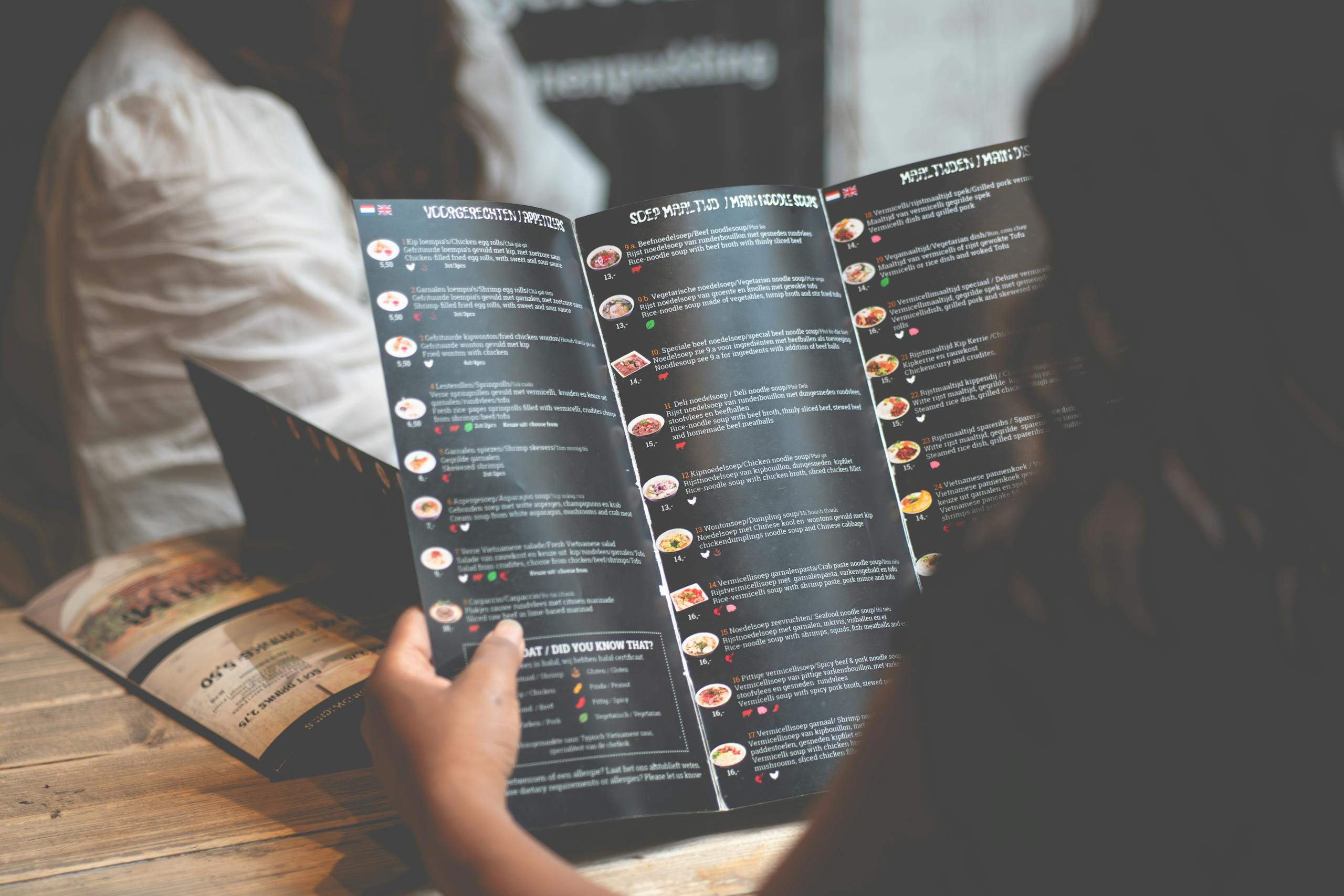
Requesting a physical menu instead of scanning a code at the table can surprise younger diners.
QR menus have become much more common in recent years, and many customers now feel comfortable using their phones to browse a restaurant’s offerings.
For some older guests, however, a printed menu is simply easier and feels more natural. A paper menu does not require a phone, internet connection, or battery power, and it can create a more traditional restaurant experience.
MenuTiger reported that 78% of boomers had not accessed a menu through a QR code. That doesn’t mean every older diner avoids digital menus, but it highlights how generations may approach restaurant technology differently.
Calling the Restaurant Instead of Booking Online
Many older diners still prefer calling to make a reservation, especially when planning a special dinner or a larger gathering.
While younger customers often start with booking platforms, restaurant apps, or online reservation systems, some guests still prefer speaking directly with the host stand.
A phone call can offer something a digital booking form may not: a conversation. Guests can ask about seating preferences, accessibility needs, celebrations, or restaurant questions before arriving.
For many longtime diners, calling feels more personal and reliable. While online reservations have become a major part of modern dining, some restaurants still encourage phone calls for larger groups or special arrangements.
Related: 6 Restaurant Habits That Secretly Make Your Server’s Job Harder
Sending Food Back When Something Isn’t Right
Many older diners view telling a server that a meal needs to be corrected as a normal part of dining out.
If a steak arrives overcooked, a dish is missing an ingredient, or an order is not prepared as requested, some guests are more comfortable asking for a replacement.
Younger diners may sometimes hesitate because they worry about creating an uncomfortable interaction or appearing difficult. Older customers often see it differently: they paid for a meal and want the experience they ordered.
FODMAP Everyday cited in a report that 61% of people over 55 were comfortable returning food, compared with 41% of younger diners.
The key difference is not whether someone complains, but how they do it. A polite explanation of a genuine issue is a normal part of restaurant communication.
Leaving a Cash Tip Instead of Using a Digital Prompt
Leaving cash on the table after a meal can feel old-fashioned to diners used to card readers and suggested tip screens.
Many younger customers are used to selecting a percentage on a payment device, while some older diners prefer to choose a specific cash amount themselves.
For some guests, cash feels more direct and gives them a clearer sense of control over what they leave behind. Tipping habits also vary widely by generation, region, and personal experience.
A 2025 Bankrate survey reported that 84% of boomers always tip at sit-down restaurants, compared with 83% of Gen X and 61% of millennials. The same report listed average tip differences between groups, but tipping behavior remains a personal choice shaped by many factors, including service quality.
The key point is that a cash tip isn’t automatically outdated, just as a digital tip isn’t automatically better. Both are simply different ways diners handle the final part of a meal.
Choosing Familiar Chain Restaurants Over Trendy New Spots
Returning to familiar restaurant chains is another preference younger diners sometimes struggle to understand. While many younger guests enjoy discovering independent restaurants, new concepts, and online-popular places, some older diners prefer knowing exactly what they will receive.
Restaurants such as Olive Garden, Red Lobster, Applebee’s, and Cracker Barrel built loyal customer bases by offering recognizable menus and consistent experiences. For many longtime customers, familiarity is part of the appeal.
Price also plays a role. Fortune reported that more than 60% of baby boomers said finding a fair or reasonable price was a top factor when choosing a new restaurant.
A familiar chain can offer comfort because customers already understand the menu, atmosphere, and expected cost.
Choosing a restaurant because you know what to expect is not necessarily a lack of adventure. For many diners, consistency is exactly what makes the experience enjoyable.
Different Generations, Different Dining Styles
Restaurant habits often reveal more about when someone grew up than how they view food.
A printed menu, a phone reservation, or a favorite chain restaurant may seem unusual to younger diners, but these choices often come from years of personal experience.
Ultimately, good dining comes down to enjoying the meal and respecting the people around the table. Whether someone prefers a QR code or a paper menu, a trendy restaurant or a familiar favorite, there is room for every style at the table.