McDonald’s has spent decades building its reputation around burgers and fries, but the fast-food giant is preparing to give customers more reasons to visit. Its latest growth strategy puts two categories firmly in the spotlight: chicken and beverages. From crispy chicken sandwiches to colorful specialty drinks, the company wants to capture more of the money Americans are already spending on fast food.
The challenge? McDonald’s isn’t entering these markets alone. Established chicken restaurants and increasingly popular coffee chains already compete for the same customers, and new consumer spending data suggests winning them over won’t be as easy as adding a few menu items.
Why McDonald’s Is Looking Beyond Burgers
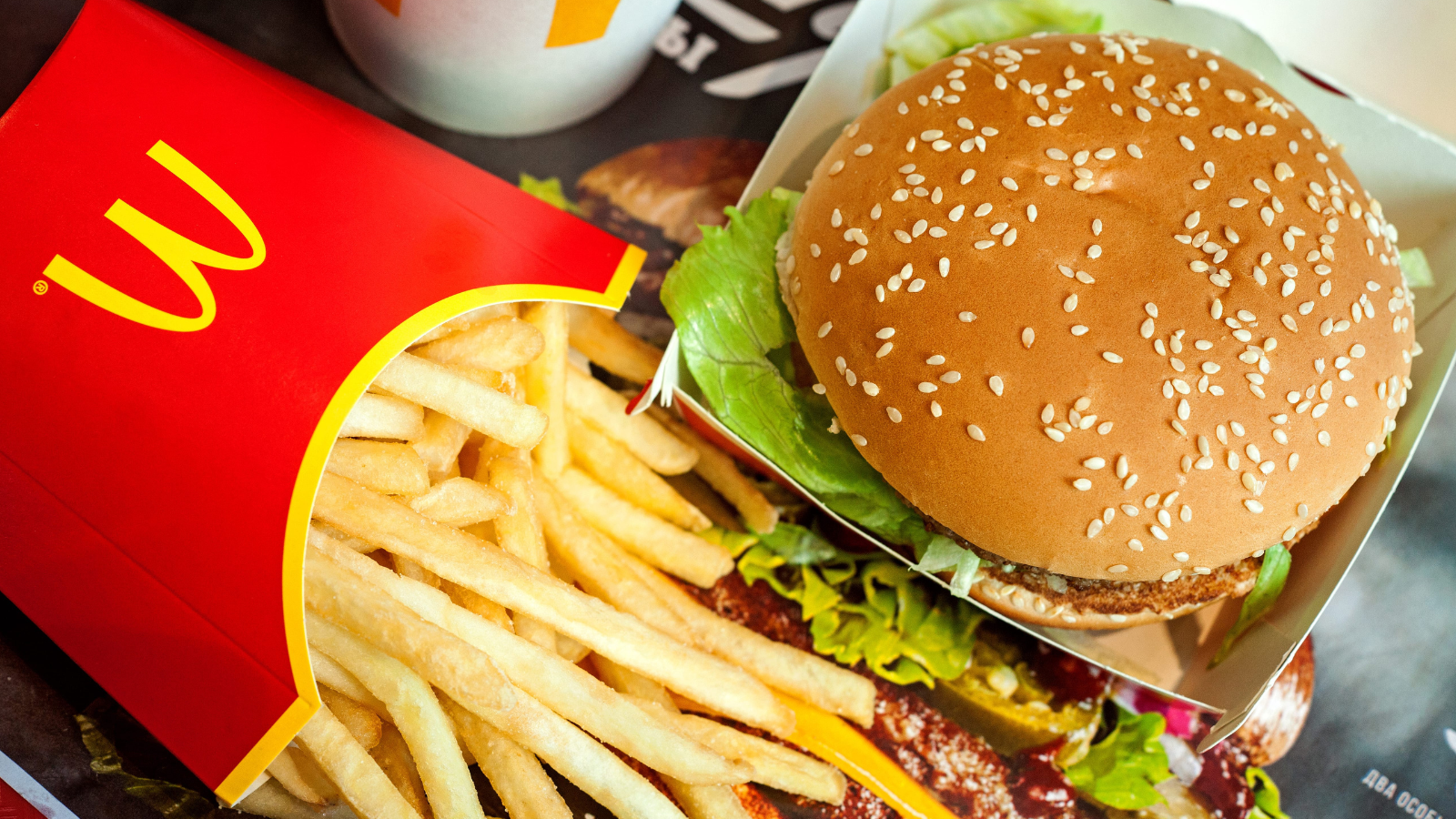
The company that made Big Macs famous sees some of its biggest opportunities outside the burger aisle.
At its September 2026 investor day, McDonald’s outlined plans to gain an additional 1.5 percentage points of market share in both chicken and beverages by 2030. CEO Chris Kempczinski highlighted the size of these markets, describing chicken as a $130 billion category and beverages as a $230 billion category, compared with approximately $50 billion for beef. The company’s official growth strategy announcement explains how these targets fit into its broader plans.
Those numbers help explain the strategy. McDonald’s already has a strong position in beef, leaving less room to grow its share of that market than in categories where competitors have established themselves. Chicken and specialty drinks offer opportunities to attract customers who might otherwise visit another restaurant.
The company isn’t abandoning burgers, either. Instead, it wants to expand its menu while keeping its traditional strengths intact.
Chicken Is Becoming a Bigger Part of the Plan
McDonald’s wants customers to think beyond McNuggets when they’re craving chicken.
Chicken McNuggets remain one of the company’s biggest sellers, generating nearly $15 billion in annual systemwide sales, according to its investor presentation. McDonald’s also plans to improve its existing chicken offerings and introduce additional options, including grilled chicken sandwiches and wraps.
Another important development is hand-breaded chicken. The company has been testing products using techniques developed across its international operations, including experience gained from restaurants in Asia. Early testing in the Chicago area reportedly produced encouraging customer feedback.
Competition, however, will be fierce. Chick-fil-A, KFC, and other chicken-focused chains already have established followings, particularly among younger consumers. McDonald’s will need to convince diners that its chicken deserves to compete on taste and quality, rather than relying solely on convenience or familiar branding.
The Beverage Business Could Be Even More Interesting
Your next McDonald’s order might involve a specialty drink rather than a burger.
Cold coffee, refreshers, crafted sodas, and energy drinks are central to the company’s beverage ambitions. McDonald’s has been expanding its McCafé offerings to appeal to customers looking for alternatives to traditional soft drinks and basic coffee.
The timing matters because beverages can attract customers at different times of day. Management says more than half of beverage-led visits occur after lunch, when restaurants typically have more capacity. Specialty drinks can therefore help bring people through the doors during quieter afternoon hours.
For customers who enjoy experimenting with new flavors, this expansion could make McDonald’s an appealing alternative to established coffee shops. Building enjoyable coffee rituals into your daily routine can also remind you that the experience around a drink matters almost as much as what’s in the cup.
Competitors Are Already Winning Some of Those Customers
The biggest obstacle may be that McDonald’s customers already have favorite places for chicken and coffee.
Consumer spending data reported by CNBC suggests Chick-fil-A gained a larger share of McDonald’s customers’ fast-food spending than any other individual chain in the third quarter of 2026. Coffee brands, including Starbucks, Dutch Bros, 7 Brew, and Dunkin’, also gained spending share collectively. The figures are discussed in this report on McDonald’s chicken and beverage ambitions.
That doesn’t necessarily mean customers are abandoning McDonald’s. The data tracks where customers spend their money, not precisely which products they purchase at each restaurant. Someone might buy a burger at McDonald’s for lunch and visit a coffee shop later for an afternoon drink.
Still, the findings highlight an opportunity for McDonald’s to capture more spending from people who already know and visit the brand. The question is whether its new products will be appealing enough to change their habits.
What This Means for Everyday Customers
More competition could eventually mean more choices, new flavors, and better reasons to stop by.
McDonald’s has the advantage of an enormous restaurant network and an established customer base. Introducing new beverages and chicken products through existing locations could let it reach customers without building an entirely separate restaurant chain.
However, expanding the menu is only part of the challenge. Product quality, consistent preparation, reasonable prices, and quick service will all influence whether customers return. A colorful drink might generate curiosity once, but repeat purchases depend on whether people genuinely enjoy it.
For people who enjoy exploring food and drink, this competition could be welcome news. Simple changes to everyday routines, including making time for habits that support energy and well-being, can also encourage a more thoughtful approach to what we eat and drink.
Related: The Best McDonald’s Secret Menu Items You Need to Try
Can McDonald’s Make the Strategy Work?
The real test isn’t whether McDonald’s can introduce new products, but whether customers will keep buying them.
The company’s chicken and beverage ambitions represent a significant attempt to expand its business beyond its traditional strengths. Its existing scale gives it a powerful starting point, but competitors have already demonstrated how appealing specialized menus can be.
Success will depend on whether McDonald’s can deliver products that customers genuinely want, at prices they consider worthwhile, while maintaining the convenience that made the chain popular in the first place.
For now, the strategy signals a broader shift in how McDonald’s sees its future. Burgers may remain its signature offering, but chicken and beverages could become increasingly important parts of the business. The latest analysis from Business Model Analyst examines the spending data behind this shift and the challenge of persuading existing customers to spend more at McDonald’s.
Would you visit McDonald’s more often for specialty coffee and refreshing drinks, or would you still choose a dedicated coffee shop for your favorite beverage?