A meatless dinner doesn’t have to mean another bowl of greens with a hopeful drizzle of dressing. Oven-baked falafel brings something considerably more exciting to the table: golden chickpea patties, fresh herbs, warm spices, and plenty of opportunities for a generous swipe of sauce. Tuck them into pita, pile them onto a salad, or build a dinner bowl around them. The best part? You can get a crisp exterior without setting up a pot of oil for deep-frying.
The trick isn’t a special appliance or a mysterious ingredient. It’s choosing the right chickpeas for the recipe, soaking them long enough, and remembering that “baked” doesn’t mean “oil-free.” Recipe developers Kathryne Taylor of Cookie and Kate and Jeanine Donofrio of Love and Lemons both offer oven methods built around soaked dried chickpeas and olive oil. Their approaches make this a manageable home-cooking project, with one important catch: you start the prep before dinnertime.
The Crunch Starts Before You Turn On the Oven
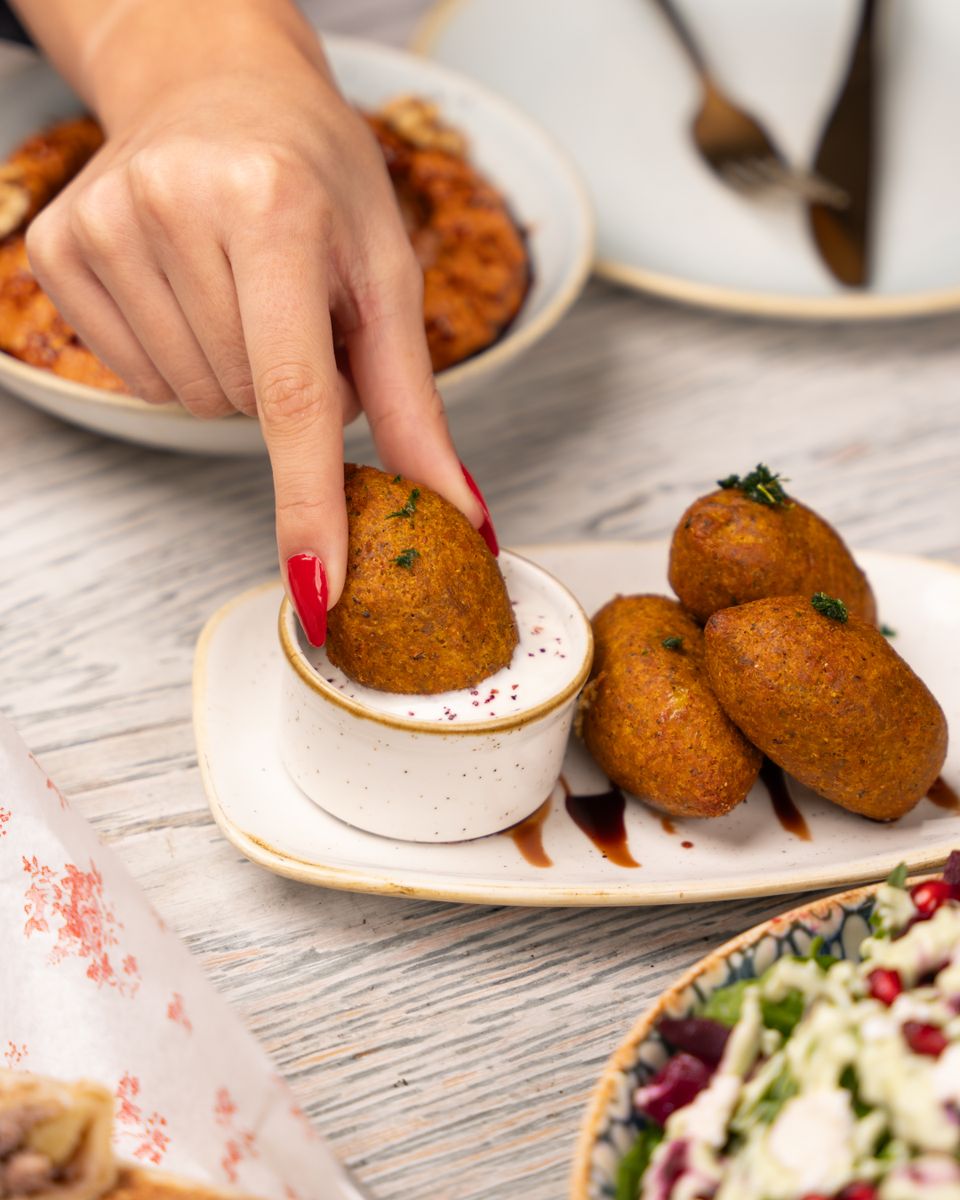
Falafel is a Middle Eastern dish traditionally made from ground chickpeas or fava beans, herbs, and spices, then fried. These baked chickpea versions keep the flavorful foundation while changing the cooking method. Parsley and cilantro bring freshness, garlic and onion add savory depth, and cumin supplies its characteristic warm flavor. Donofrio’s recipe also includes coriander, cayenne, and lemon zest, adding a little heat and brightness without needing meat to carry the meal.
For the Cookie and Kate and Love and Lemons recipes, reach for dried chickpeas rather than treating a can as an interchangeable shortcut. The chickpeas are soaked, drained, and ground without being boiled first; they cook after the mixture is shaped. Taylor puts her instruction plainly: “Use dried chickpeas, not canned.” Donofrio likewise warns that canned chickpeas will make her particular mixture too wet and mushy. The distinction matters because the ingredient ratios were developed for soaked, uncooked chickpeas.
That doesn’t mean every baked falafel recipe rules out cans. Good Food cookery writer Sophie Godwin publishes a different version that explicitly allows canned chickpeas or soaked dried ones. The useful takeaway is to follow a recipe designed for the chickpeas you have, rather than swap them into a formula that says they won’t work. For the dried-chickpea method described here, measure the chickpeas before soaking, then use the entire drained batch after they have expanded.
Soaking is the planning step you cannot skip. Taylor recommends at least four hours, preferably overnight, and her ingredient list allows up to 24 hours in the refrigerator. Donofrio’s recipe calls for a 24-hour soak, then draining, rinsing, and patting the chickpeas dry. Choose one complete method and follow its timing. This is not a dinner that starts with dry chickpeas at 6 p.m. and lands on the table a few minutes later, however tempting that promise might sound.
Let the Baking Sheet Do the Heavy Lifting
For a clearly defined batch, Taylor’s recipe starts with one cup of dried chickpeas, measured before soaking. It combines those with half a cup each of chopped red onion, packed parsley, and packed cilantro; four garlic cloves; one teaspoon of fine sea salt; half a teaspoon each of black pepper and cumin; and a quarter teaspoon of cinnamon. The olive oil totals a quarter cup plus one tablespoon. That mixture yields approximately 12 to 13 falafel patties.
Here is where the crispiness gets its helping hand: Taylor coats a large, rimmed baking sheet with the quarter cup of olive oil, reserving the remaining tablespoon for the chickpea mixture. “That way, you get a fried effect in the oven,” she explains on Cookie and Kate. It’s a practical distinction. You are eliminating the deep-frying setup, not eliminating oil from the dish, and the coated pan is an intentional part of her method rather than an optional finishing touch.
With the oven rack in the middle position, preheat to 375°F. Process the soaked, drained chickpeas with the remaining ingredients until fully combined, about 1 minute, per Taylor’s instructions. Scoop about two tablespoons for each patty and shape them about 2 inches wide and 1/2 inch thick. Arrange them on the oiled sheet, then bake for 25 to 30 minutes, carefully turning them halfway through, until both sides are deeply golden.
Donofrio uses a different approach: a parchment-lined baking sheet, a 400°F oven, and a generous drizzle of olive oil over the shaped patties. Her recipe calls for 14 minutes on the first side, then 10 to 12 minutes after flipping. She also cautions, “Don’t pack your patties too tightly,”because that can make them dense. Both recipes aim for a crisp exterior, but they differ in temperature, mixture, and oil application. Follow one from start to finish instead of combining whichever steps sound easiest.
Related: This Famous New York Bagel Shop Just Opened Its First Texas Location in Houston
Turn Those Golden Patties Into an Actual Dinner
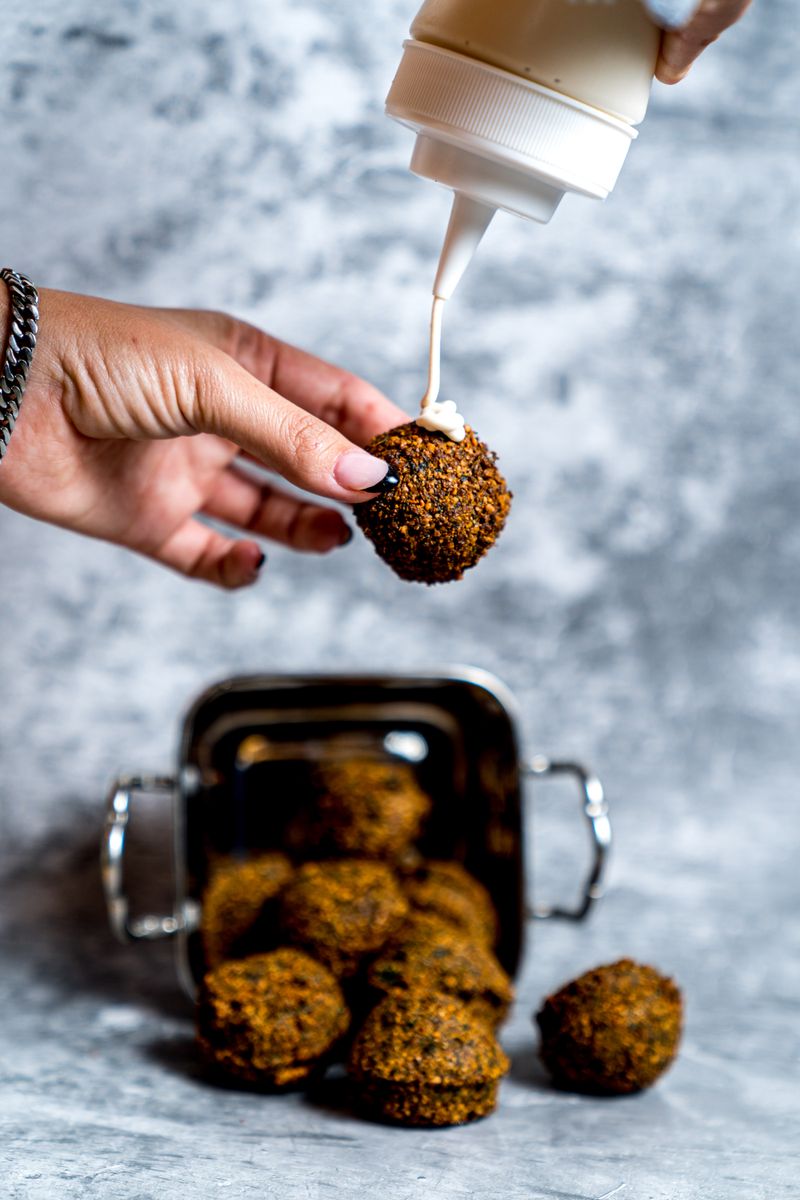
Once the falafel is baked, the fun shifts to assembly. A pita sandwich is an obvious place to start: spread hummus inside, add falafel, and tuck in chopped tomatoes, cucumber, lettuce, or pickled onions. Finish with tahini sauce and fresh herbs for a combination of crisp vegetables, creamy sauce, and warm chickpea patties. Donofrio suggests these fillings for her version, while Taylor also recommends falafel in pita sandwiches or as a salad topping.
If you would rather skip the sandwich, serve the patties in a grain bowl or alongside a salad and dips. Love and Lemons suggests serving them with tabbouleh, Greek salad, or spreads such as baba ganoush and muhammara. Taylor suggests greens, sliced tomatoes, cucumber, olives, and creamy sauces. The chickpea patties in her recipe are vegan; adding feta or a dairy-based sauce changes that, so choose the accompaniments to match the meal you want.
Leftovers also have a clear plan. Taylor says her cooked falafel keeps in the refrigerator for up to four days or in the freezer for several months. Donofrio recommends freezing extras and reheating frozen falafel in a 400°F oven for about 10 minutes, until crisp and heated through. That gives the soaking and shaping work a useful second act: another pita lunch, another salad topping, or another dinner bowl, without starting again from a bag of dried chickpeas.
Other Posts You Might Like:
- 6 Tiny Restaurant Touches That Are Quietly Winning Over Diners and Making Every Visit Feel Personal
- 7 Restaurant Chains Americans Love the Most