The refrigerator is one of those kitchen appliances we trust almost blindly. Bought too many groceries? Fridge. Want something to last longer? Fridge. Not sure where a food belongs? You guessed it, fridge.
But cold storage isn’t automatically better storage.
For some foods, refrigerator temperatures can interfere with ripening, flatten flavor, mess with texture, encourage moisture problems, or simply make the food less enjoyable. The trick isn’t to declare the refrigerator the enemy. It’s knowing when a food belongs in there and when it doesn’t.
Here are 12 foods you may want to rethink.
Tomatoes
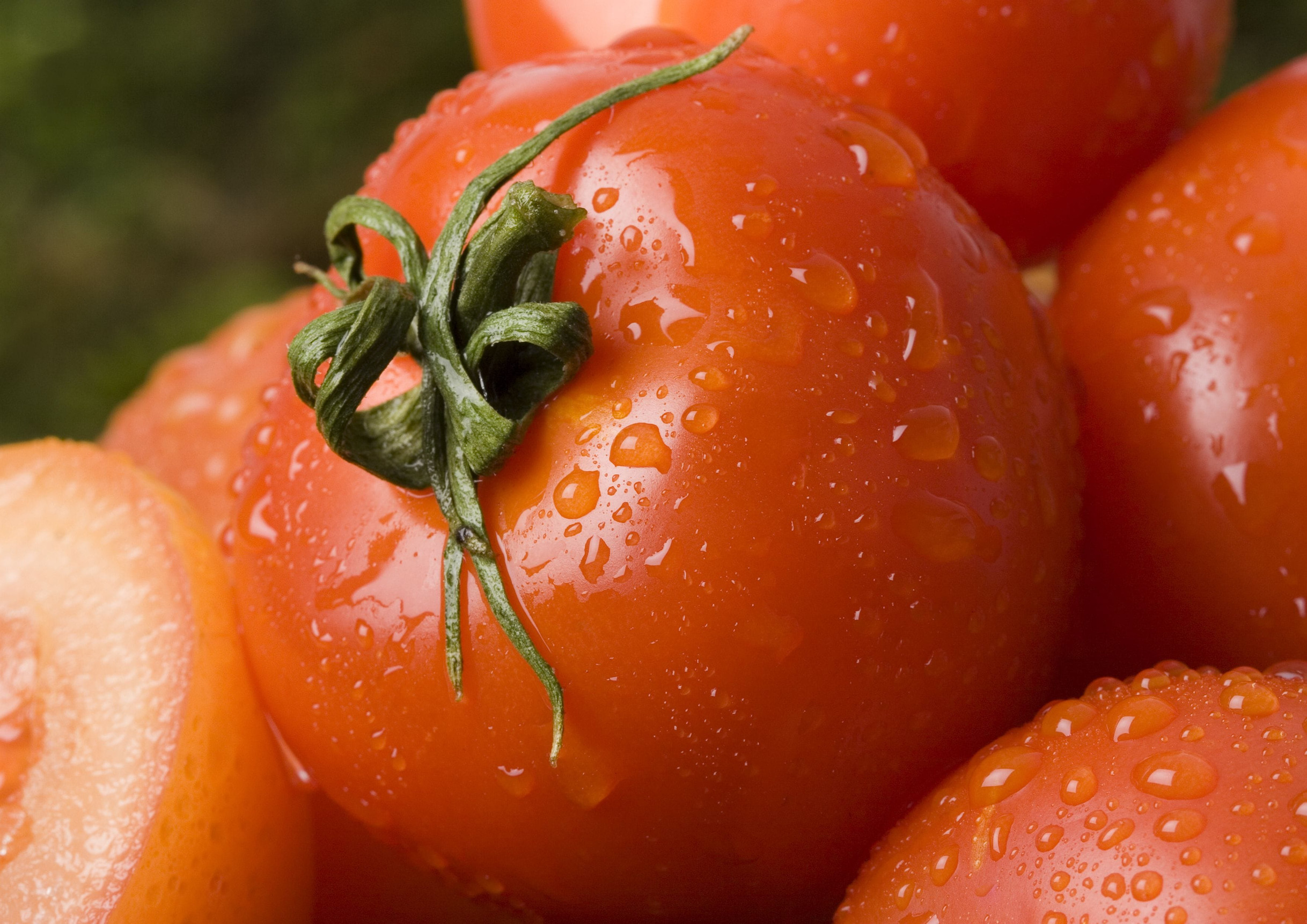
A cold tomato can look perfectly fine while tasting disappointingly bland.
Refrigeration can interfere with normal ripening and reduce the volatile aroma compounds responsible for much of a tomato’s flavor. In one USDA study, refrigerated tomatoes showed a substantial drop in measured aroma volatiles.
For the best flavor, keep unripe tomatoes on the counter in a shaded, well-ventilated spot. Ripe tomatoes can stay out if you’ll eat them soon.
However, don’t turn this into a “never refrigerate tomatoes” rule. If a fully ripe tomato is about to become tomato soup all by itself, refrigeration can buy you extra time. Let it warm toward room temperature before serving.
And once a tomato is cut? Into the fridge it goes.
Potatoes
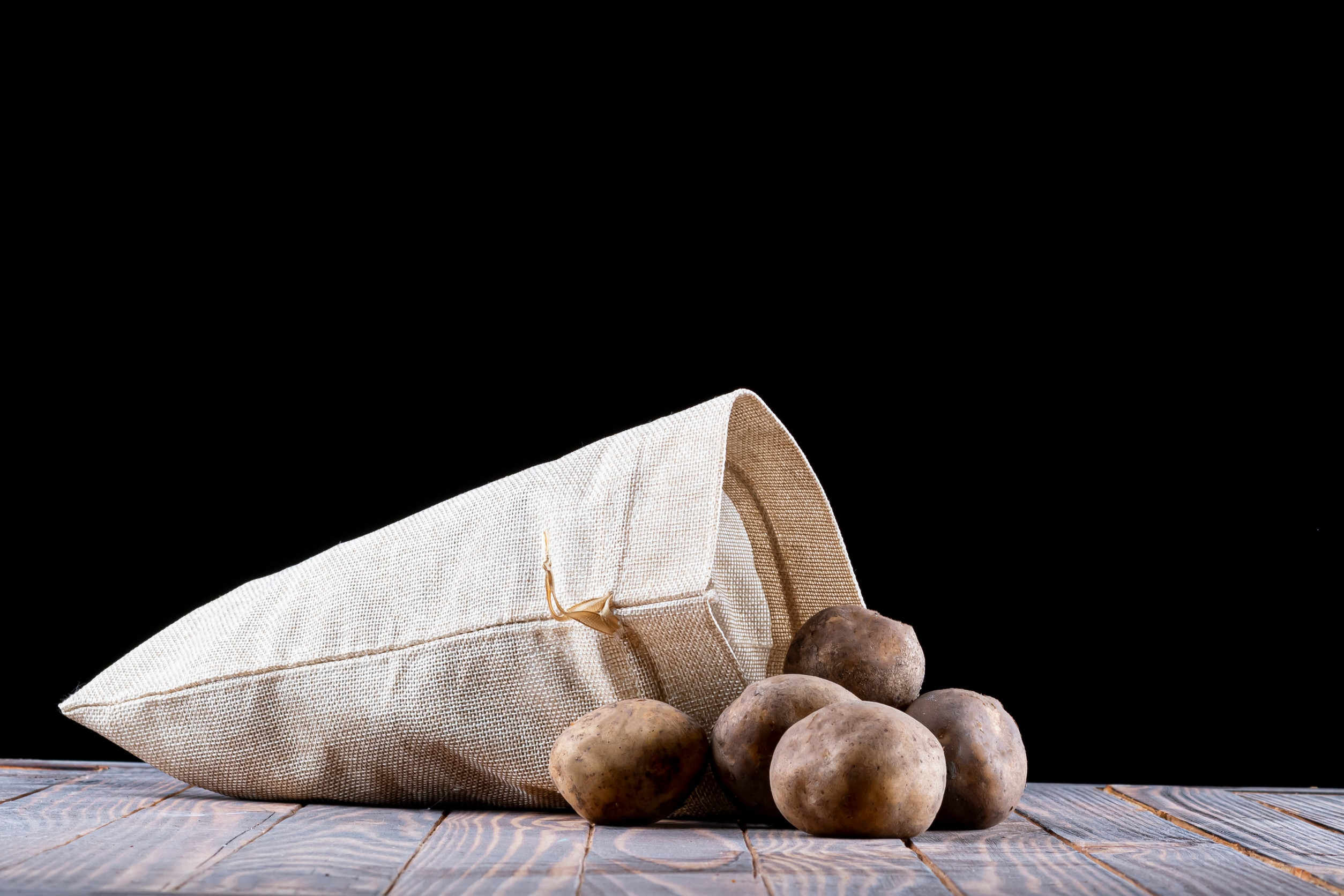
Your refrigerator may convince potatoes to “cash in” some of their starch as sugar.
Cold storage can cause cold-induced sweetening, where starch converts into reducing sugars. That can make potatoes taste sweeter and brown faster when fried, baked, or roasted.
A better home is a cool, dark, ventilated pantry, cellar, basket, or paper bag.
There is an important wrinkle: official guidance is not identical everywhere. Updated UK guidance allows household refrigeration as a waste reduction option, while Canadian and traditional North American advice remains more cautious.
So the practical takeaway is simple: if you have a cool, dark storage area, use it. And whatever you do, keep potatoes out of the light.
Dry Onions
Whole dry onions want something your refrigerator isn’t particularly good at providing: dry, airy conditions.
A fridge’s humidity can encourage onions to absorb moisture, soften, or develop mold. Instead, keep ordinary yellow, white, or red storage onions in a mesh bag, basket, or other breathable container in a cool, dark, dry place.
Do not seal them in plastic.
But this advice changes once you cut or peel the onion. Refrigerate sliced, chopped, peeled, and pre-cut onions in a sealed container.
Whole Garlic
Garlic bulbs also prefer a dry nap, not a humid plastic sleeping bag.
Whole cured garlic generally keeps best in a cool, dark, ventilated location. Refrigerator humidity can encourage sprouting or mold, depending on conditions.
A mesh bag, garlic keeper, or open basket works well.
Once garlic is peeled, chopped, commercially prepared, or mixed into oil, however, different storage and food safety rules apply. Homemade garlic-in-oil mixtures deserve particular care because improper storage can create a botulism risk.
Bread
Here’s the weird one: refrigeration can help bread avoid mold while simultaneously making it taste stale faster.
That happens because cold speeds up starch retrogradation. In plain English, the starch structure in the bread reorganizes, making the crumb firmer and less pleasant.
If you’ll eat the loaf soon, room temperature storage usually gives you better texture. If you need to keep it much longer, freeze it.
A great practical trick is to freeze individual slices and toast them directly from frozen.
The exception? Hot, humid conditions where mold develops very quickly or breads with perishable fillings.
Bananas
Green bananas and refrigerators are not friends.
Bananas are tropical fruits, and chilling them too early can disrupt normal ripening, darken the peel, reduce aroma development, and interfere with starch-to-sugar conversion.
Keep green and partly green bananas on the counter until they reach the ripeness you like.
Once fully ripe, though, refrigeration can slow further softening. Yes, the peel may turn dramatically black. No, that does not automatically mean the fruit inside is rotten.
Avocados
Put a rock-hard avocado in the fridge to slow down the exact process you’re waiting for.
Unripe avocados are better left at room temperature until they yield slightly to gentle pressure. Want to speed things up? Put one in a paper bag with an apple or banana. The bag concentrates naturally produced ethylene, the gas involved in ripening.
Once the avocado is ripe, the refrigerator becomes useful. Cold can give you a few extra days before it goes from “perfect” to “why is this brown inside?”
Peaches, Nectarines, and Plums
Stone fruit needs a chance to ripen before you chill it.
Premature or prolonged cold storage can contribute to unpleasant internal changes such as mealy texture, woolliness, browning, reduced juiciness, or leathery flesh.
Let firm peaches, nectarines, and plums ripen on the counter, preferably in a single layer. Once they smell fragrant and yield slightly, refrigerate them briefly to slow further ripening.
Honey
If your honey turns thick and grainy in the refrigerator, it probably hasn’t spoiled.
Cold simply speeds up crystallization. Honey contains so much dissolved sugar that glucose can eventually separate out and form crystals.
Store ordinary honey tightly sealed in a dry cupboard at room temperature. If it crystallizes, gently warming the jar in warm water can help liquefy it again.
Coffee Beans
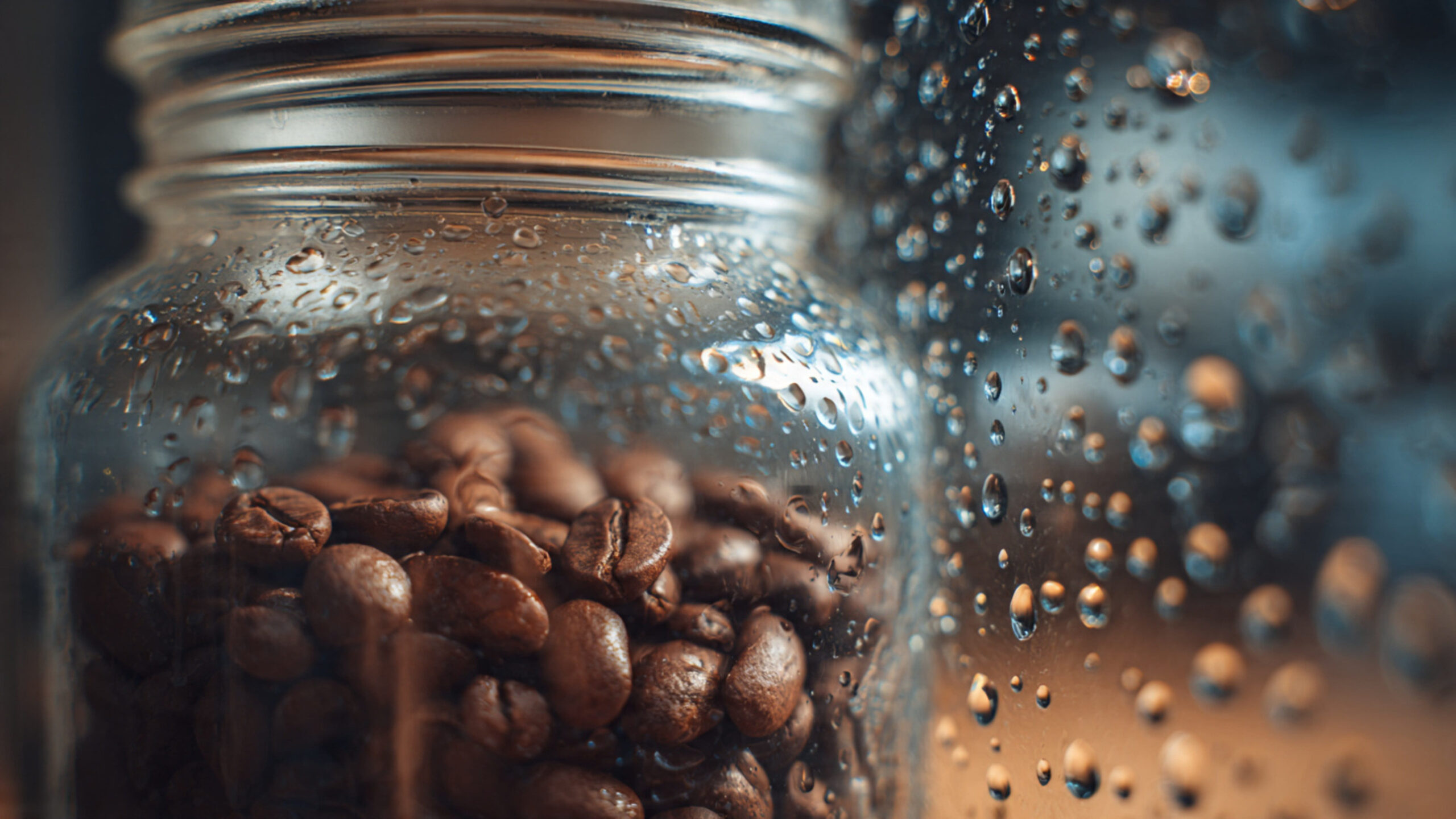
Coffee’s enemies include oxygen, heat, light, and moisture.
That last one is why the refrigerator can be troublesome. Coffee is hygroscopic, meaning it readily interacts with moisture. Repeatedly taking a cold container in and out of the fridge can encourage condensation, while poorly sealed beans may pick up refrigerator odors.
For coffee you use regularly, keep whole beans in an opaque, airtight container in a cool, dark cupboard.
For longer-term storage, you can freeze well-sealed portions instead of repeatedly chilling and warming them.
Chocolate
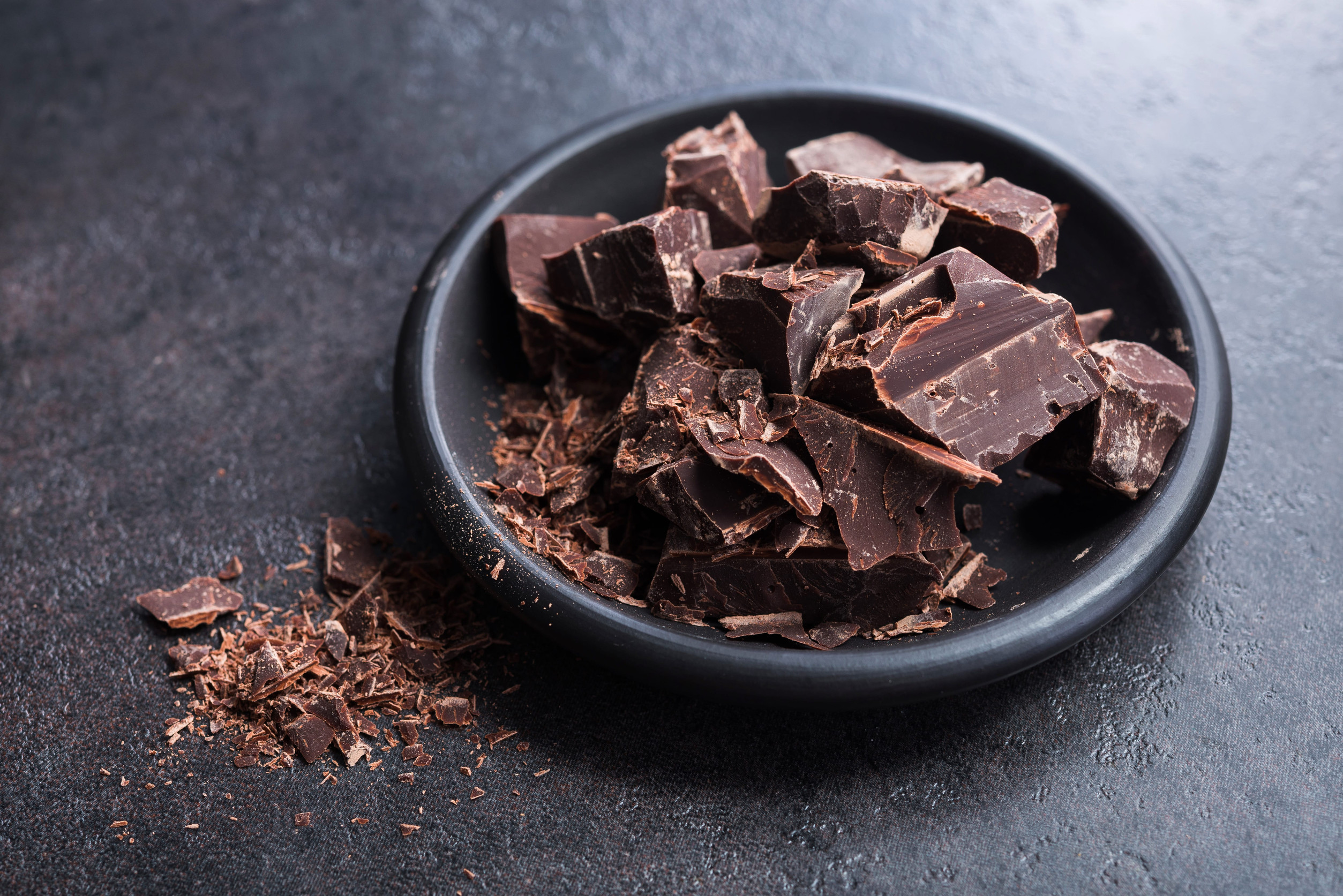
Chocolate doesn’t necessarily hate the refrigerator. It hates condensation and temperature swings.
When cold chocolate meets warm, humid air, moisture can collect on the surface, dissolve some sugar, and leave a pale, gritty coating after it evaporates. That’s called sugar bloom.
Plain chocolate usually prefers a cool, dry, dark cupboard.
But in a hot climate, refrigeration may be completely reasonable. Seal the chocolate tightly, and let the unopened container return to room temperature before exposing it to humid air.
Basil
Most herbs enjoy refrigeration. Basil is the dramatic exception.
Cold temperatures can cause blackened leaves, wilting, stem discoloration, tissue damage, and loss of aroma.
Treat basil more like flowers: trim the stems, place the bunch in a jar with a little water, keep it away from direct sun, and change the water regularly.
If your kitchen is extremely hot, refrigeration may still be the lesser evil, but use the warmest suitable part of the refrigerator.
The Rule That Matters Most
The real lesson isn’t “stop using your fridge.” It’s to stop treating every food the same.
Ripeness, whether the food is whole or cut, your kitchen temperature, humidity, and how quickly you plan to eat something all matter. Apples, ripe cantaloupe, most herbs, cut produce, and U.S. commercial eggs are examples where refrigeration is often beneficial or necessary.
And one rule should override nearly every clever countertop storage tip: cut or peeled fruits and vegetables should generally be refrigerated promptly, within two hours, or sooner in very hot conditions.
Your fridge is a brilliant tool. It just doesn’t need to be the automatic answer to every grocery storage question.
Other Posts You May Like
- You’re Probably Not Refrigerating These 10 Foods, and It Could Cost You Your Health
- 10 Things You Should Stop Storing in Your Kitchen Cabinets
If you like what you just read, then subscribe to our newsletter and follow us on social media.