Crispy Smashed Potatoes Are Becoming the Internet’s Go-To Alternative to French Fries
Boiled, flattened, and roasted at high heat, smashed potatoes have racked up millions of views online. Here’s the technique behind the crunch and where the trend came from.
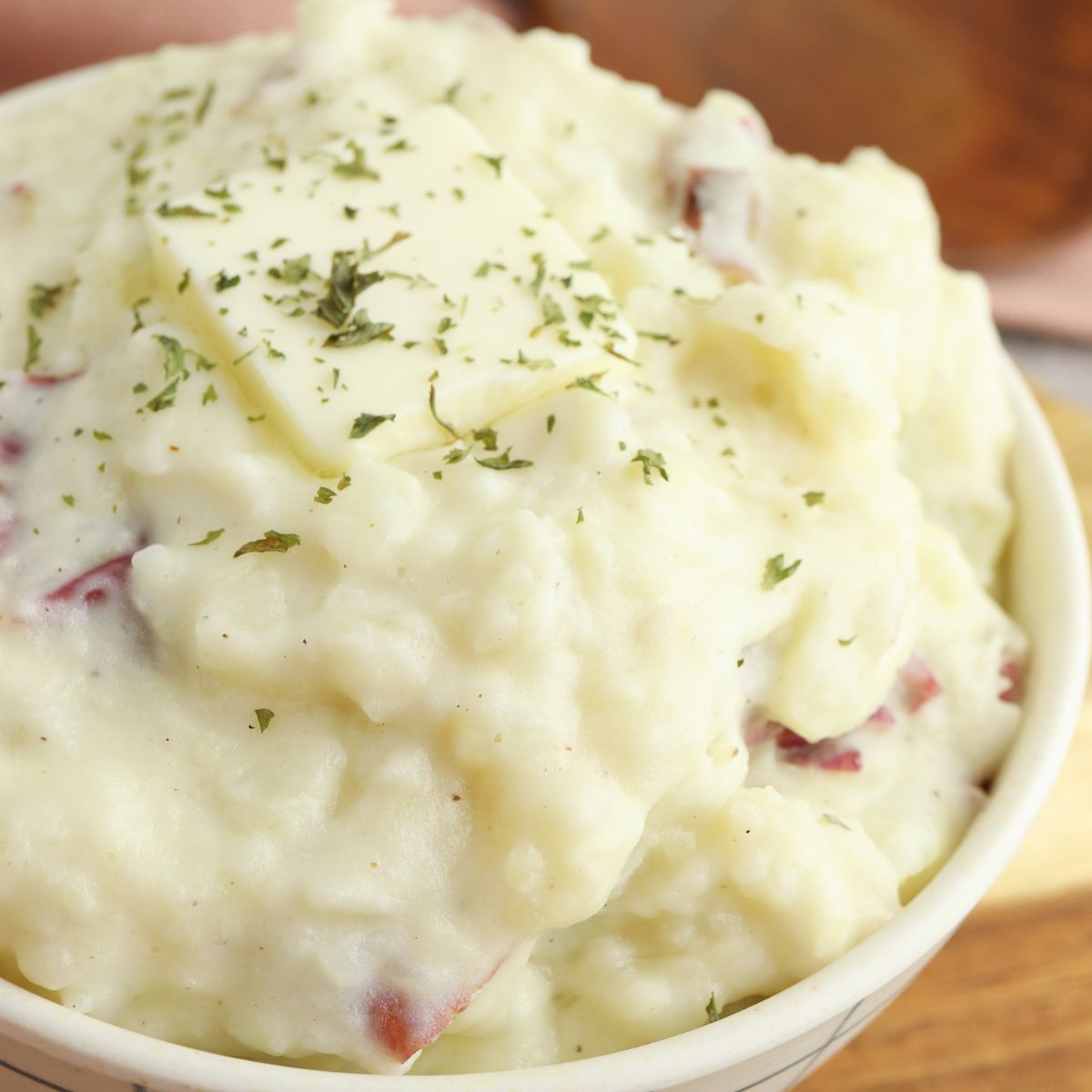
If you’ve spent any time on TikTok or Instagram over the past few years, you’ve probably scrolled past a video of someone pressing a boiled potato flat with the bottom of a glass. The result- a craggy, golden disc with a soft, creamy center and a shatteringly crisp exterior has become one of the most shared side-dish formats online, and for a growing number of home cooks, it’s edging out the deep-fried potato as the crunchy fix of choice.
How the Technique Actually Works
The method behind smashed potatoes is simple, but it takes a few deliberate steps to get right. Small, thin-skinned potatoes are boiled or simmered until fork-tender, then flattened on a baking sheet, usually with the bottom of a glass, a potato masher, or a second sheet pan before being roasted at high heat, typically somewhere between 425 and 500 degrees Fahrenheit, until the edges turn deep brown and crackly.
Food blogger and Serious Eats contributor Kalle Bergman, writing for Honest Cooking, describes the process as boiling small unpeeled potatoes, smashing them flat, letting them rest so the surface dries out, then roasting with fat until the edges go dark while the inside stays soft.
The Kitchn’s testing of a similar preparation, known as “crash hot potatoes” and credited to Australian food writer Jill Dupleix, found the same double-cooking logic at work: boil first, then smash and roast, so the potato gets crisp on the outside while staying pillowy within.
The reason the technique produces so much crunch comes down to surface area. Unlike a diced roast potato, which browns only where it touches the pan, a smashed potato is flattened into a rough, uneven disc full of ridges and thin spots, and every one of those jagged edges gets exposed to direct heat.
Recipe developers consistently recommend leaving the skins on, since the skin holds the potato together during smashing and contributes to the eventual crunch; peeling, several cooks note, tends to produce a less structurally sound and less crispy result. Small potatoes are preferred for the same reason their higher skin-to-flesh ratio helps them hold their shape under pressure and crisp more evenly than a cut wedge from a larger potato.
From Backyard Recipe to Viral Sensation
Smashed potatoes aren’t new; recipe archives show versions going back well over a decade, including entries from Food Network personalities and test kitchens. But the format found new life on social video platforms, where the visual payoff of pressing a potato flat and watching it turn golden and blistered in the oven translates unusually well to short-form video.
Food Network noted the format’s earlier surge in popularity by pointing to more than 35,000 posts tagged #smashedpotatoes on Instagram at the time, calling it “the spuds of the moment” among its own recipe developers. That momentum carried directly onto TikTok.
In a first-person account published in The Washington Post, a Post staffer described how a video of her preparing crispy smashed potatoes boiled, pressed, roasted with olive oil, salt and pepper, and served with a homemade dipping sauce instead of ketchup became her most-shared recipe on the platform, ultimately reaching 1.6 million views.
She wrote that she’d specifically avoided making French fries for the video, opting instead to show a potato preparation she considered more representative of how she actually cooks. That framing smashed potatoes as the from-scratch, oven-roasted answer to fries rather than a fried, restaurant-style side shows up again and again across recipe blogs and cooking accounts, many of which market the dish explicitly as a swap for takeout-style fries.
The other consistent element tying the online recipes together is the sauce. Garlic aioli, often built from mayonnaise, roasted or raw garlic, lemon juice, and fresh herbs, appears as the near-universal dipping partner across dozens of published recipes, from Little Potato Company’s herby aioli dip to independent food blogs pairing the potatoes with garlic-parmesan or pesto-based versions.
The pairing gives the dish a two-texture, two-flavor appeal, rich and garlicky against crisp and salty that mirrors the classic fry-and-dip combination diners already know, just built entirely in a home oven rather than a fryer.
Whether or not smashed potatoes fully “replace” French fries in the American diet, the format has clearly carved out a durable niche: it requires no deep fryer, uses ingredients most people already keep on hand, and delivers the kind of dramatic, crackling texture that performs well both on a dinner plate and on a phone screen.
Smashed potatoes have grown from a decade-old recipe blog staple into one of the internet’s most-shared side dishes by combining a simple boil-smash-roast technique with a visual crunch factor that translates directly into viral appeal.
SOURCES USED AND LINKED
- The Washington Post, “This crispy smashed potatoes recipe became a TikTok hit” — https://www.washingtonpost.com/food/2022/07/19/crispy-potatoes-tiktok-recipe/
- Honest Cooking, “How to Make the Crispiest Smashed Potatoes at Home” (Serious Eats contributor Kalle Bergman) — https://honestcooking.com/the-crispiest-smashed-potatoes/
- The Kitchn, “Crash Hot Potatoes Recipe (Fluffy and Crispy)” — https://www.thekitchn.com/crash-hot-potatoes-263057
- Food Network, “Perfect Smashed Potatoes” — https://www.foodnetwork.com/recipes/food-network-kitchen/perfect-smashed-potatoes-9343123
- Little Potato Company, “Smashed Potatoes with Herby Aioli Dip” — https://www.littlepotatoes.com/recipes/smashed-potatoes-with-garlic-aioli-recipe/