Hodo, Inc. has pulled more than 10,000 cases of its Lightly Fried Chili Crisp Tofu from shelves in 29 states after discovering that printing ink from the product’s packaging may have leached into the food.
The Oakland, California company filed the voluntary recall with the Food and Drug Administration on August 7, though the agency’s enforcement report only drew wider attention this week.
No illnesses have been linked to the affected tofu so far, and the hazard sits outside the usual recall playbook. This is not Salmonella. It is not Listeria. It is a packaging defect that turned a labeling problem into a chemical contamination case.
A single product, a specific barcode
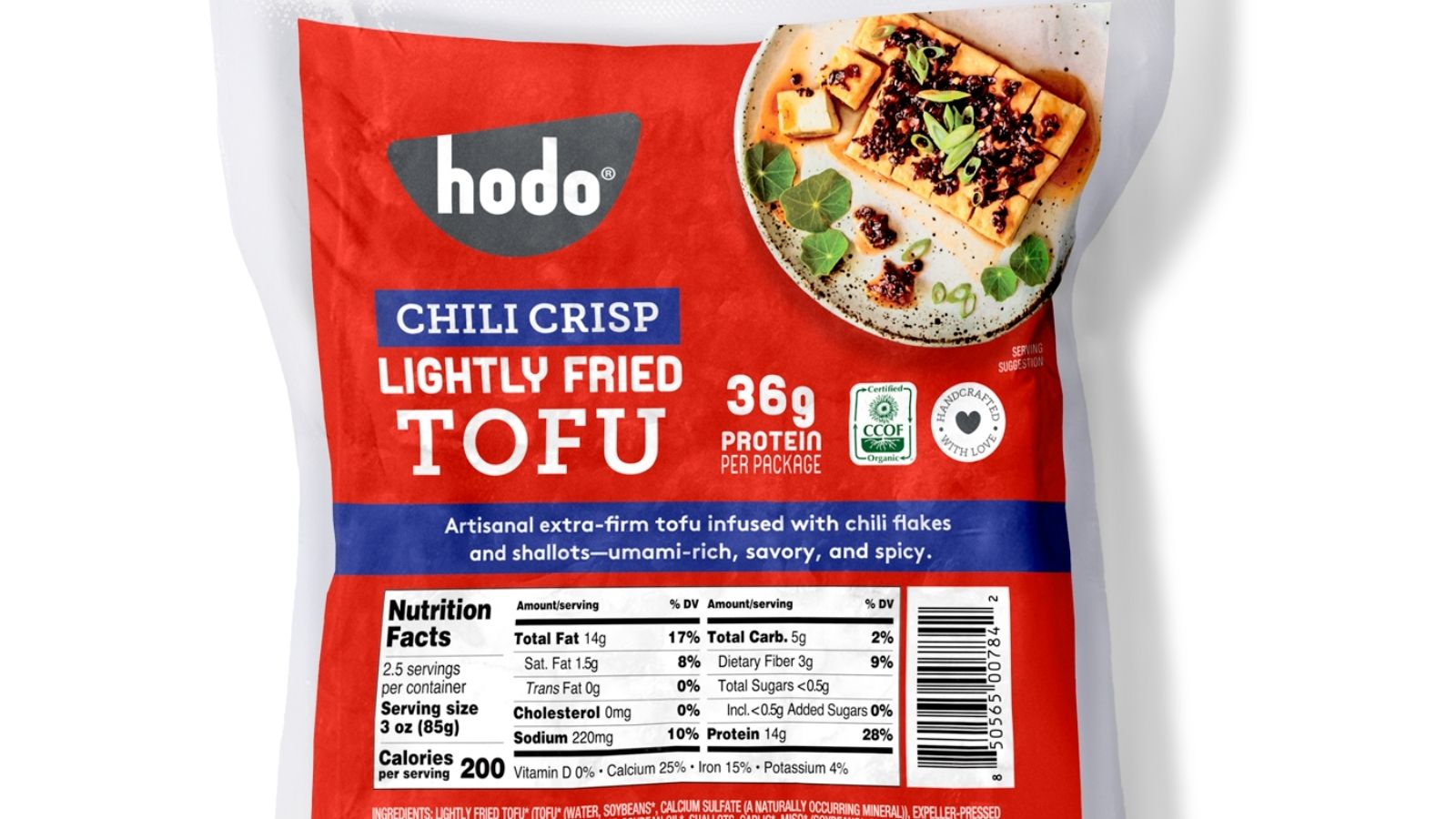
The recall covers exactly one item: Hodo Lightly Fried Chili Crisp Tofu, sold in 8-ounce packages under UPC 850565007842. According to the FDA filing, the affected inventory includes 10,084 six-pack cases and 486 thirty-pack cases, totaling roughly 75,250 individual packages moved through wholesale distributors, retail stores, and direct-to-consumer channels.
Only specific lot codes are affected by the recall, spanning production dates from mid-January through early July 2026. The FDA report lists 21 distinct lot codes with use-by dates ranging from May 15 through November 7, 2026. That range matters. Refrigerated tofu with a use-by date months out can sit forgotten in a home fridge long after the news cycle moves on, which is part of why officials are urging shoppers to check labels rather than rely on memory of what they bought.
How ink ends up inside a food product
Hodo’s account, published in its August 31 statement, traces the problem to scaling up a new product line, where staff first spotted discoloration in the tofu. Additional testing on tofu packaged in printed film produced similar results, prompting the company to broaden its investigation rather than treat the discoloration as isolated.
The working theory, still unconfirmed, points to chili oil and heat as accelerants. Hodo says it is evaluating whether the combination of hot oil and printed packaging film created conditions for ink to migrate from the exterior print layer into the food itself, rather than any error inside the kitchen or cooking process.
That distinction separates this recall from a contamination case involving bacteria or a foreign object baked into the product; the packaging, not the tofu-making process, is under scrutiny.
Where the product landed
The recalled tofu reached stores and distributors in Arizona, California, Colorado, Connecticut, Florida, Georgia, Illinois, Indiana, Kentucky, Louisiana, Massachusetts, Maryland, Michigan, Minnesota, Montana, North Carolina, New Hampshire, New Jersey, New York, Ohio, Oklahoma, Oregon, Pennsylvania, Rhode Island, South Carolina, Texas, Virginia, Washington, and Wisconsin, according to the FDA enforcement report.
Distribution ran from January 16 through July 16, 2026, a six-month window that outlasted the eventual recall by several weeks.
Neither Hodo nor the FDA has named the specific retail chains that carried the product, which puts the burden of identification on the shopper. Checking the UPC, lot code, and use-by date printed on the package remains the only reliable way to confirm whether a given container falls inside the recall.
An artisan tofu maker with an outsized following
Founded in 2004 by Minh Tsai, Hodo built its name on organic soybeans and small-batch production methods rather than mass output, and that reputation carried it well beyond the tofu aisle.
Its products turn up on menus at Michelin-starred restaurants including SingleThread in Healdsburg and Mister Jiu’s and the Progress in San Francisco, alongside a retail presence at chains like Whole Foods.
A company built on craft production now faces a packaging failure that has nothing to do with the soybeans themselves.
Where the FDA’s review currently stands
As of August 31, the FDA had not assigned a risk classification to the recall, the tier system the agency uses to signal how severe a given hazard is.
Hodo has not issued a traditional press release either, leaving the enforcement report as the fullest public account of what happened and why.
Neither the company nor the agency has published a specific list of symptoms tied to ink exposure through food, and no toxicology finding has been made public.
That lack of detail is instructive in itself. Ink migration is not something a shopper can reliably see, smell, or taste, unlike spoilage or an obvious packaging defect. The only dependable check is matching the printed identifiers against the recall list.
Part of a crowded stretch for food recalls
The Hodo recall lands during an unusually active summer for the category. A Cyclospora outbreak tied to salad greens has been running for weeks, though new illness reports tied to that outbreak have started to slow.
Separate salmonella outbreaks have also touched millions of eggs and a range of jalapeño-containing products, some traced back to items previously sold through Mexican-style chains.
None of those cases share a cause with the tofu recall, and lumping them together risks overstating what is, so far, a single-product packaging issue with zero confirmed illnesses. What they share is timing, and a reminder that checking an active recall list against a grocery haul has become a fairly ordinary late-summer habit.
What to do with tofu already in the fridge
Anyone holding Hodo Lightly Fried Chili Crisp Tofu should compare the UPC, lot code, and use-by date on the package against the FDA’s published list before eating it.
If it matches, the guidance is unambiguous: do not eat it, and either discard the package or return it to the store of purchase for a refund.
Hodo has set up a customer line for recall-related questions, and the FDA’s enforcement report remains the primary reference for anyone trying to confirm a specific lot number.