A host at a Michelin-starred restaurant filmed her own reservation screen during a shift. Kat Menter, who posts as Eating Out Austin, showed her TikTok audience something diners rarely see: a software-generated tag sitting beside a reservation. The tag flagged a guest’s drink-order habits, spending level, and past cancellations.
Fox News later reported that the tool was being tested within OpenTable’s professional dashboard. An OpenTable representative told CyberGuy reporter Kurt Knutsson that the feature is designed to give restaurant staff guest insights drawn from the platform, restaurant partners and point-of-sale data. The company said the information is limited to non-confidential data.
That single video pulled back a curtain most guests never notice. The person seated first, served fastest and remembered by name rarely got there by luck. Restaurants have spent years building software, sections, scripts and habits that sort diners long before anyone sits down. Here are 10 mechanisms that do that sorting.
Your reservation already carries a paper trail
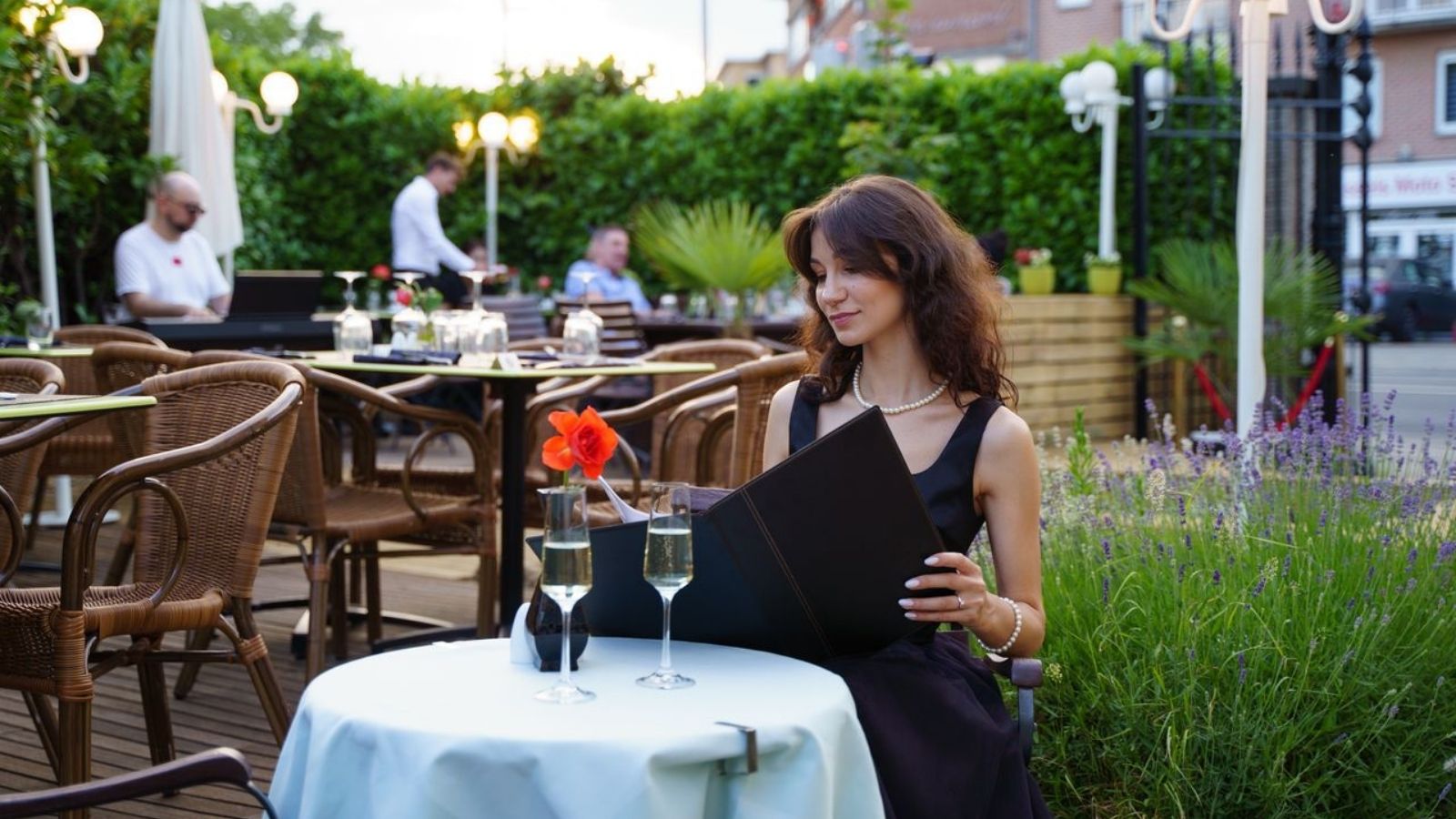
OpenTable builds a profile for every guest who books through the platform, logging visit history, dietary needs, special occasions and staff notes according to the company’s own guidance for restaurant partners.
Restaurants use that data to identify the chain’s highest-value diners. Staff can then be briefed before those guests arrive. Reservation platform SevenRooms follows a similar approach, offering detailed guest profiles that include VIP tags.
None of this depends on a host recognizing a face. It depends on a system that already told them who is walking through the door.
Some restaurants now let software guess at your habits
Beyond basic visit history, OpenTable has begun testing AI-assisted tags that surface patterns no human staffer would track by hand. This includes drink preferences, spending level, review habits and last-minute cancellations, according to Fox News.
The tags surfaced publicly only after Menter’s TikTok video spread beyond the restaurant industry. OpenTable told CyberGuy the insights are meant to help staff deliver more personalized hospitality, and that diners can review or opt out of the data sharing tied to their account. Whether most guests ever read that far into a privacy policy is a separate question entirely.
Regulars are worth more
Returning guests spend 67% more than first-time visitors once a restaurant starts tracking their preferences. That figure explains a great deal of host stand behavior on a busy night. A familiar face is not sentimental value to a manager; it is a measurable revenue gap, and staff trained around that number have a direct financial reason to seat regulars without delay.
Some booking platforms sell early access to loyalty
Resy, owned by American Express, lets restaurants create private booking links for VIP guests and regulars. These links can give selected diners access to reservations before they become visible to the general public.
A table can disappear from public view before most diners ever get a chance to click it. On the busiest nights of the year, that quiet head start is often the entire difference between getting seated and getting a waitlist text.
Seating runs closer to logistics than hospitality
Restaurant floor management is a shifting puzzle designed to fill the highest possible number of covers each night.
Even inside automated seating systems, a VIP with a stated preference or a reservation carrying special notes can be manually locked into a specific table, overriding whatever the algorithm would otherwise assign.
The efficiency goal and the favoritism live in the same tool, running at the same time.
Not every table earns the same money
Corner booths near the kitchen can generate 40% to 50% less revenue than window tables. In casual dining, bar-adjacent sections can also turn over three to four times per shift, compared with one or two turns in a formal dining room.
Hosts who understand which tables perform tend to steer their most reliable spenders toward them. An empty high-performing table costs a restaurant more per hour than an empty slow one, so it rarely stays empty for long once a trusted guest walks in.
Arriving late moves you down the list
Restaurants generally extend some flexibility to latecomers, but parties arriving more than 15 minutes past a reservation time should expect a longer wait once they do arrive. A table held for a specific time only stays held so long before a host reassigns it to someone already standing in the room. Punctuality functions less like manners and more like a claim on real estate.
Missing guests can cost you the table entirely
A party is often not seated until every member has arrived, since seating two guests out of a party of six creates a problem the moment the other four appear 45 minutes later.
Full attendance signals to a host that the reservation is real and ready to be served. Hosts consistently prioritize tables they can seat completely over ones still waiting on stragglers, even when the incomplete party arrived first.
No-shows made the entire system more cautious
No-shows cost the global restaurant industry an estimated 16 billion dollars annually. Losses at that scale push hosts and managers toward guests with a track record of actually showing up.
Unfamiliar names booking prime hours on the busiest nights face quieter scrutiny than most diners would ever guess, simply because the math no longer allows for guesswork.
Personal rapport still beats any algorithm
To secure VIP treatment, introduce yourself to a restaurant’s manager during a quiet moment, since managers hire and train hosts and make the final call on tight seating decisions.
Guests who build that kind of familiarity, dining on slower nights and thanking staff on the way out, tend to get folded into the same informal priority list that regulars occupy.
No loyalty program or app ever needs to be involved.