Michigan Democratic Senate nominee Abdul El-Sayed said Sunday, Aug. 9, that financing Medicare for All could require ordinary Americans to pay more in taxes. He defended the tradeoff as a replacement for private health insurance costs rather than an added expense.
The remarks came on NBC’s Meet the Press, five days after El-Sayed won Michigan’s Democratic primary. He is preparing to face Republican Mike Rogers in the Nov. 3 general election for the open seat being vacated by retiring Democratic Sen. Gary Peters.
El-Sayed defends tax tradeoff
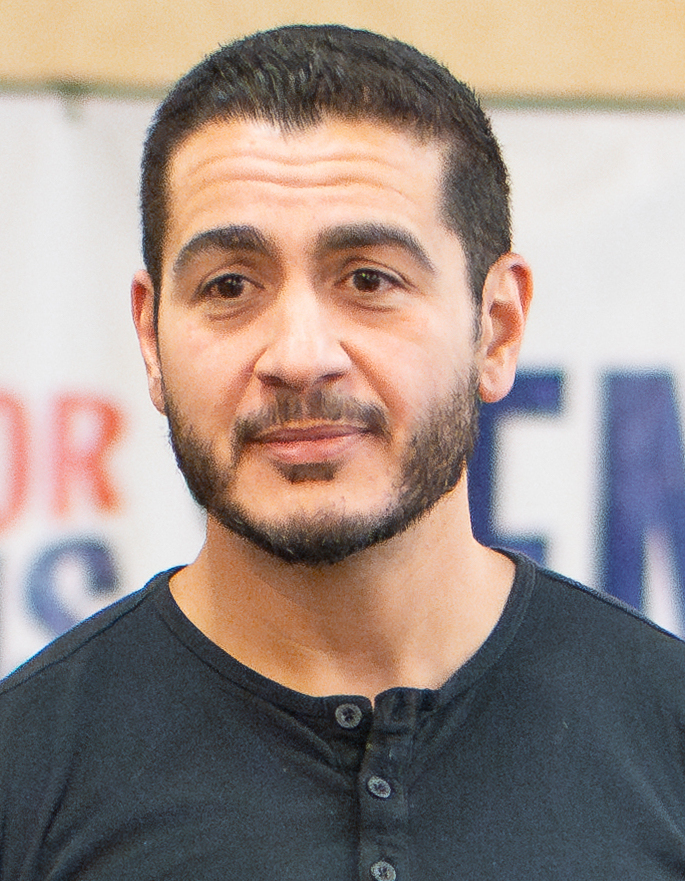
Moderator Kristen Welker asked whether El-Sayed’s version of Medicare for All could become universal without increasing taxes. El-Sayed first pointed to his support for taxing billionaires, then shifted to what workers already pay for employer health coverage.
He asked viewers to consider the insurance deductions that come out of many paychecks. Under his proposal, he said, workers could pay a little more in taxes and receive coverage that would not disappear after a job loss or a change in family circumstances.
Welker then asked whether people earning less than $1 million might also face higher taxes. El-Sayed did not provide a tax rate or income threshold. He said Americans would be “paying for healthcare in a different way.”
That distinction is central to his argument. El-Sayed is not presenting Medicare for All as health care with no cost. He argues that households would shift some money now paid to private insurers into a publicly financed system.
His comments give voters a clearer view of the economic choice behind the proposal. They also give Rogers a direct line of attack as the race moves beyond the Democratic primary.
Campaign promises broad coverage.
El-Sayed’s health care platform calls for Medicare to cover every American automatically. It would include necessary medical care as well as dental, vision and hearing services.
The proposal promises coverage without premiums or copays and with no deductibles. It also says additional private coverage through unions or employers would not have to be banned, although comprehensive Medicare coverage could make those plans less necessary.
El-Sayed has made health care one of the defining issues of his campaign. An epidemiologist and former public health official, he previously led Detroit’s health department and later held a senior health role in Wayne County.
His campaign presents Medicare for All as a way to separate health insurance from employment. That point featured heavily in his Sunday answer. He argued that coverage should remain after losing a job, aging off a parent’s plan, marrying or divorcing.
The financing question is less specific. A nationwide single-payer program would move a large share of health spending into the federal budget. The tax effect on any household would depend on legislation, including rates, exemptions, benefits and how employer health spending is treated.
El-Sayed has not released a detailed tax schedule showing what workers at different income levels would owe under his proposal. His Sunday comments clarified the broad tradeoff without answering how much a middle-income household might pay.
The proposal would also need congressional approval. A Senate candidate cannot create a national single-payer system alone, and any final bill could differ significantly from the campaign platform.
Rogers targets tax message.
Rogers has moved quickly to frame the issue around taxes and government spending. After El-Sayed’s interview, he argued that the Democrat’s economic message conflicts with a health plan that could require additional tax revenue.
That disagreement sets up a straightforward general-election fight. Rogers can argue Medicare for All expands government and exposes families to higher taxes. El-Sayed can answer that those taxes should be compared with premiums, deductibles, and copays households already pay.
The candidates enter the general election with sharply different political profiles. El-Sayed ran as a progressive and defeated Rep. Haley Stevens after a close Democratic primary. Rogers, a former congressman and former House Intelligence Committee chairman, ran unopposed for the Republican nomination.
Michigan’s Senate contest carries national stakes because both parties are competing for control of the chamber. The seat is open after Peters decided not to seek another term, removing an incumbent advantage for Democrats.
For El-Sayed, the challenge is turning a primary message popular with progressive voters into a statewide argument that can also reach independents and more moderate Democrats. Medicare for All will remain central because it touches household costs and the role of government.
For Rogers, the tax question offers a way to demand more specific numbers. Detailed financing would allow voters to compare possible tax payments with what they currently spend on health insurance.
No legislation implementing El-Sayed’s plan has been enacted. His Sunday comments were a defense of the policy he wants to pursue if elected, not an announcement of a new tax taking effect.
El-Sayed and Rogers will face off this November. The issue is likely to shape campaign messaging. Unless the campaign releases a more detailed financing plan, the dispute will center on whether voters view higher taxes as an added burden or as a substitute for costs already built into private health insurance.