Millions of Americans will receive an extra hour when daylight saving time ends on Sunday, Nov. 1, 2026. At exactly 2 a.m. local time, clocks will move backward by 1 hour to 1 a.m., giving most people a rare 25-hour day and an opportunity for additional sleep.
The adjustment will affect most of the United States, but it will not happen everywhere. Hawaii and most of Arizona remain on standard time throughout the year, while 5 U.S. territories, American Samoa, Guam, the Northern Mariana Islands, Puerto Rico and the U.S. Virgin Islands, also avoid the twice-yearly clock change.
When Americans should change their clocks
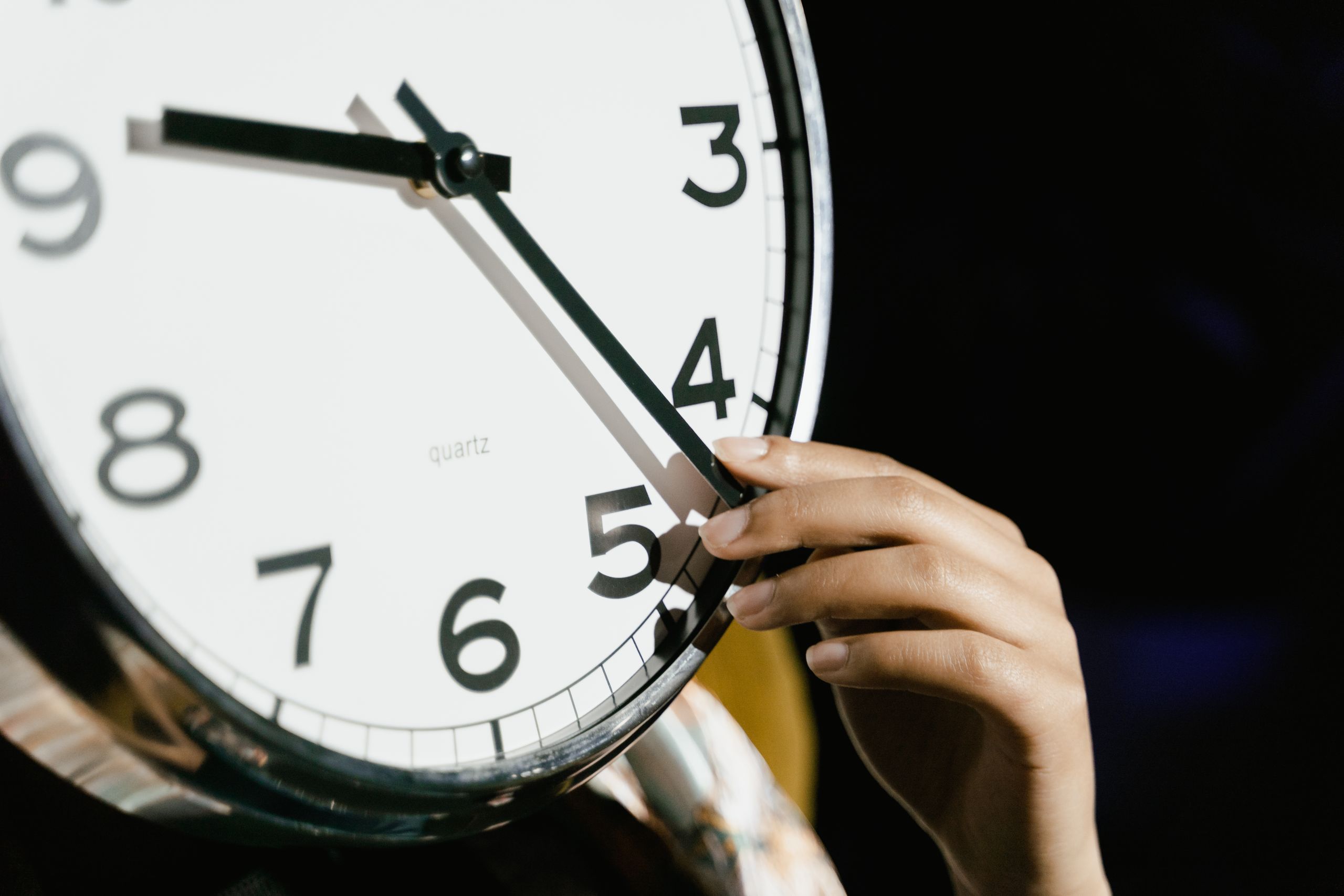
The official switch occurs at 2 a.m. on Nov. 1, according to the National Institute of Standards and Technology. Because most people will be asleep then, the simplest option is to turn traditional clocks back by 1 hour before going to bed Saturday night, Oct. 31.
Internet-connected phones, computers, tablets and smartwatches should update automatically, but at least 4 common household devices may require manual attention: wall clocks, microwave ovens, vehicle dashboards and appliance timers. NIST recommends keeping operating systems current because computers rely on software settings to convert official time signals into the correct local time.
The November adjustment reverses the change made on March 8, 2026, when clocks jumped forward from 2 a.m. to 3 a.m. After 238 days of daylight saving time, or roughly 65% of the year, the country will return to standard time until March 14, 2027.
The earlier sunset may feel like the biggest change.
Although the clock moves back by only 60 minutes, evening routines can feel dramatically different. A community where sunset occurs around 6 p.m. on Oct. 31 could see darkness arrive close to 5 p.m. the following day, depending on its location and local sunset time.
Morning light also shifts earlier by about 1 hour, offering more daylight to early commuters and students. The tradeoff arrives in the evening, when millions of workers may leave offices around 5 p.m. after sunset or during the final minutes of daylight.
The impact varies across the country’s 9 federally recognized time zones. Location within a zone matters too: Two cities using the same clock can experience noticeably different sunrise and sunset times because one sits hundreds of miles farther east or west.
Not every Arizona community stays on the same schedule.
Most of Arizona does not observe daylight saving time, but there is 1 major exception. The Navajo Nation follows the seasonal time change, meaning residents and travelers in that area will move their clocks back on Nov. 1 even though most of the surrounding state will not.
The Hopi Reservation, which the Navajo Nation geographically surrounds, does not observe daylight saving time. That creates an unusual situation where a relatively short drive can involve 2 separate time changes during part of the year, making careful scheduling important for visitors, businesses and medical appointments.
According to the U.S. Department of Transportation, states can choose to exempt themselves from daylight saving time. However, a state that observes it must follow the 2 federally mandated transition dates and cannot independently adopt permanent daylight saving time under existing federal law.
Why the United States still changes its clocks
Daylight saving time was formally introduced in the United States in 1918, making the national debate more than 100 years old. The Uniform Time Act of 1966 later established a more consistent system after years of conflicting local practices created confusion for travelers, broadcasters and interstate businesses.
The current calendar dates back to the Energy Policy Act of 2005, with the extended schedule taking effect in 2007. That law moved the spring transition from the first Sunday in April to the second Sunday in March and delayed the fall return by 1 week, from the final Sunday in October to the first Sunday in November.
Before standardized zones became widely accepted, American communities reportedly used scores of locally determined “sun times.” Railroads responded in 1883 by adopting a 4-zone system across the United States and Canada, helping replace a patchwork of roughly 100 local time standards that made schedules difficult to coordinate.
The clock change is also a practical safety reminder.
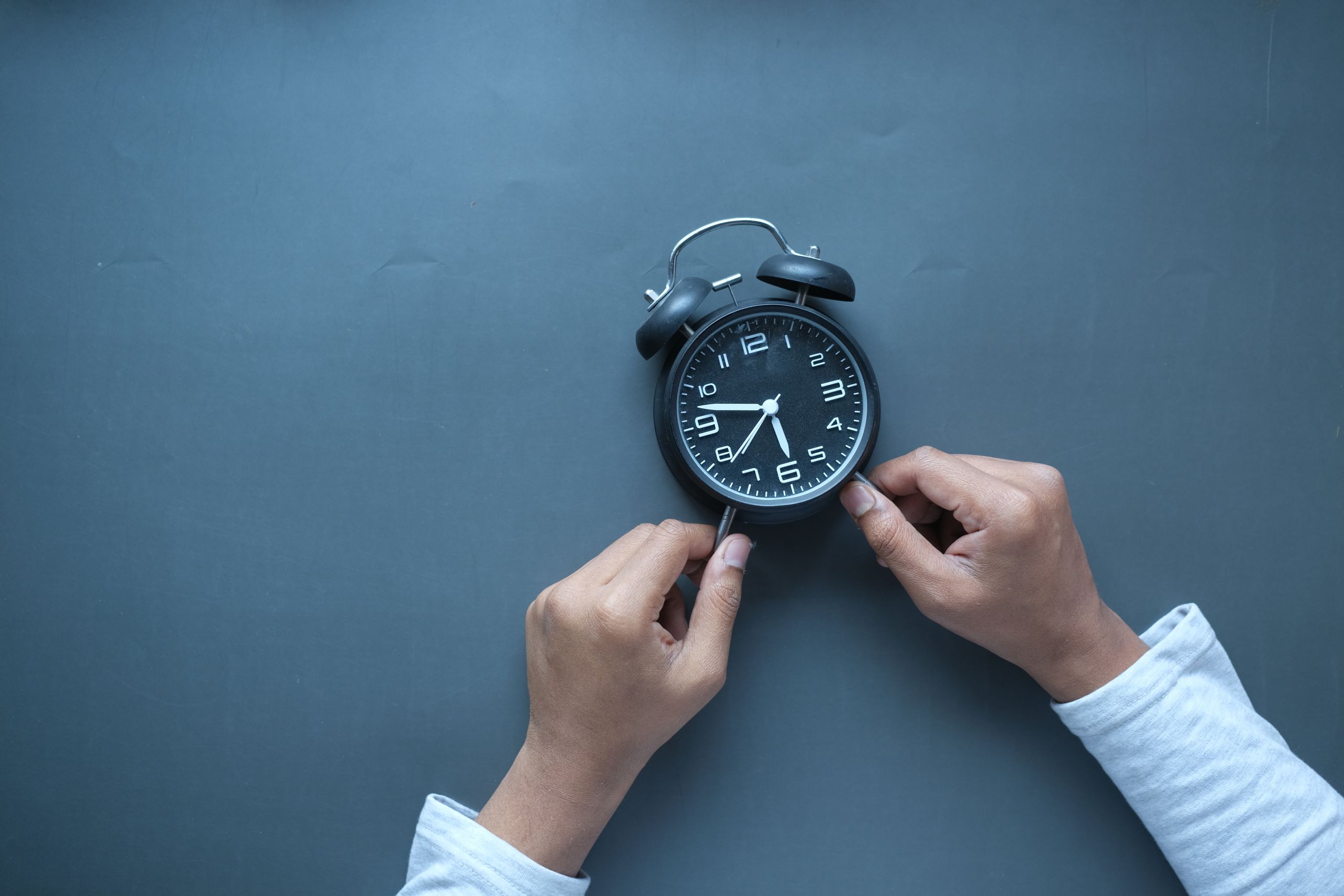
The November switch offers households a memorable, twice-a-year opportunity to inspect important safety equipment. Residents can test smoke alarms, check carbon monoxide detectors and replace batteries where necessary, turning a 1-hour clock adjustment into a broader home-safety check.
Drivers should also prepare for a sharp change in evening visibility. Someone who normally commutes at 5:30 p.m. may suddenly face darker roads, more glare from headlights and pedestrians who are harder to see, even though the person’s work schedule has not moved by a single minute.
Pet owners and parents may notice disruptions as well. A dog accustomed to eating at 6 p.m. may begin asking for dinner at 5 p.m. At the same time, young children can take several days to adjust because their internal clocks do not automatically recognize a government-mandated 60-minute shift.
The simplest way to prepare
Before going to sleep on Oct. 31, Americans should verify alarm settings, adjust manual clocks and confirm travel schedules. Anyone with a flight, train, shift or medical appointment within the first 12 hours after the transition should double-check the listed local time to avoid arriving 1 hour early or late.
The central message is simple: At 2 a.m. on Sunday, Nov. 1, clocks fall back to 1 a.m. Most Americans gain an hour, evenings become darker sooner, and standard time returns for a little more than 4 months before the next spring-forward change in March 2027.