Comedian and actor D.L. Hughley has sparked political conversation after praising New York City Mayor Zohran Mamdani, portraying him as a leader focused on helping struggling communities while criticizing what he described as the priorities of powerful elites. Hughley’s comments reflect a broader national debate over economic inequality, government responsibility, and what leadership should look like in modern America.
Hughley, known for his outspoken political commentary and social analysis, highlighted Mamdani’s focus on issues affecting working-class residents, including affordability, food access, and support for people facing financial hardship. The remarks have drawn attention because they touch on one of the biggest political divides in the country: whether government should play a larger role in addressing economic challenges.
Mamdani, who became New York City’s mayor in 2026, built his political identity around affordability issues and policies aimed at reducing the cost of living for ordinary New Yorkers. His administration has promoted initiatives such as expanding affordable childcare, improving public transportation, and creating city-backed grocery options to address food costs.
Hughley’s Message About Leadership and Compassion
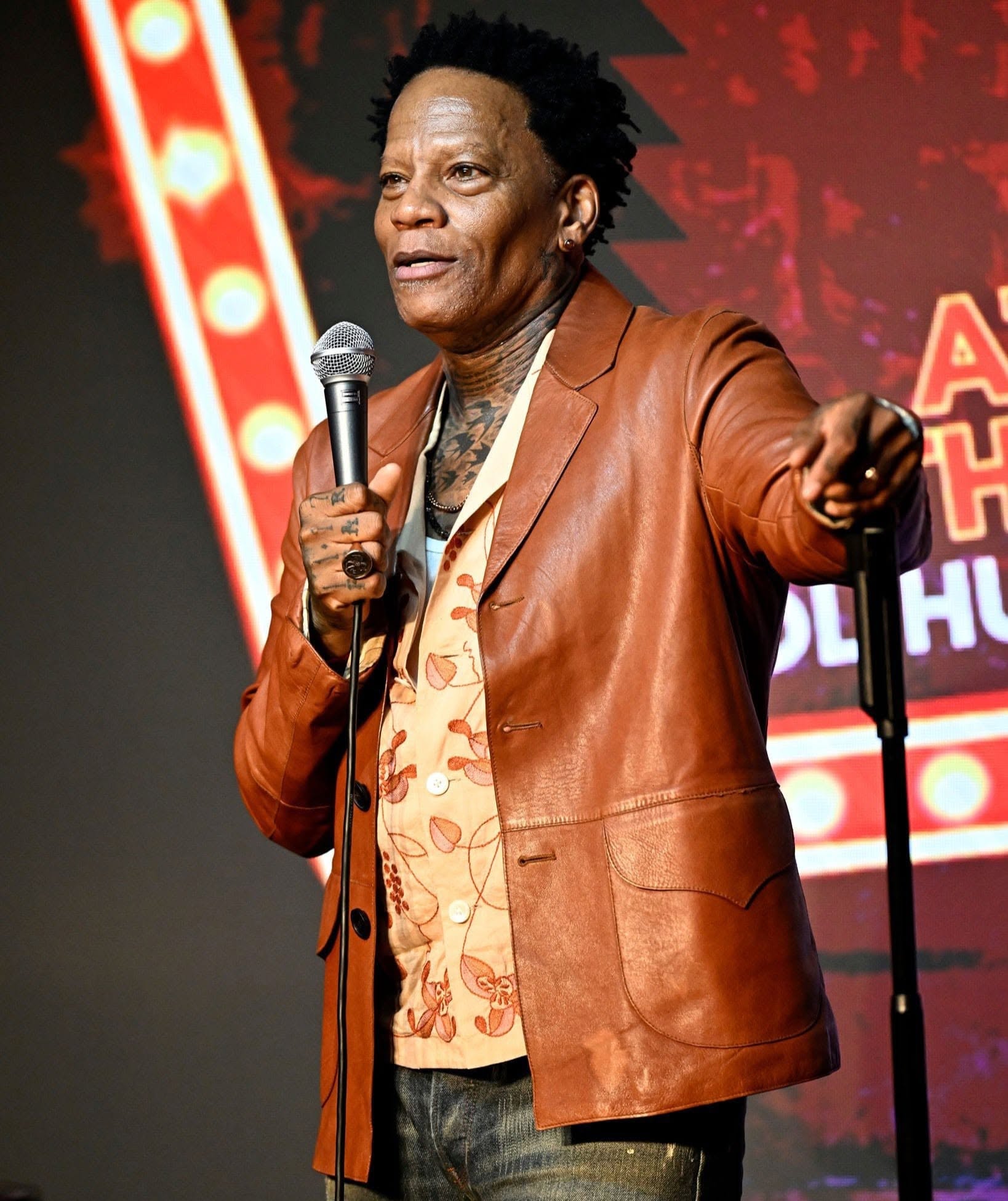
D.L. Hughley’s praise for Mamdani centers on the idea that political leadership should be judged by how it affects people who are struggling the most. The comedian has frequently used his platform to discuss economic inequality, racial issues, and the relationship between government decisions and everyday life.
In his comments, Hughley framed Mamdani as someone who represents people who often feel ignored by traditional political systems. He contrasted this approach with what he sees as the priorities of wealthy and powerful figures who, in his view, often focus more on protecting influence and financial interests.
The comments reflect a long-running debate in American politics about whether leaders should prioritize market-driven solutions or stronger government intervention. Supporters of Mamdani argue that rising housing costs, expensive groceries, and economic pressure require bold public action, while critics question whether government programs can deliver lasting results.
Mamdani has described himself as a democratic socialist and has focused much of his political message on making New York more affordable for working families. His supporters see that agenda as a response to economic pressures facing millions of residents.
Why Mamdani’s Economic Message Has Connected With Supporters
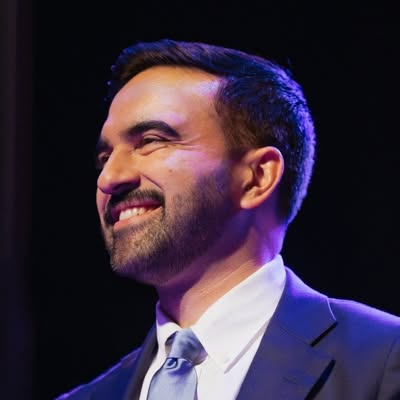
Mamdani’s rise has been driven largely by voters who believe traditional political approaches have failed to address the cost-of-living crisis. Housing affordability, food prices, childcare expenses, and transportation costs have become major concerns for many New Yorkers.
One of Mamdani’s most discussed proposals involves city-owned grocery stores designed to provide essential goods at lower prices. Supporters argue the plan could help residents in neighborhoods where affordable food options are limited. The initiative has also faced criticism from business owners and opponents who question whether government-run stores can operate effectively.
The mayor has also promoted expanded childcare and other social programs aimed at reducing financial pressure on families. His supporters argue that government investment in these areas can create long-term benefits by helping residents remain in the city and participate more fully in the economy.
For people who agree with Hughley’s perspective, Mamdani represents a different style of leadership, one focused less on protecting established institutions and more on addressing immediate challenges faced by working people.
Critics Challenge the Vision Behind Mamdani’s Policies
While Hughley and Mamdani’s supporters praise the mayor’s focus on economic inequality, critics argue that his policies could create new problems. Some opponents have questioned the financial cost of expanding government programs and whether ambitious proposals can be maintained over time.
Critics of city-run grocery stores, for example, argue that government competition could place pressure on small businesses already struggling with high operating costs. They also question whether such programs can achieve their goals without creating additional financial burdens for taxpayers.
Mamdani has also faced criticism over other policy decisions, including questions about budgeting and how his administration plans to balance major social programs with the city’s financial responsibilities.
The disagreement highlights a deeper ideological divide. Supporters believe government has a responsibility to directly improve people’s quality of life. Critics argue that economic growth, private investment, and responsible spending are more effective ways to create opportunity.
A Larger Debate About the Future of American Politics
Hughley’s praise of Mamdani is part of a much larger national conversation about what people expect from their leaders. Across the United States, voters continue to debate whether government should take a stronger role in areas such as housing, healthcare, food access, and wages.
For supporters, Mamdani represents a shift toward politics centered on everyday struggles rather than traditional power structures. They view his message as a response to communities that feel left behind by economic changes.
For opponents, his approach raises concerns about government expansion and whether progressive policies can deliver practical results. The debate surrounding Mamdani is not only about one mayor or one city. It reflects a broader question about the role of government in solving modern problems.
D.L. Hughley’s comments have added another voice to that discussion. Whether people agree with his assessment or not, his praise of Mamdani highlights the growing importance of economic inequality and affordability in American political conversations. As New York continues to test new approaches, the results of those policies may influence debates far beyond the city’s borders.