A Republican governor in a state that strongly supported Donald Trump is now at the center of a national immigration battle after defending Haitian migrants facing deportation. Ohio Gov. Mike DeWine’s criticism of ending Temporary Protected Status protections has triggered fierce online backlash while exposing a deeper debate over immigration enforcement, workforce needs, and humanitarian concerns.
The controversy began after DeWine argued that sending Haitian TPS holders back to Haiti would be dangerous because of the country’s ongoing instability. His comments quickly spread across political circles, drawing criticism from conservatives who believe temporary immigration protections should eventually end.
Supporters of DeWine say his position reflects the reality faced by communities such as Springfield, Ohio, where Haitian migrants have become part of the local workforce and economy. The debate has now expanded beyond one governor’s remarks and become a larger discussion about how America handles immigration policy during international crises.
Mike DeWine Challenges Trump Administration’s Haitian TPS Decision
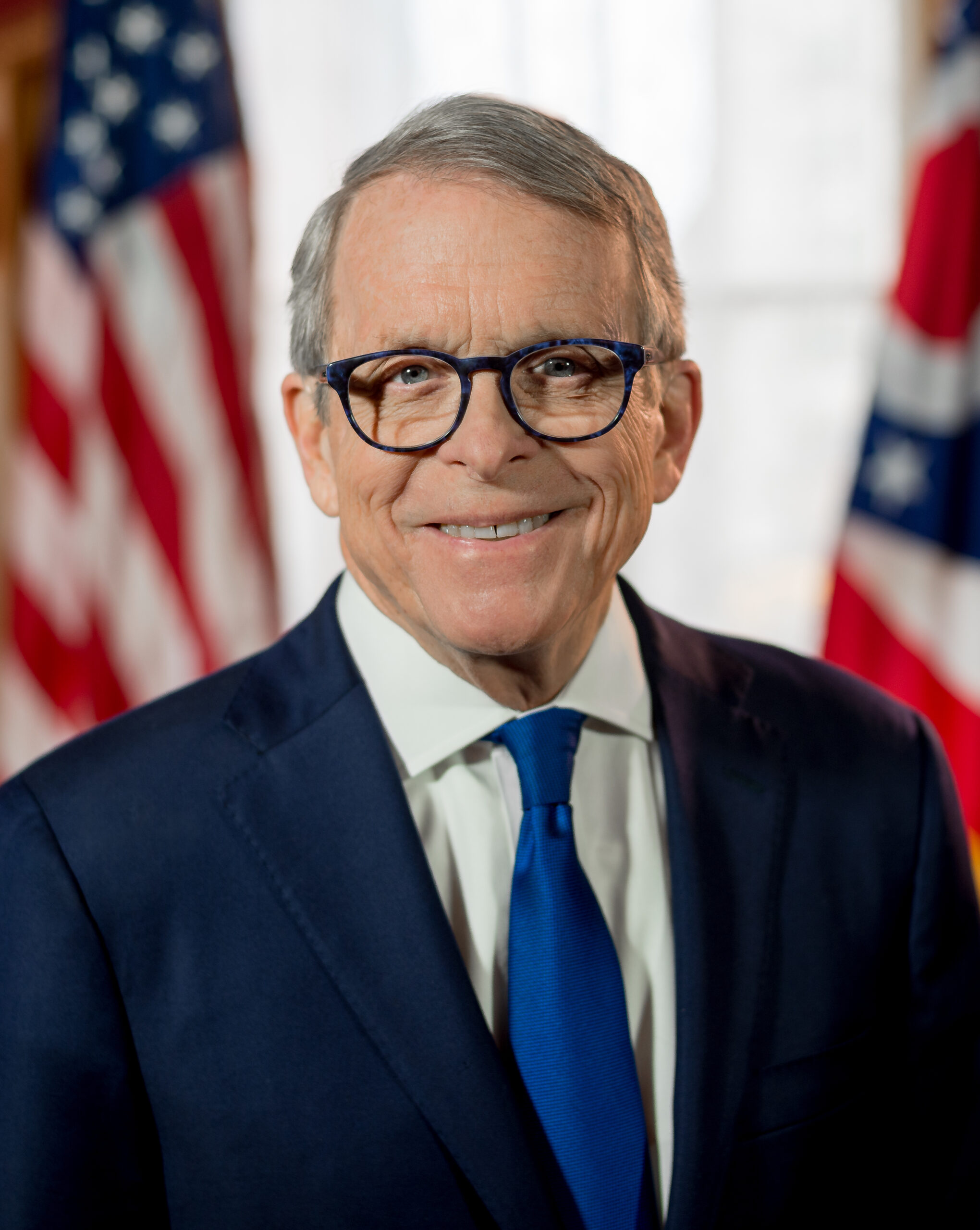
Vivien McClain Photography, CC BY-SA 4.0, via Wikimedia Commons
Gov. Mike DeWine entered the national immigration debate after speaking against the decision to end Temporary Protected Status protections for Haitian migrants. During a CBS interview, the Ohio governor warned that deporting Haitians back to their home country could place many people in dangerous conditions.
“Haiti is hell today. So you’d be sending people… back to hell,” DeWine said during the interview. He argued that many Haitian migrants living in the United States have become workers, neighbors, and important members of their communities.
DeWine specifically pointed to Springfield, Ohio, where Haitian migrants have become part of the city’s workforce. He said many arrived because employers needed workers and because job opportunities were available in the community.
“These are people who have helped Springfield really come back,” DeWine said. He added that Haitian residents came to work and fill positions that local employers struggled to fill.
The governor’s comments put him in an unusual political position: a Republican leader disagreeing with a major immigration decision supported by many conservatives. The controversy shows that immigration debates are becoming increasingly complex even within the same political party.
Why Haitian TPS Became a National Immigration Flashpoint
Temporary Protected Status was created through the Immigration Act of 1990 to provide temporary protection for people from countries facing serious emergencies. The program allows eligible migrants to remain in the United States when returning home could expose them to dangerous conditions.
TPS does not provide permanent residency or citizenship, but some protections have continued for years through repeated government extensions. This has created a major disagreement between supporters, who view extensions as necessary, and critics, who believe the program has moved beyond its original purpose.
Supporters of Haitian TPS argue that current conditions in Haiti require continued protection. They say removing thousands of people during a period of instability could create serious humanitarian consequences.
Critics argue that the United States must maintain clear immigration limits. They believe temporary programs should not become long term arrangements without approval from Congress.
The Haitian TPS debate represents a larger question facing American immigration policy. Leaders continue to debate whether decisions should follow strict legal timelines or consider changing conditions in countries facing prolonged crises.
Haiti’s Instability Drives Debate Over Possible Deportations
The disagreement over Haitian TPS is closely connected to Haiti’s ongoing challenges. The country has experienced years of political uncertainty, economic struggles, and security concerns that have raised questions about whether large scale returns are realistic.
Supporters of continued protection say Haiti remains unable to safely receive thousands of returning migrants. They argue that immigration decisions must consider the conditions people would face after leaving the United States.
Critics respond that humanitarian concerns cannot replace immigration enforcement. They argue that the United States cannot create an open ended system where temporary protections continue indefinitely.
The disagreement highlights one of the hardest challenges in immigration policy. Governments must balance legal rules with the reality of conditions outside their borders.
The Haitian situation has become an important example of how the United States responds when foreign crises affect immigration decisions. The outcome could influence future policies involving other countries facing similar challenges.
Springfield Shows How Immigration Decisions Affect Local Communities
The national debate over Haitian TPS is being felt most directly in communities like Springfield, Ohio. While federal officials make decisions about immigration status, local governments and businesses often experience the immediate impact.
DeWine has emphasized the economic role Haitian migrants have played in Springfield. He said many Haitian residents moved to the city because employers needed workers and because available jobs created opportunities.
The situation reflects a challenge faced by many American communities. Employers in several industries continue to search for workers, while immigration policies determine who can legally remain part of the workforce.
For businesses, immigration can affect hiring and economic growth. For communities, population changes can influence housing, schools, healthcare services, and local planning.
Springfield has become a symbol of the larger immigration debate. The city shows how decisions made in Washington can create major changes in communities far away from the national political spotlight.
Conservative Backlash Follows DeWine’s Comments
After DeWine’s interview gained attention, conservative commentators criticized his description of Haiti and his opposition to ending TPS protections. They argued that allowing Haitians to remain in the United States because conditions are difficult at home does not solve Haiti’s deeper problems.
Some critics questioned why Haitian migrants should continue receiving protection if TPS was designed to be temporary. They argued that immigration laws must be applied consistently and that temporary programs should have clear limits.
Supporters of DeWine’s position offered a different argument. They said many Haitian TPS holders have spent years building lives in America, working jobs, raising families, and contributing to local communities.
The disagreement reflects two competing views of immigration policy. One side prioritizes enforcement and legal limits, while the other emphasizes humanitarian concerns and community impact.
The online reaction also shows how immigration remains one of the most divisive issues in American politics. Even a statement from a Republican governor can quickly become part of a nationwide political debate.
The Republican Divide Over Immigration Policy
The Haitian TPS controversy has exposed a growing disagreement inside the Republican Party over immigration. Many conservatives support stricter enforcement, fewer temporary protections, and stronger deportation policies.
Other Republican leaders argue that immigration decisions should also consider economic needs and the effects on local communities. DeWine’s position represents a more community focused approach that emphasizes workforce needs and humanitarian concerns.
The disagreement shows that immigration debates are not always divided strictly along party lines. Political leaders within the same party can have very different views about how the United States should handle complex immigration challenges.
As more communities experience changes connected to immigration, similar debates are likely to continue. The Haitian TPS controversy may become part of a larger discussion about the future direction of American immigration policy.
What Happens Next for Haitian TPS Holders
The future of Haitian TPS holders remains uncertain as political and legal battles continue. The Trump administration and its supporters argue that ending TPS protections restores the original purpose of a temporary program.
DeWine and other critics of the decision argue that removing protections could create serious risks for migrants and communities that have come to depend on their contributions. They believe immigration decisions must consider both legal requirements and real world consequences.
The Haitian TPS debate could influence how future administrations handle temporary protections for other countries facing crises. The decision may shape the balance between immigration enforcement, humanitarian responsibility, and economic realities for years to come.
The controversy that began with one governor’s comments has now become a much larger national conversation. At its core, the debate asks how America should respond when immigration laws meet complicated human circumstances.