Michigan’s Democratic Senate primary has become much more than a contest between two candidates. The race between Abdul El Sayed and Rep. Haley Stevens has turned into a national test of whether the party’s future belongs to progressive challengers or experienced leaders with deep community connections.
Black voters are expected to play a decisive role in determining the outcome, once again placing one of the Democratic Party’s most important voting groups at the center of a major political decision. Their choice could shape not only Michigan’s Senate race but also the direction of Democratic politics heading into future elections.
Michigan Senate Primary Becomes a Fight Over the Democratic Party’s Future
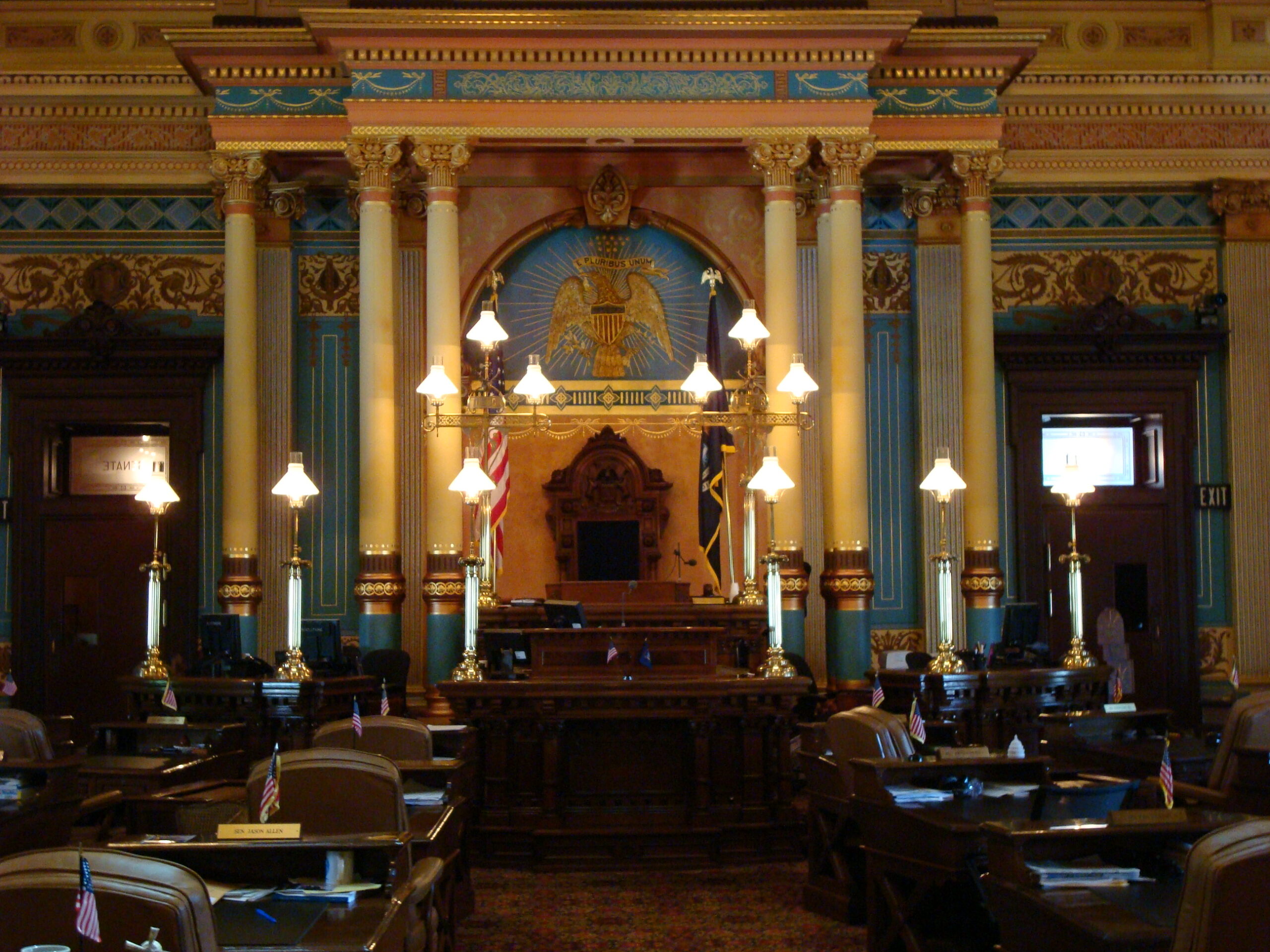
Steve & Christine from USA, CC BY 2.0, via Wikimedia Commons
The contest between Abdul El Sayed and Haley Stevens represents a larger debate taking place inside the Democratic Party. El Sayed has built his campaign around the idea that voters are ready for a new approach focused on major reforms and a challenge to traditional political power.
His supporters believe the party needs leaders who are willing to push harder on healthcare, economic inequality, and the influence of wealthy donors. They see his campaign as part of a broader movement demanding change from a political system they believe has failed many working families.
Stevens has presented a different vision built around experience, relationships, and a record of working through government institutions. Her supporters argue that effective leadership comes from understanding how to create results, build partnerships, and deliver for communities over time.
Black Voters Hold the Power to Shape Michigan’s Democratic Contest
Black voters have historically been one of the strongest forces in Michigan Democratic politics. Their support has often helped determine which candidates succeed in major elections, especially when the party faces important choices about its future direction.
The current Senate primary has placed those voters under the national spotlight once again. Many Black voters are carefully weighing whether they want a candidate promising significant political change or someone they believe has already demonstrated the ability to deliver results.
For many voters, the decision is not only about policy positions. Trust, personal relationships, and a candidate’s history of showing up in communities remain powerful factors in how people make their choices.
Abdul El Sayed Attempts to Expand Progressive Support Across Michigan
Abdul El Sayed entered the race hoping to prove that a progressive candidate can win support in a competitive statewide contest. His campaign has attracted national attention from progressive leaders who view Michigan as a critical opportunity for their movement.
El Sayed argues that many voters are frustrated with traditional politics and want leaders who will challenge powerful interests. His message focuses on expanding healthcare access, reducing economic inequality, and changing how political decisions are made.
However, building a statewide coalition requires more than strong support from progressive activists. El Sayed faces the challenge of convincing voters who value experience and established relationships that his approach can address their everyday concerns.
Haley Stevens Highlights Experience and Longstanding Community Ties
Haley Stevens has centered her campaign around her record in public service and her connections with Michigan communities. Her supporters point to her work in Congress and her involvement in efforts that helped Michigan recover from economic challenges.
For many voters, especially those connected to the state’s manufacturing history, her background carries significant weight. Michigan’s auto industry has shaped generations of families, and memories of economic struggles continue to influence how voters judge political leaders.
Stevens argues that leadership requires more than promises for change. She believes voters want someone who understands government, knows how to build support, and has experience turning ideas into action.
Michigan’s Auto Industry Legacy Still Influences Voter Decisions
The auto industry remains one of the most important parts of Michigan’s political identity. The rise and decline of manufacturing jobs have affected families across Detroit, Pontiac, and communities throughout southeastern Michigan.
Many older voters remember the economic uncertainty that followed the 2008 financial crisis. For those voters, political decisions are often connected to personal experiences involving jobs, wages, and community stability.
That history gives Stevens an advantage among some voters who value her connection to economic recovery efforts. It also highlights why Michigan elections are often shaped by practical concerns rather than party ideology alone.
El Sayed Faces Political Challenges Over His 2024 Primary Position
One of the biggest challenges facing El Sayed involves his support for the uncommitted movement during Michigan’s 2024 Democratic presidential primary. The movement allowed voters to express frustration over President Joe Biden’s approach to the Israel Gaza conflict.
The issue remains controversial among some Democratic leaders who believe the movement created divisions during an important election year. El Sayed has defended his position, arguing that voters should be able to challenge government policies and demand change.
His campaign has also pointed to his later support for Vice President Kamala Harris. However, some critics believe questions about his earlier position remain a significant obstacle as he seeks broader support.
Arab American Influence Adds Another Layer to Michigan’s Senate Race
Michigan’s large Arab American population has become an increasingly important part of the state’s political landscape. El Sayed’s background as the son of Egyptian immigrants has helped him connect with voters who want greater representation in American politics.
His campaign represents a major moment for Arab American political participation. It also highlights the challenges candidates face when personal identity, foreign policy, and local issues become connected during an election.
For many voters, representation matters, but it is only one part of the decision. Economic concerns, leadership style, and the ability to unite different communities remain central questions in the race.
Outside Spending Turns Michigan Senate Race Into a National Spotlight
The Michigan Senate primary has attracted major outside spending because both parties view the seat as important in the fight for control of the Senate. The financial attention surrounding the race shows how much influence the outcome could have beyond Michigan.
Supporters of Stevens argue that voters are responding to concerns about El Sayed’s positions and political record. El Sayed’s campaign argues that outside spending represents an attempt by powerful interests to prevent a candidate challenging the traditional political structure.
The spending battle has become part of a larger national conversation about money and influence in politics. It also reflects the high stakes surrounding a race that could shape Democratic strategy in future elections.
Michigan Race Could Preview the Democratic Battles Ahead
The outcome of the Michigan Senate primary could provide an early look at the future direction of the Democratic Party. A victory for El Sayed would represent a major breakthrough for progressive candidates seeking success beyond heavily Democratic districts.
A Stevens victory would strengthen the argument that experience, coalition building, and long term relationships remain essential for winning statewide elections. The result could influence how Democratic candidates approach future campaigns across the country.
Regardless of who wins, Michigan has revealed the difficult challenge facing Democrats. The party must find a way to unite voters who want major change with those who believe experience and stability are the path forward.