Most American workers cannot leave their jobs for more than a month, miss important decisions, and return whenever they feel ready without giving their employer some explanation. Rep. Alexandria Ocasio-Cortez says elected officials should not operate under a softer standard.
The New York Democrat has intensified pressure on Sen. Mitch McConnell following the Kentucky Republican’s prolonged absence from Capitol Hill. McConnell, 84, has remained away from Senate votes since he was hospitalized after a June 14 fall, leaving constituents and fellow lawmakers without a firm date for his return.
Speaking to reporters outside the Capitol on July 24, Ocasio-Cortez said McConnell’s limited public explanation had not answered the most important question: whether he remains capable of performing his duties for the rest of his term.
“If he can’t give us an update, he should resign, absolutely,” Ocasio-Cortez said.
AOC draws a line between privacy and public responsibility

Ocasio-Cortez acknowledged that McConnell has a legitimate right to keep sensitive medical details private. Her argument was not that the public deserves access to his complete medical records. Instead, she said voters deserve basic information about whether their senator can work, vote, and represent Kentucky.
“We do not have the right to disappear from our jobs,” she said, comparing congressional service with the expectations placed on ordinary employees. She added that most Americans could not simply walk away from work for more than a month without explaining their absence to the people who employ them.
That distinction sits at the heart of the controversy. McConnell does not need to disclose every diagnosis, treatment, or private conversation with his doctors. However, his office could provide a realistic timetable, describe what official duties he can currently perform and explain whether his condition may prevent him from completing his term.
Ocasio-Cortez had raised similar concerns days earlier. On July 17, she called lengthy, poorly explained congressional absences “not normal” and said she would support new rules governing lawmakers who remain away from Washington for extended periods. At that point, McConnell had missed at least 21 Senate votes since entering the hospital.
McConnell has spoken, but questions remain
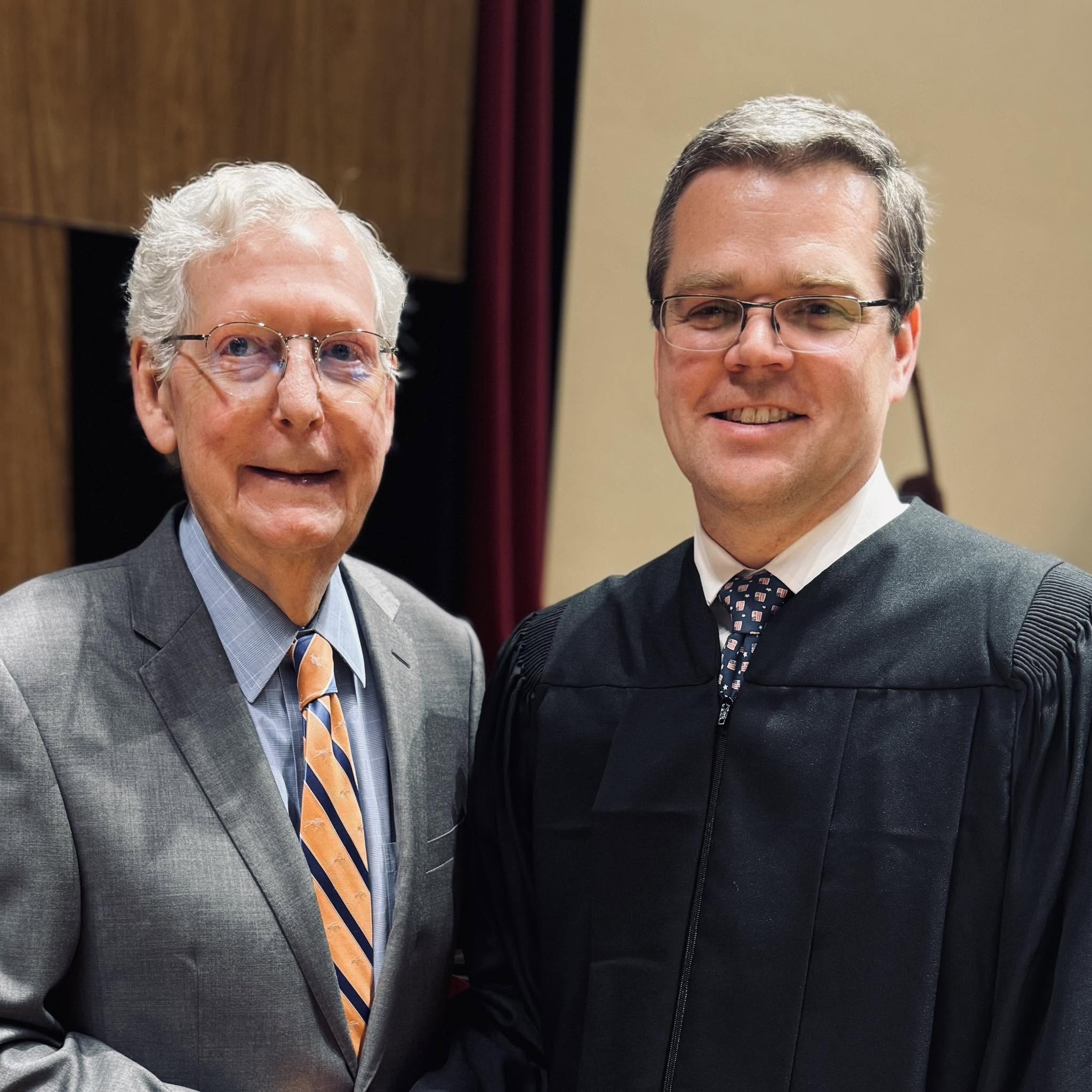
It would be inaccurate to say McConnell has provided no explanation at all. On July 12, nearly one month after his hospitalization, he released a written statement and a photograph with his wife, Elaine Chao.
McConnell said mobility problems connected to childhood polio contributed to his fall. He said the incident left him briefly unconscious but did not cause broken bones, a concussion, heart attack, stroke, tumor or hemorrhage. While hospitalized, he developed what he described as a mild case of pneumonia and received treatment before moving to a rehabilitation facility.
“As much as it frustrates me, this process takes time,” McConnell said. His doctors were focusing on physical therapy and reducing the risk of future falls. He also said he remained in contact with Senate colleagues and continued working with his legislative staff.
However, the statement did not identify his rehabilitation facility or provide a return date. McConnell said only that he could not return to the Senate floor “quite yet.” Reuters reported that his attending physician was not identified in the accompanying medical statement.
That uncertainty has kept the story alive. The question is no longer whether McConnell experienced a genuine medical emergency. His account makes clear that he did. The unresolved issue is how long Kentucky can be represented by a senator who cannot appear on the floor, with no public timetable for resuming votes.
Concern is spreading beyond Democratic critics
Ocasio-Cortez is not alone in asking for greater transparency. Republican Sen. Tommy Tuberville of Alabama publicly urged McConnell’s team to release a video update.
“Somebody needs to come out and put a little video out,” Tuberville said. He wished McConnell well but acknowledged that Republican senators had not received meaningful new information during a party luncheon.
Tuberville’s comments make it harder to dismiss the controversy as another predictable partisan attack. Republicans hold a narrow Senate majority, meaning an extended absence can affect nominations, legislation and procedural votes. Senate records have continued listing McConnell among members not voting during his time away.
McConnell’s absence also raises a broader question Congress has avoided for years. Lawmakers can suffer serious illnesses like anyone else, and recovery cannot always follow a political calendar. Yet representatives and senators occupy public offices that belong to voters, not personal positions that can remain inactive indefinitely.
Ocasio-Cortez’s delivery was sharp, but the issue underneath it is straightforward. Medical privacy should protect the details of a person’s condition. It should not prevent the public from knowing whether an elected official can still perform the job.
Until McConnell returns, offers a clearer timeline, or decides he cannot continue serving, the questions are unlikely to disappear with him.