Zohran Mamdani entered office with a promise that quickly attracted national attention. He said New York City would act if Israeli Prime Minister Benjamin Netanyahu arrived in the city. After reviewing the law, however, Mamdani’s administration reached a different conclusion and acknowledged that the city does not have the independent authority to enforce an International Criminal Court arrest warrant.
The decision has sparked a wider debate about the limits of mayoral power, the role of local governments in international disputes, and the complicated relationship between global justice efforts and American law. Mamdani continues to argue that Netanyahu should face legal proceedings connected to the ICC case. At the same time, he recognizes that enforcing such action is beyond the power of City Hall.
The controversy reveals a challenge that many elected officials face when moving from campaigning to governing. Political promises can inspire voters and create strong expectations. However, government leaders must ultimately operate within the authority granted to their office.
New York City’s Global Influence Brings International Issues to City Hall
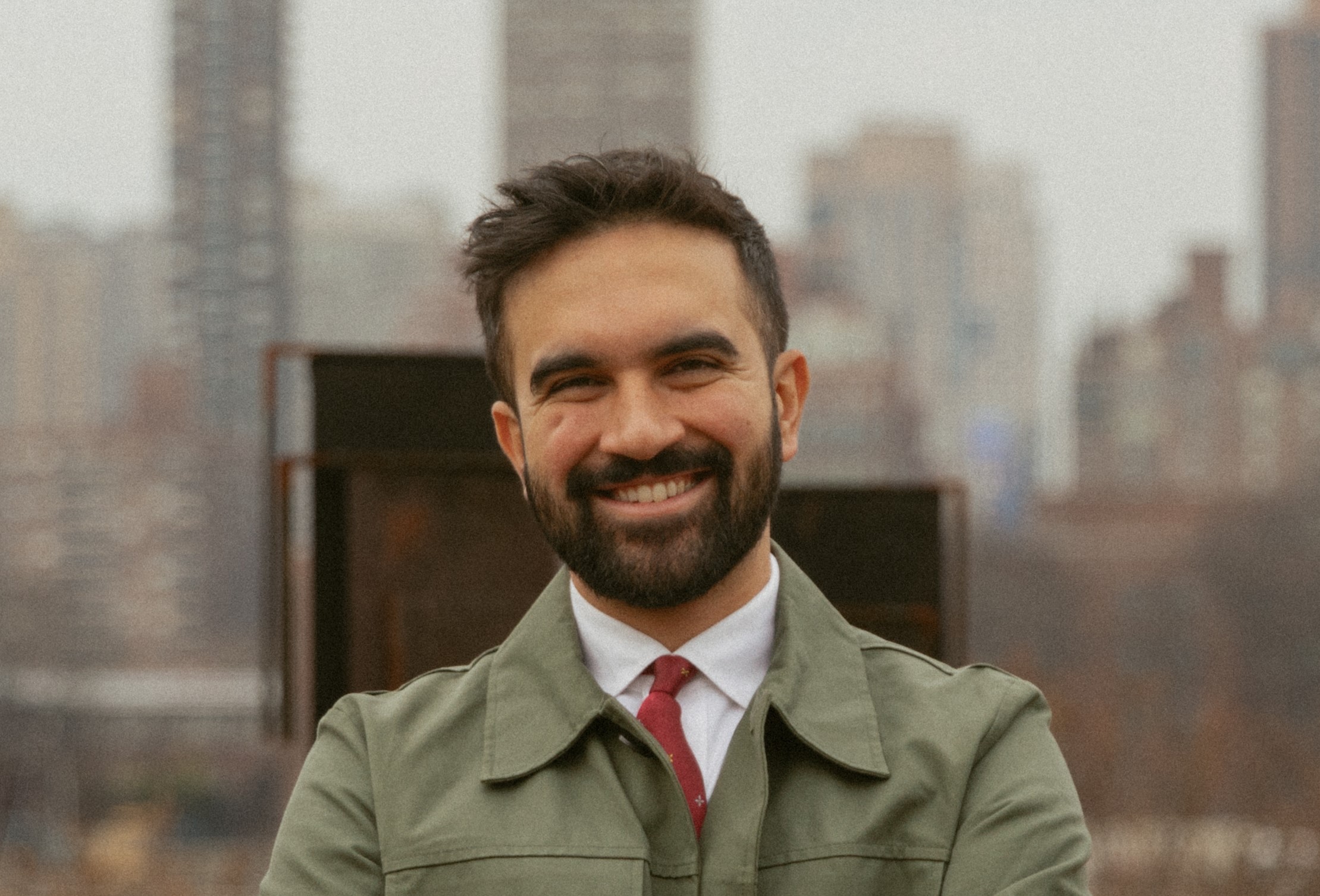
Karamccurdy via Wikimedia Commons licensed under , CC BY-SA 4.0
New York City has long been one of the world’s most connected cities because it hosts the United Nations headquarters. Every year, global leaders gather in the city for major diplomatic events, including the United Nations General Assembly. These meetings often bring international conflicts and political disputes directly into public view.
Despite its global influence, New York City does not control American foreign policy. Decisions involving international relations, diplomacy, and foreign governments are handled mainly by federal authorities. City leaders can speak about global issues, but their ability to take official action is limited.
Mamdani’s situation highlights the unusual position of leading a city that often becomes the center of worldwide attention. Local officials may face pressure to respond to international events. Yet their legal authority remains restricted when dealing with foreign leaders and international courts.
Why New York City Cannot Automatically Enforce an ICC Arrest Warrant
The International Criminal Court operates under a legal framework separate from the United States court system. The ICC was created to address serious international crimes, including allegations involving war crimes, crimes against humanity, and genocide. Its decisions rely on cooperation from countries that recognize its authority.
An ICC arrest warrant does not automatically become an American arrest order. Local police departments cannot enforce international court decisions unless there is proper legal authority under domestic law. This difference became the main issue examined by Mamdani’s administration.
The mayor said his legal team reviewed possible options before determining that New York City lacked the power to carry out the warrant. Mamdani argued that the federal government has a larger role in addressing international legal matters. His statement shifted attention toward the responsibilities of Washington rather than City Hall.
Mamdani Keeps His Political Position Despite Legal Restrictions
Although Mamdani accepted the legal limits of his office, he did not change his broader political view. He continued to argue that Netanyahu should face proceedings related to allegations raised by the International Criminal Court. He also stated that Netanyahu would not be welcome in New York City.
The mayor’s comments have created disagreement among political groups. Supporters believe elected officials should use their platforms to demand accountability for serious allegations. Critics argue that local governments should avoid involvement in foreign policy matters controlled by federal authorities.
The situation highlights the difference between making a political statement and having the legal ability to act. A mayor can influence public discussion and express a position. However, enforcement decisions involving international matters often require federal authority.
Netanyahu’s Office Rejects ICC Claims
Netanyahu’s office has strongly rejected the ICC proceedings and questioned the court’s authority. Israeli officials have argued that the ICC does not have proper jurisdiction over Israeli leaders. They have also defended Israel’s military actions and denied accusations connected to the Gaza conflict.
The International Criminal Court issued arrest warrants for Netanyahu and former Israeli Defense Minister Yoav Gallant in November 2024. The warrants involved allegations of war crimes and crimes against humanity linked to Israel’s military campaign in Gaza. Both officials have denied wrongdoing.
The dispute has become part of a larger international debate over accountability and national sovereignty. Supporters of the ICC argue that international leaders should face consequences for alleged violations. Critics argue that international courts should respect the authority of individual nations.
Diplomatic Concerns Make the Situation More Complex
The debate surrounding Netanyahu’s possible arrest involves more than the ICC warrant itself. It also raises questions about diplomacy and how foreign leaders are treated when visiting the United States. A visit by a foreign prime minister involves issues connected to federal authority, international relations, and national security.
Because New York hosts the United Nations headquarters, the city frequently becomes the stage for global political discussions. Local officials often face pressure to respond to international events even when they do not control the decisions involved.
Mamdani’s case shows the difficulty of balancing political expectations with legal responsibility. The mayor can use his position to influence public debate. But taking official action requires powers that may belong to another level of government.
A Campaign Promise Meets the Reality of Governing
Mamdani’s situation reflects a common challenge faced by elected officials. During campaigns, candidates often make strong commitments based on their political goals. Once they take office, those commitments must operate within existing laws and government limits.
The Netanyahu controversy demonstrates how international conflicts can quickly become local political issues. Cities across the world increasingly respond to global events because residents often have strong connections to international affairs.
For voters, the situation raises important questions about the role of local government. Should city leaders take strong positions on international issues? Or should they focus only on responsibilities directly controlled by their offices?
The Growing Connection Between Local Politics and Global Events
The Mamdani controversy reflects a larger trend affecting major cities worldwide. Global conflicts are increasingly influencing local politics as communities become more connected through travel, technology, and international relationships.
Cities often become places where people debate and respond to global issues. Mayors can use their platforms to raise awareness and express support for certain causes. However, legal authority remains divided between local, state, and federal governments.
New York City’s experience shows how international disputes can create challenges for local leaders. The city may be a global symbol, but its government still operates within clear legal boundaries.
What Happens Next With Netanyahu’s Potential New York Visit
The controversy could continue as Netanyahu’s possible visit to New York for the United Nations General Assembly approaches. A visit would likely renew attention on the ICC warrant and the question of what actions can legally be taken on American soil.
For Mamdani, the issue has become one of the most significant challenges surrounding his early administration. Supporters see his position as a call for international accountability. Critics view the situation as a reminder that political promises must align with legal authority.
The debate ultimately reveals a central reality of government leadership. Officials can shape conversations and influence public opinion. But when it comes to enforcement, the law determines what actions are possible.