Saudi Arabia has built its global influence through oil for decades, but the kingdom is now pursuing a different kind of power that could reshape the Middle East.
President Donald Trump has approved a nuclear cooperation agreement with Saudi Arabia that could potentially allow the country to develop uranium enrichment capabilities for a civilian nuclear program, according to people familiar with the matter.
The decision has sparked a major international debate over energy development, nuclear security, and the future balance of power in one of the world’s most important regions.
The agreement is expected to involve American companies in helping Saudi Arabia expand its nuclear industry and could remain in place for decades. Supporters believe the deal could create economic opportunities, strengthen ties between Washington and Riyadh, and help Saudi Arabia develop new energy sources.
Critics warn that allowing uranium enrichment inside Saudi Arabia could raise concerns about the spread of sensitive nuclear technology.
Saudi Arabia’s Nuclear Plans Signal a New Energy Era
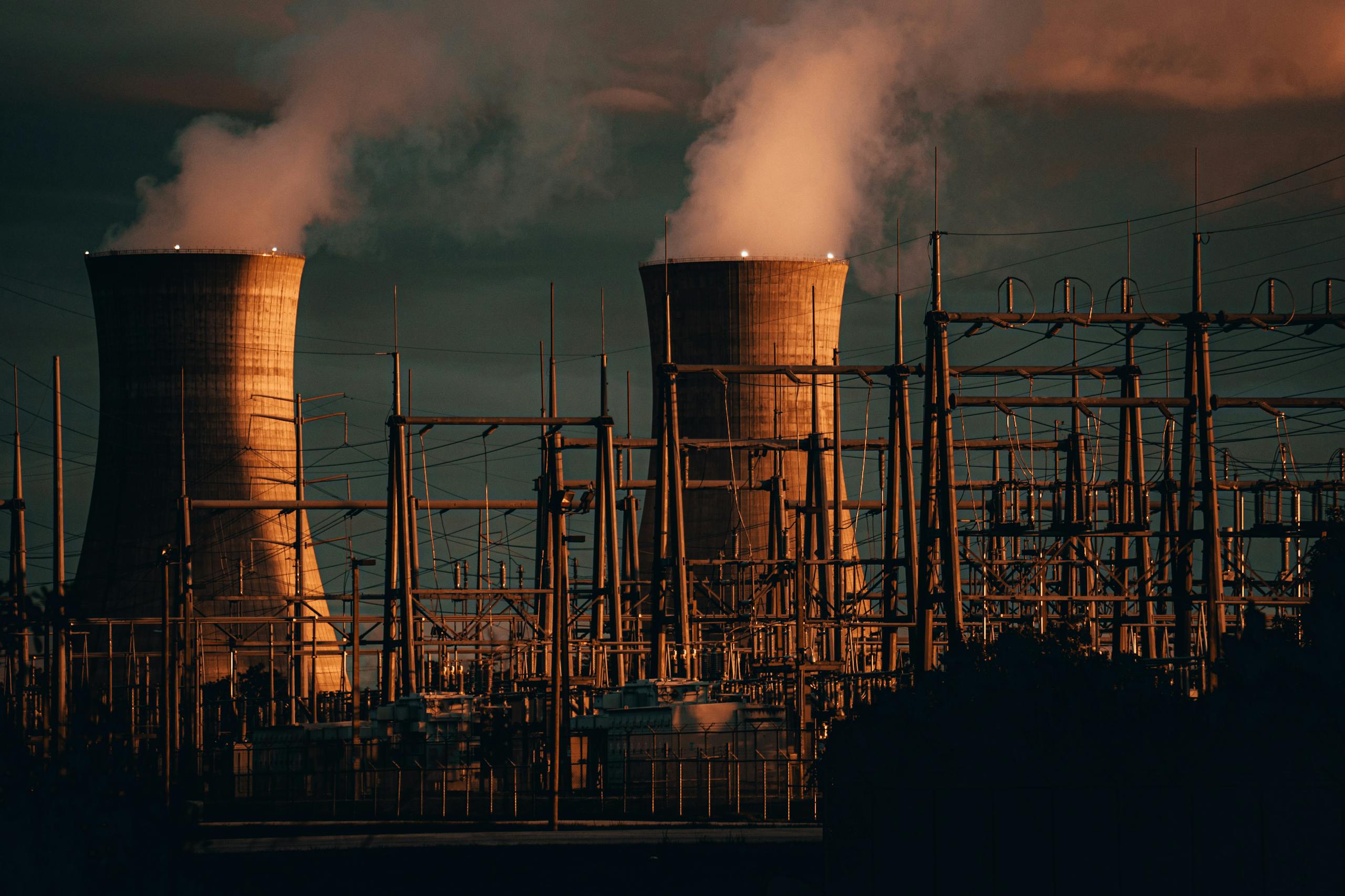
For much of modern history, Saudi Arabia’s economy has depended heavily on its vast oil reserves. The kingdom remains one of the world’s leading energy producers, but its leaders have been working to reduce dependence on oil and build a more diverse economy. Nuclear power has become a major part of that transformation plan.
Saudi officials say civilian nuclear energy could help meet growing electricity demand and reduce the amount of oil used for domestic power generation. They argue that developing nuclear technology would support economic growth, create advanced industries, and strengthen the country’s future energy security. The effort is also connected to Saudi Arabia’s broader Vision 2030 economic strategy.
The most controversial part of the agreement is the possibility that Saudi Arabia could develop the ability to enrich uranium inside the country. Uranium enrichment is a sensitive process because it can be used to produce fuel for civilian nuclear reactors but can also become connected to nuclear weapons programs.
Experts explain that enrichment does not automatically create a nuclear weapon, but it does require strong oversight and international monitoring.
Why Saudi Uranium Enrichment Has Raised Global Concerns
The debate over Saudi Arabia’s nuclear program is about more than electricity production. Governments and security experts are watching closely because nuclear decisions in one country can influence the security calculations of neighboring nations. The Middle East has already experienced decades of tension involving military competition, regional rivalries, and nuclear concerns.
Saudi Arabia is a member of the International Atomic Energy Agency, which works to promote peaceful nuclear activities and monitor nuclear programs worldwide. However, concerns have emerged because the agreement is not expected to include the IAEA’s Additional Protocol, which allows expanded inspections and stronger verification measures.
Critics argue that additional monitoring would provide greater confidence that nuclear materials remain dedicated only to peaceful purposes. The issue has become even more sensitive because of previous comments from Saudi Crown Prince Mohammed bin Salman.
In a 2018 interview, the crown prince said Saudi Arabia would seek nuclear weapons if Iran developed them, a statement that continues to influence how experts view the kingdom’s nuclear ambitions. Saudi officials have maintained that their nuclear program is intended for civilian energy purposes.
Iran’s Nuclear Program Adds Pressure to the Debate
Saudi Arabia’s nuclear agreement comes at a time when Iran’s nuclear activities remain a major international concern. Tehran has repeatedly stated that its nuclear program is peaceful, but Western governments have raised concerns about uranium enrichment levels and Iran’s ability to expand its nuclear capabilities.
The possibility of another major Middle Eastern country developing enrichment technology has increased fears of a wider regional competition.
Saudi Arabia and Iran have historically competed for influence across the Middle East. Although the two countries restored diplomatic relations in 2023 with help from China, strategic differences between them continue to shape regional politics. Any expansion of nuclear capabilities could affect how countries across the region approach their own security decisions.
The concern among critics is less about Saudi Arabia’s current statements and more about future possibilities. Nuclear infrastructure built today could remain in place for generations and could become strategically important during future conflicts. That is why international observers are focusing heavily on safeguards, inspections, and long term commitments.
Saudi Arabia’s Nuclear Path Differs from the UAE Model
The United Arab Emirates provides an important comparison in the Middle East nuclear discussion. When the UAE signed a nuclear cooperation agreement with the United States, it agreed not to pursue uranium enrichment or nuclear fuel reprocessing as part of its civilian nuclear program. The decision became widely recognized as a strong example of limiting nuclear risks while developing energy resources.
Saudi Arabia has taken a different approach by seeking the ability to develop parts of the nuclear fuel cycle. Saudi officials argue that the country should have the same rights as other nations that pursue peaceful nuclear energy. Critics believe domestic enrichment creates additional risks because it gives a country greater control over sensitive nuclear technology.
The difference between the Saudi and UAE approaches has become a central issue in discussions about the agreement. Lawmakers in Washington are expected to examine whether the safeguards included in the deal are strong enough. The final agreement could influence how future nuclear partnerships are negotiated around the world.
What the Saudi Nuclear Deal Means for the United States
For the United States, the agreement represents both an economic opportunity and a major foreign policy decision. American companies could benefit from involvement in Saudi Arabia’s nuclear development through construction, engineering, and technology projects. The partnership could also strengthen Washington’s relationship with Riyadh as global powers compete for influence in the Middle East.
The agreement is not only about business or energy. Nuclear cooperation involves national security, diplomacy, and international stability. The United States has historically tried to support peaceful nuclear development while preventing the spread of technology that could contribute to nuclear weapons programs.
The reported decades long agreement would have effects far beyond the current administration. Future leaders in both countries would inherit the commitments made today. That is why lawmakers and security experts are expected to focus closely on transparency, inspections, and enforcement measures.
The Future of Saudi Arabia’s Nuclear Ambitions
The agreement is expected to face review in Congress before moving forward. Lawmakers will likely debate whether the benefits of nuclear cooperation outweigh the potential risks. The central challenge will be finding a balance between supporting energy development and maintaining strong nuclear security protections.
Saudi Arabia views nuclear power as a path toward economic growth and greater energy independence. The United States sees cooperation with Riyadh to strengthen a major strategic partnership. Critics remain concerned that expanding nuclear capabilities in the region could create new challenges in an already complicated security environment.
The Saudi nuclear agreement could become one of the most important energy and security decisions of the coming years. It could open new opportunities for technology and economic development while also testing the world’s ability to manage nuclear expansion responsibly.
As the agreement moves forward, global attention will remain focused on whether it becomes an example of peaceful nuclear cooperation or a major shift in Middle East security.