A new review by the Department of Homeland Security has placed election records in the spotlight after officials said they identified more than 250,000 voter registrations involving individuals who may not be U.S. citizens. The findings have sparked renewed debate about voter roll accuracy, election administration, and the methods used to verify eligibility before elections.
According to DHS officials, the review focused on voter registration records in four states: California, New Jersey, Nevada, and Pennsylvania. The agency said its analysis found more than 256,000 potential matches between voter databases and records that may indicate an individual is not a U.S. citizen.
The announcement has triggered reactions from election officials, voting rights groups, and government representatives, with each side emphasizing different concerns. Supporters of the review argue that accurate voter lists are essential for maintaining public confidence, while critics caution that database comparisons can produce errors if records are incomplete or outdated.
How DHS Identified Potential Noncitizen Registrations
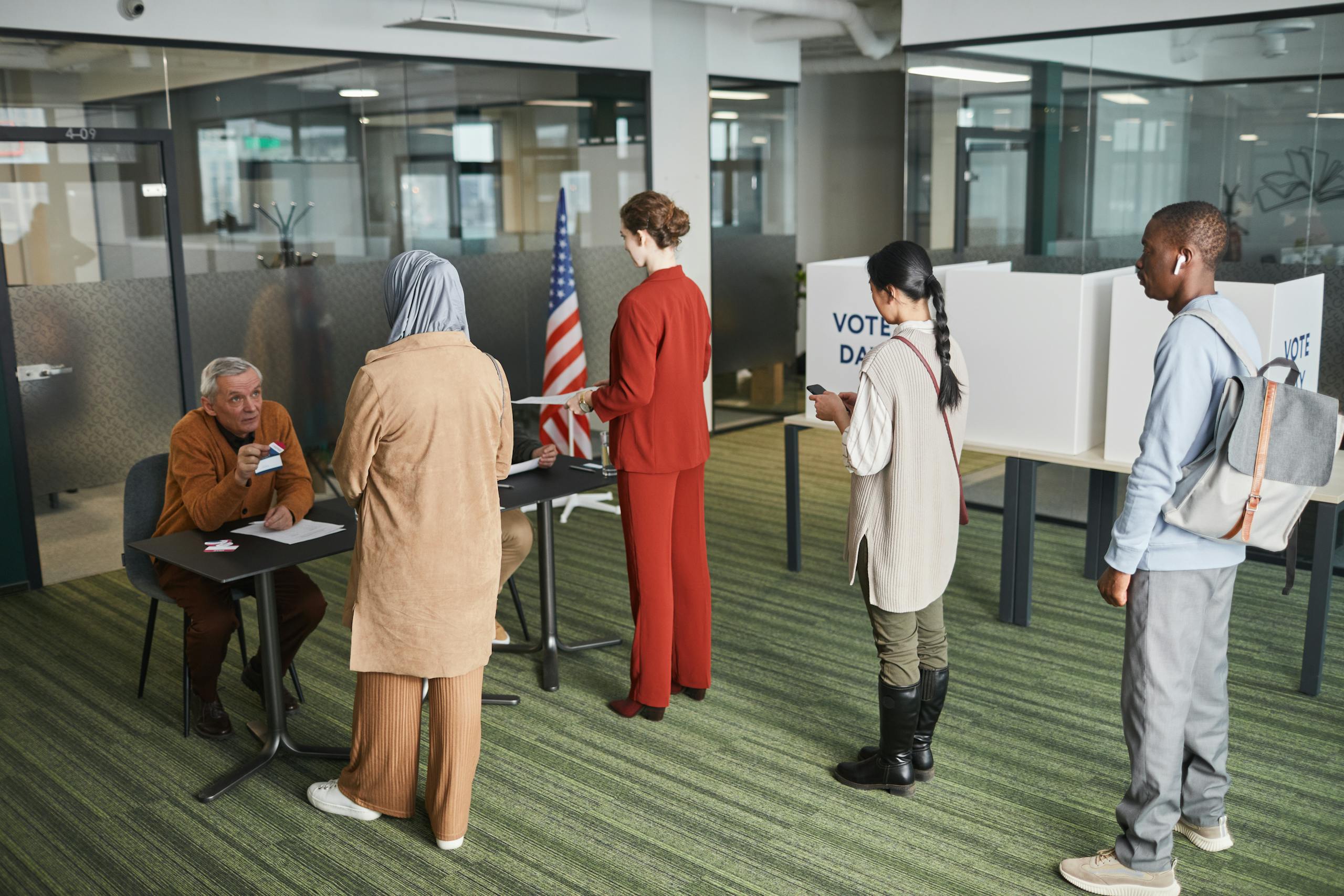
The DHS review reportedly involved comparing available government records with state voter registration information. Officials said the goal was to identify potential cases in which individuals listed on voter rolls may not meet citizenship requirements for federal elections.
The process relies on matching information across multiple databases, including immigration records and voter registration systems. However, database reviews can be complicated because names, addresses, birth dates, and other identifying details may change over time.
Election experts have repeatedly noted that finding a possible match does not automatically mean illegal voting occurred. A person appearing in a database comparison may have a similar name to another individual, may have updated their citizenship status, or may have records that were not synchronized across agencies.
The distinction between a registration record and an actual ballot cast is a key part of the discussion. Being listed as a potential noncitizen voter does not necessarily prove that someone voted illegally or attempted to interfere with an election.
States Face Pressure Over Voter Roll Maintenance
The issue places additional attention on how states manage voter registration systems. Election officials are responsible for maintaining accurate voter lists while also ensuring eligible citizens can participate without unnecessary barriers.
Each state has its own procedures for reviewing and updating voter rolls. These processes often include removing deceased voters, updating addresses, and investigating individuals who may no longer meet eligibility requirements.
Federal law requires states to maintain accurate voter lists, but it also places limits on removing voters too close to an election. Officials must balance preventing ineligible registrations with protecting eligible voters from being mistakenly removed.
States such as California, New Jersey, Nevada, and Pennsylvania have become frequent areas of political debate because of their large populations and significant roles in national elections.
The Difference Between Registration Issues and Election Fraud
Election security discussions often involve separating administrative problems from confirmed illegal activity. A registration record that requires review is different from evidence that a person illegally cast a ballot.
Election officials across the country have said that voter fraud investigations require specific evidence, such as documentation showing an individual knowingly violated election laws.
Noncitizens are generally prohibited from voting in federal elections. Some local jurisdictions allow limited voting rights for noncitizens in specific local elections, but these policies do not apply to federal contests.
Because election systems operate through millions of individual records, occasional mistakes can occur. These errors may include outdated information, incorrect data entries, or individuals who became citizens after registering.
Election Officials Respond to Concerns About Database Accuracy
Election administrators have often emphasized that voter registration systems include multiple safeguards designed to identify and correct problems. These safeguards vary by state but may include citizenship verification checks, audits, and reviews conducted before elections.
Officials also point out that voter databases are not always directly connected to immigration systems. Privacy laws, administrative rules, and technical limitations can affect how agencies share information.
A major challenge is ensuring that verification efforts are accurate. Overly broad database matching can create false positives, potentially affecting eligible voters whose records are incorrectly flagged.
Election security specialists argue that improving data-sharing systems between government agencies could help identify legitimate concerns while reducing unnecessary confusion.
Political Debate Intensifies Ahead of Future Elections
The DHS announcement arrives during a period of heightened national discussion about election integrity. Questions surrounding voter eligibility, registration accuracy, and election administration have become major political issues across the United States.
Supporters of stricter verification measures argue that stronger safeguards are necessary to protect public trust. They believe government agencies should regularly compare records to ensure voter lists remain accurate.
Opponents argue that claims involving large numbers of potentially ineligible voters must be carefully examined before conclusions are reached. They warn that broad allegations without confirmed cases could undermine confidence in the legitimacy of election results.
The debate reflects a larger disagreement about how to balance election security with accessibility for eligible voters.
What the DHS Findings Could Mean Moving Forward
The DHS allegations are likely to continue fueling discussions about election administration and voter verification. As states prepare for future elections, officials may face increased pressure to improve interagency coordination and strengthen registration systems.
The most important question is not simply how many records appear in a database comparison, but how many cases are confirmed after detailed review. Careful verification remains central to protecting both election integrity and the rights of eligible voters.
Maintaining accurate voter rolls is a constant responsibility for election officials. As technology improves and government databases become more connected, the challenge will be creating systems that identify genuine problems without creating unnecessary obstacles for lawful voters.
Accuracy Remains Central to Election Confidence
The DHS review has renewed attention on the importance of reliable voter registration systems across the United States. While officials investigate potential issues involving noncitizen registrations, the findings highlight the complexity of managing election records in a country with hundreds of millions of residents.
Strong election systems depend on accurate data, transparent procedures, and careful verification. Ensuring that only eligible voters participate while protecting citizens’ rights remains one of the central challenges facing election administrators nationwide.