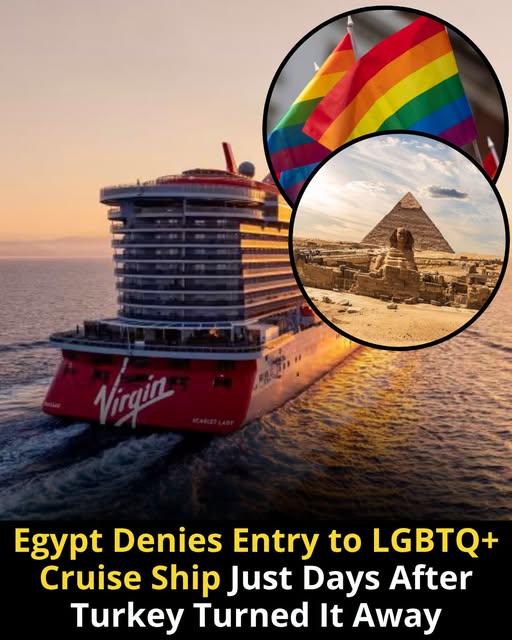
A luxury Mediterranean cruise turned into an unexpected travel disruption after Egyptian authorities denied entry to the Virgin Voyages Scarlet Lady, a ship carrying nearly 2,000 passengers on an LGBTQ+ charter voyage. The decision forced organizers to make another last-minute adjustment to the ship’s planned itinerary, leaving passengers disappointed and raising questions about why the vessel was prevented from visiting Egypt.
The Scarlet Lady, operated by Virgin Voyages, was scheduled to arrive in Alexandria, Egypt, as part of a special charter sailing organized by Atlantis Events. The voyage was designed as a celebration-focused trip for LGBTQ+ travelers, offering entertainment, performances, and social events throughout the Mediterranean journey.
However, passengers were informed overnight that Egyptian authorities had refused the ship permission to enter the country. The announcement came after the cruise line had already modified its schedule, making the decision especially disruptive for travelers who had expected to explore one of the world’s most historic destinations.
No official explanation has been released by Egyptian authorities regarding the denial. The lack of a public reason has created uncertainty among passengers and travel observers, with many questioning what factors influenced the decision.
A Sudden Change to a Highly Anticipated Journey
For many travelers aboard the Scarlet Lady, the planned stop in Alexandria represented one of the highlights of the cruise. Egypt’s Mediterranean port offers access to ancient landmarks, historical sites, and cultural experiences that attract millions of visitors every year.
A visit to Alexandria can include exploring the famous Bibliotheca Alexandrina, ancient Roman ruins, waterfront attractions, and connections to Egypt’s long history as a center of civilization. Losing the port stop meant passengers missed the opportunity to experience a destination that had been part of their travel plans.
The overnight announcement left little time for preparation. Cruise guests who had planned excursions, tours, and personal activities in Egypt had to adjust their expectations quickly.
Travel disruptions are not unusual in the cruise industry. Ships frequently change routes because of weather, security concerns, political situations, or operational challenges. However, the circumstances surrounding this particular change attracted significant attention because the voyage was an LGBTQ+ charter.
Atlantis Events’ LGBTQ+ Cruise Draws Global Travelers
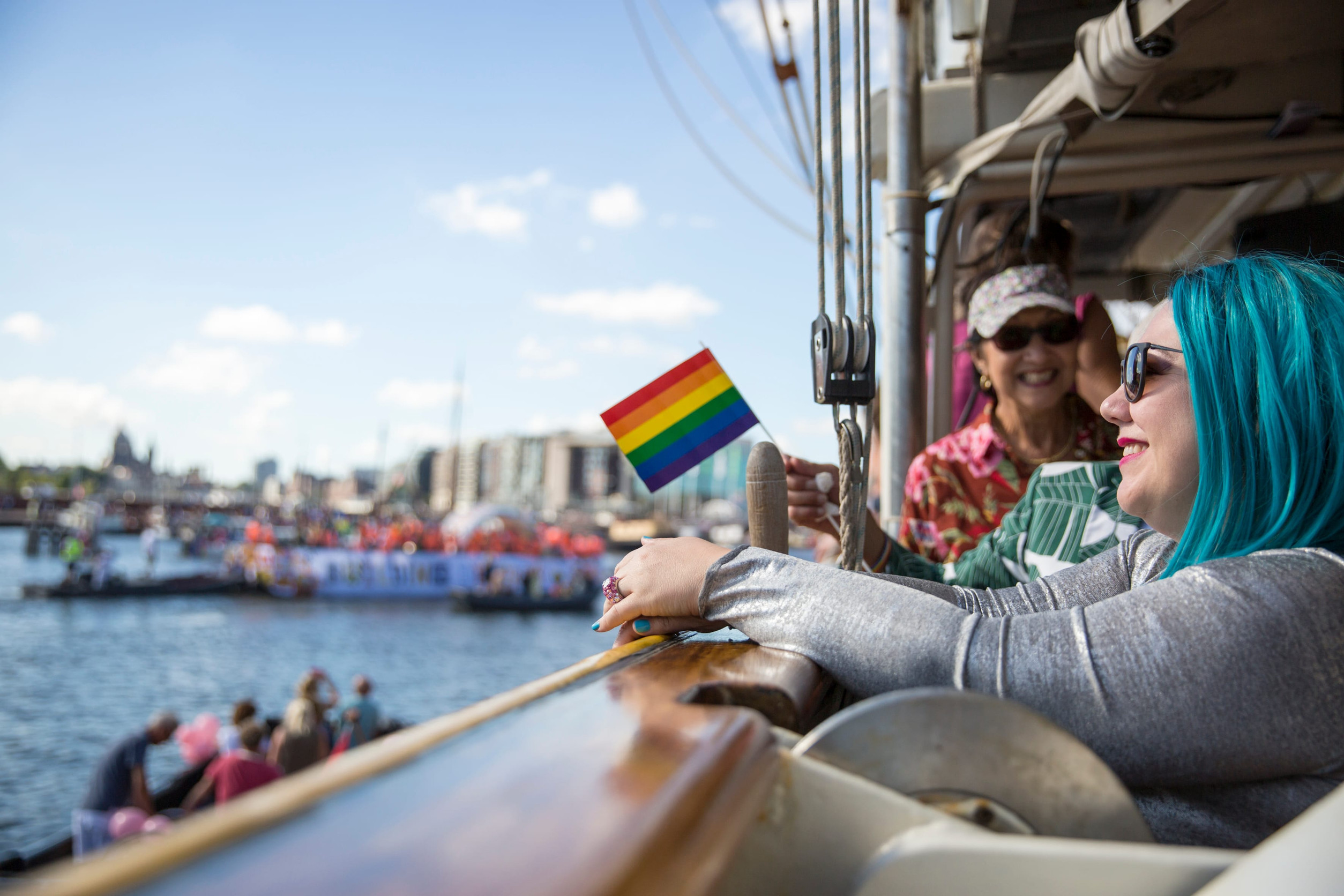
Atlantis Events is known for organizing large-scale LGBTQ+ vacations, including cruises and resort experiences that attract travelers from around the world. The company’s events typically feature themed entertainment, celebrity performers, parties, and activities designed specifically for LGBTQ+ communities.
The Scarlet Lady charter brought together thousands of passengers seeking a welcoming and inclusive vacation environment. For many guests, these specialized cruises provide a space for LGBTQ+ travelers to celebrate their identities and community while exploring international destinations.
The denial of entry created concerns among some passengers about whether LGBTQ+ travelers face additional challenges when visiting certain countries.
Egypt has a complex relationship with LGBTQ+ issues. Although same-sex relationships are not specifically criminalized under Egyptian law, authorities have historically used other legal provisions, including morality and public decency laws, against LGBTQ+ individuals. International human rights organizations have repeatedly raised concerns about the treatment of LGBTQ+ communities in the country.
Egypt’s Tourism Industry Faces Global Attention
Tourism is one of Egypt’s most important industries, with millions of international visitors traveling to see landmarks such as the pyramids of Giza, the temples of Luxor, and historic cities along the Nile River.
The country has invested heavily in attracting foreign travelers and promoting itself as a global tourism destination. Cruise tourism is also an important part of the Mediterranean travel market, bringing visitors and economic activity to Egyptian ports.
Decisions involving international cruise ships can attract worldwide attention because they affect not only travelers but also tourism businesses, local economies, and the country’s international image.
The refusal to allow the Scarlet Lady to dock has placed Egypt under additional scrutiny, particularly among LGBTQ+ travelers and advocacy groups.
Passengers Left Searching for Answers
Many travelers aboard the cruise were reportedly surprised by the sudden change. Without a public explanation from Egyptian officials, passengers were left trying to understand why the planned stop was canceled.
For cruise guests, itinerary changes can be frustrating because vacations often involve months of planning. Travelers may spend significant amounts of money arranging flights, accommodations, excursions, and special experiences around specific destinations.
The situation also highlights the challenges international travel companies face when operating in different countries with varying cultural, political, and legal environments.
Cruise operators must balance passenger expectations with government regulations and diplomatic realities. A destination that appears available on a travel schedule can sometimes become inaccessible due to decisions made by local authorities.
A Larger Conversation About LGBTQ+ Travel
The incident has renewed discussions about LGBTQ+ travelers navigating international destinations. Many LGBTQ+ tourists carefully consider safety, acceptance, and legal protections before choosing where to travel.
Some destinations have embraced LGBTQ+ tourism as an economic opportunity, promoting themselves as welcoming locations for diverse visitors. Others maintain stricter social or legal environments that create concerns for LGBTQ+ travelers.
The Scarlet Lady situation demonstrates how international travel decisions can intersect with social and political issues. A cruise itinerary is not only about geography; it can also reflect questions about culture, government policies, and human rights.
The Cruise Continues Despite the Disruption
Despite missing the Egyptian port, the Scarlet Lady continued its voyage with passengers and organizers adapting to the unexpected change. Cruise companies often have contingency plans for itinerary disruptions, allowing ships to replace canceled stops with alternative experiences.
For travelers aboard the ship, the journey continued, but the denied entry into Egypt became one of the defining moments of the voyage.
The incident remains notable because it involved a major international cruise line, a large LGBTQ+ charter group, and a country known worldwide for its history and tourism appeal.
Until Egyptian officials provide more information, the exact reason behind the decision remains unclear. For passengers, however, the message was immediate: a highly anticipated stop in Alexandria was canceled, and an unforgettable Mediterranean cruise took an unexpected turn.