A Washington state prison case that shocked the public raised painful questions about trauma, justice, and the limits of the correctional system after a 25-year-old inmate killed his 70-year-old cellmate , a man he later said had sexually abused his younger sister years earlier.
The killing of Robert Munger inside the Airway Heights Corrections Center in Spokane County became one of the most controversial prison cases in recent years. Shane Goldsby admitted responsibility for the attack, saying the emotional weight of being forced to share a cell with the person connected to his family’s trauma became unbearable.
However, the court case ultimately focused on a difficult legal question: how should the justice system respond when an inmate takes revenge against someone accused and convicted of a horrific crime?
Goldsby was sentenced to nearly 25 additional years in prison after pleading guilty to second-degree murder in the death of Munger.
A Prison Cellmate Connection That Changed Everything
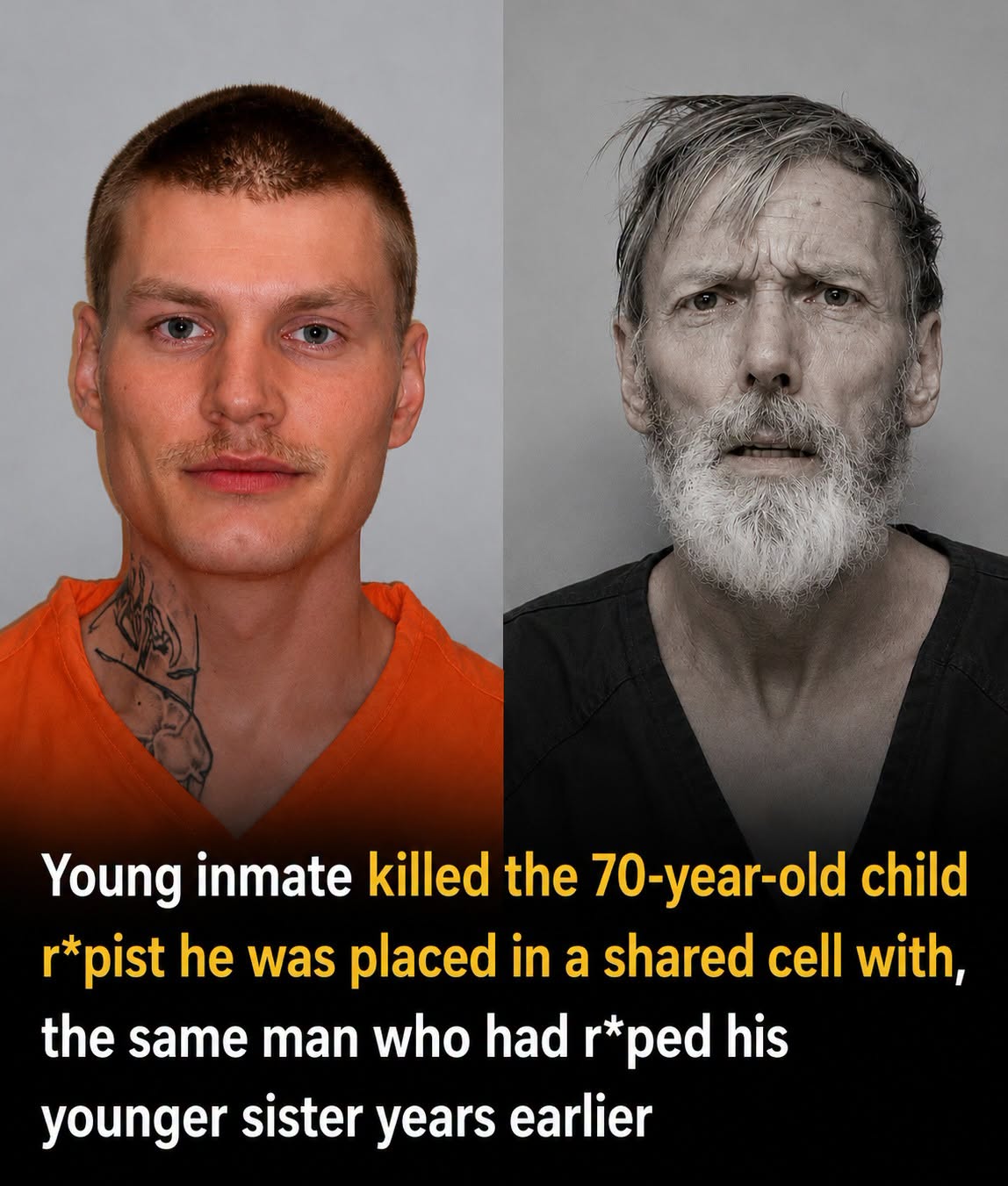
The incident began after Goldsby was transferred to Airway Heights Corrections Center in Washington. There, he was assigned to share a cell with Robert Munger, a convicted sex offender serving a lengthy prison sentence for crimes involving children.
According to court records and reports, Goldsby eventually realized that Munger was the same person who had sexually abused his younger sister when she was a child. Munger had previously been sentenced to 43 years in prison for child sex crimes, including child molestation and possession of child pornography.
For Goldsby, the discovery transformed an ordinary prison assignment into an overwhelming emotional confrontation with his family’s past.
He later said that after learning Munger’s identity, he requested a transfer to another cell. Goldsby claimed that his concerns were not addressed and that the situation continued to affect him emotionally.
The Attack Inside the Prison Facility

The confrontation eventually escalated into violence.
Investigators said Goldsby attacked Munger inside the prison facility, striking him repeatedly and stomping on his head. Surveillance footage captured parts of the assault, which left Munger with catastrophic injuries. He was taken to a hospital but died several days later.
The brutality of the attack became a major focus during the legal proceedings. Prosecutors argued that regardless of Munger’s past crimes, Goldsby had committed a deliberate killing and had to be held accountable under the law.
Goldsby did not deny his role in the death. Instead, he explained that years of anger, pain, and emotional pressure contributed to his actions.
Questions Raised About Prison Placement Decisions
The case also sparked debate over how inmates are assigned housing within correctional facilities.
Many questioned how Goldsby and Munger could have ended up sharing the same cell given the connection between Munger’s crimes and Goldsby’s family.
The Washington State Patrol investigated the circumstances surrounding the placement and found no evidence that prison staff knowingly placed the two men together. Investigators said officials did not have enough information connecting Goldsby to Munger’s victim because the family members involved had different last names.
The investigation concluded that corrections staff followed existing procedures, although the case exposed the challenges prison systems face in identifying potential conflicts among thousands of inmates.
A Case That Divided Public Opinion
The story quickly gained national attention because it touched on powerful emotions surrounding crimes against children and personal revenge.
Many people expressed sympathy for Goldsby because of the trauma connected to his sister’s abuse. Others argued that allowing inmates to carry out personal punishment inside prisons threatens the rule of law and creates a dangerous environment.
The court ultimately made clear that personal grief and anger, even when connected to a devastating crime, cannot replace the legal process.
Goldsby’s attorneys expressed remorse during sentencing, saying he understood that his actions had caused another family pain. His statement acknowledged responsibility for taking a life, even as he described the circumstances that led to the attack.
The Consequences of a Moment of Rage
Before killing Munger, Goldsby was already serving time for unrelated crimes, including a 2017 incident involving a stolen police vehicle and a high-speed pursuit that injured a state trooper.
The additional murder sentence ensured that he would spend decades behind bars.
The case remains a complicated example of how personal trauma, prison management, and criminal responsibility can collide. It raises difficult questions about whether systems designed to maintain order can always recognize hidden dangers before they erupt.
For Goldsby, discovering who his cellmate was turned a prison assignment into a deeply personal crisis. For the legal system, it became another reminder that even the most emotionally charged circumstances must still be addressed within the bounds of the law.
The tragedy left two families dealing with loss: one mourning a man killed inside prison, and another confronting the painful consequences of a violent act committed in response to an unimaginable personal history.