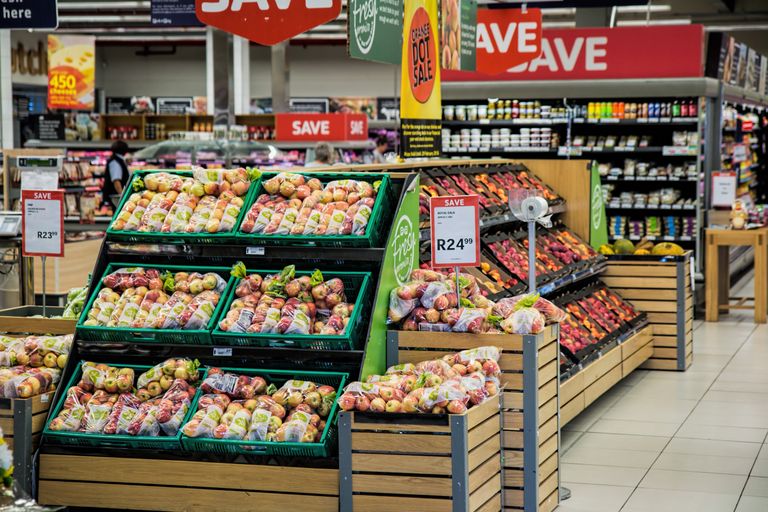
A dangerous summer stomach illness is spreading across parts of the United States, and health officials are warning Americans to be careful with fresh produce as cases of cyclosporiasis rise during peak cookout season.
The illness is caused by Cyclospora cayetanensis, a parasite that can trigger watery, frequent and sometimes “explosive” diarrhea. It is often linked to contaminated food or water, especially to fresh fruits, vegetables, and herbs eaten raw.
The timing has raised concern because many families are preparing salads, fruit trays, vegetable platters, and picnic meals for summer gatherings. Unlike a quick stomach bug, cyclosporiasis can drag on for days or weeks, and symptoms may disappear before returning again.
Michigan Sees a Troubling Spike
Michigan has become one of the biggest warning signs in the current rise. State health officials reported more than 170 cases in late June, a sharp increase compared with the roughly 50 cases the state usually sees in a year.
Cases have been reported in several Michigan counties, including Monroe, Lenawee, Washtenaw, Wayne, Livingston, Shiawassee, and Jackson. Health officials are still investigating whether the illnesses are connected to a single food source or multiple exposures.
Across the country, federal data have also shown cyclosporiasis cases in multiple states since May. Health agencies have not confirmed one single nationwide outbreak, but they are tracking clusters and searching for possible links.
What Makes This Parasite So Nasty
Cyclosporiasis usually causes gastrointestinal symptoms that can feel like food poisoning. The most common sign is watery diarrhea, which may be sudden and severe.
Other symptoms can include:
- Stomach cramps
- Nausea
- Bloating
- Gas
- Loss of appetite
- Fatigue
- Vomiting
- Low-grade fever
- Weight loss
People often get sick about a week after exposure, though symptoms can appear sooner or later. That delay makes it harder for patients to recall exactly what they ate, which in turn makes investigations more difficult.
Fresh Produce Is a Major Concern
Cyclospora spreads when people eat contaminated food or drink contaminated water. Fresh produce is a major concern because it is often eaten raw and may pass through farms, packing facilities, trucks, stores, and kitchens before reaching a plate.
Past U.S. outbreaks have been linked to basil, cilantro, raspberries, lettuce, and other fresh produce. Health officials have not yet identified a specific food item behind the current rise, but raw fruits and vegetables remain under close watch.
Washing produce helps reduce risk, but it does not guarantee complete protection. That is why food safety habits matter more during summer, especially when food sits out at cookouts, parties, and holiday gatherings.
How Americans Can Protect Themselves
We should not panic, but we should be careful. The best protection is clean handling, proper washing, and fast refrigeration.
Before eating or serving produce, wash fruits and vegetables under running water. Scrub firm items such as cucumbers and melons. Cut away bruised or damaged areas. Keep cutting boards, knives, and countertops clean. Wash hands before preparing food and after using the bathroom.
Prepared fruits and vegetables should be refrigerated quickly, especially after being cut or peeled. Food left out too long in warm weather can become unsafe.
When to Get Medical Help

Anyone with severe, watery, or long-lasting diarrhea should contact a healthcare provider. This is especially important for children, older adults, pregnant women, and people with weakened immune systems.
Cyclosporiasis can be treated with antibiotics, but doctors may need to order a specific stool test because the parasite is not always included in routine testing.
The bottom line is simple: a parasite known for causing explosive diarrhea is now part of the summer food safety conversation in the U.S., and Michigan’s sharp spike shows why families should take this seriously. Fresh produce is healthy, but this season it needs extra care.