New York City just got a crime report that many residents have been waiting to hear. The numbers are down. Not slightly down.
Not “spin it nicely at a press conference” down. According to NYPD figures released July 2, the city recorded its fewest murders, shooting incidents, and shooting victims for the first half of any year in recorded history. That is the kind of sentence that sounds almost too clean for a city as complicated, crowded, and restless as New York. But the numbers are real, and so are the warnings hiding beneath them.
The biggest headline: fewer killings and shootings

Through the first six months of 2026, New York City recorded 122 murders, down from 162 during the same period last year. That is a 24.7% decline, breaking the previous first-half record low of 136 murders set in 2017. Shooting incidents also fell to 322, beating the prior record of 337, while shooting victims dropped to 381.
Mayor Zohran Kwame Mamdani framed the drop in human terms, saying, “Each of these numbers represents a life untouched by violence.” It was a polished line, but also a useful reminder. Crime statistics can feel cold until you remember what they measure: the shooting that did not happen, the family that did not get the phone call, the block that did not wake up to sirens.
The citywide major crime picture also improved. NYPD data shows major crime fell 5.8% year to date, with 55,157 major crimes reported compared with 58,581 during the same period in 2025. That means 3,424 fewer major crime complaints in the first half of the year.
The Bronx is suddenly leading the comeback story.
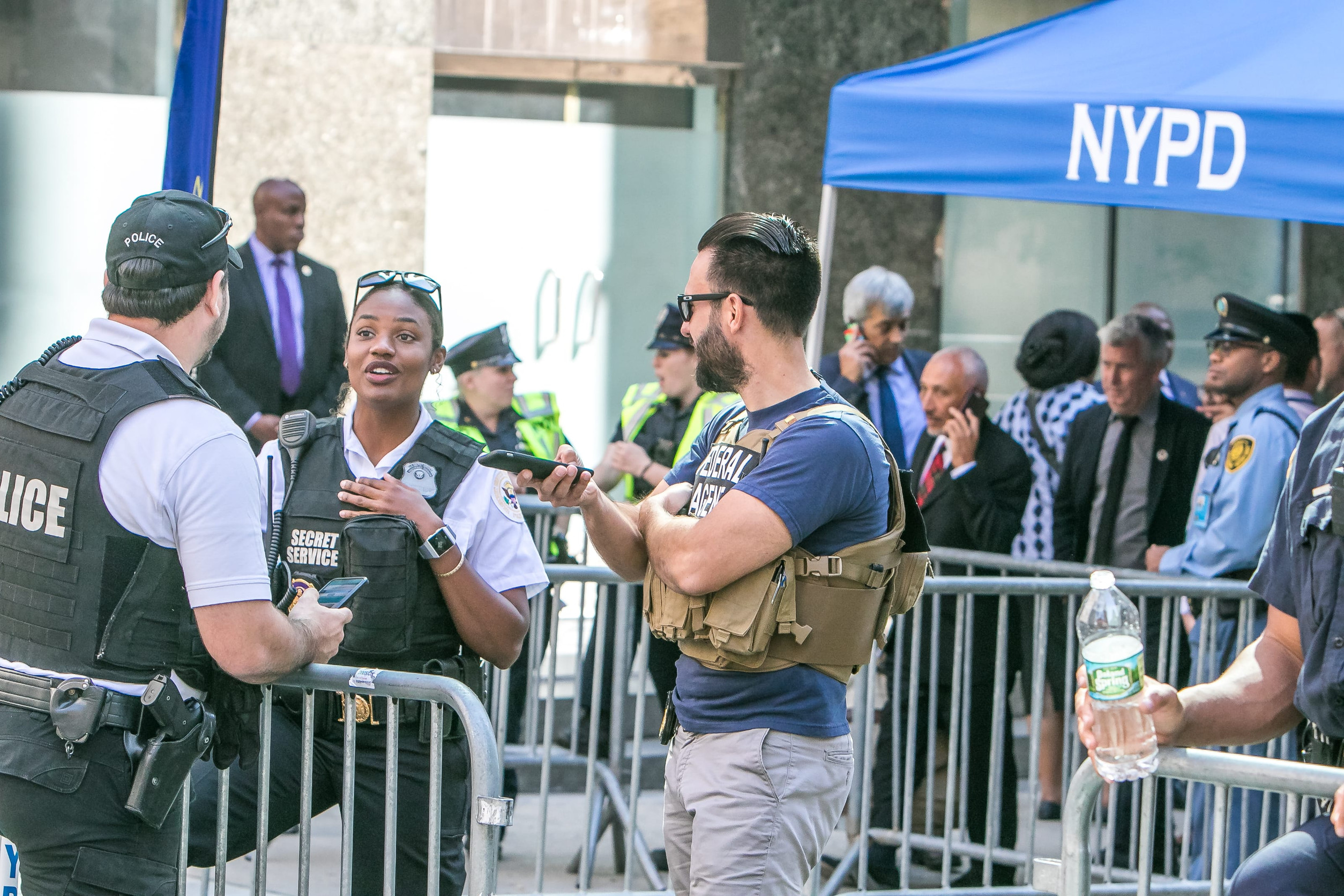
If there is one borough that stands out in the latest report, it is the Bronx. Long treated in the public imagination as the city’s crime problem child, the borough posted the largest decline in major crime. NYPD officials said Bronx index crime dropped 12%, from 15,208 complaints last year to 13,434 this year.
The improvement was especially visible in auto theft, grand larceny, and robbery. Auto theft in the Bronx fell 26.4%, robberies declined 17.1%, and grand larcenies dropped 13.6%. Police Commissioner Jessica Tisch pointed to a new two-command structure for the Bronx as part of the department’s effort to sharpen deployment and decision-making.
This matters because boroughwide statistics are not just numbers on a spreadsheet. They affect whether people linger outside after work, whether parents feel comfortable letting teenagers ride home late, and whether small businesses feel they are operating in a city that is stabilizing or slipping.
Retail theft, burglary, and auto theft are moving lower.
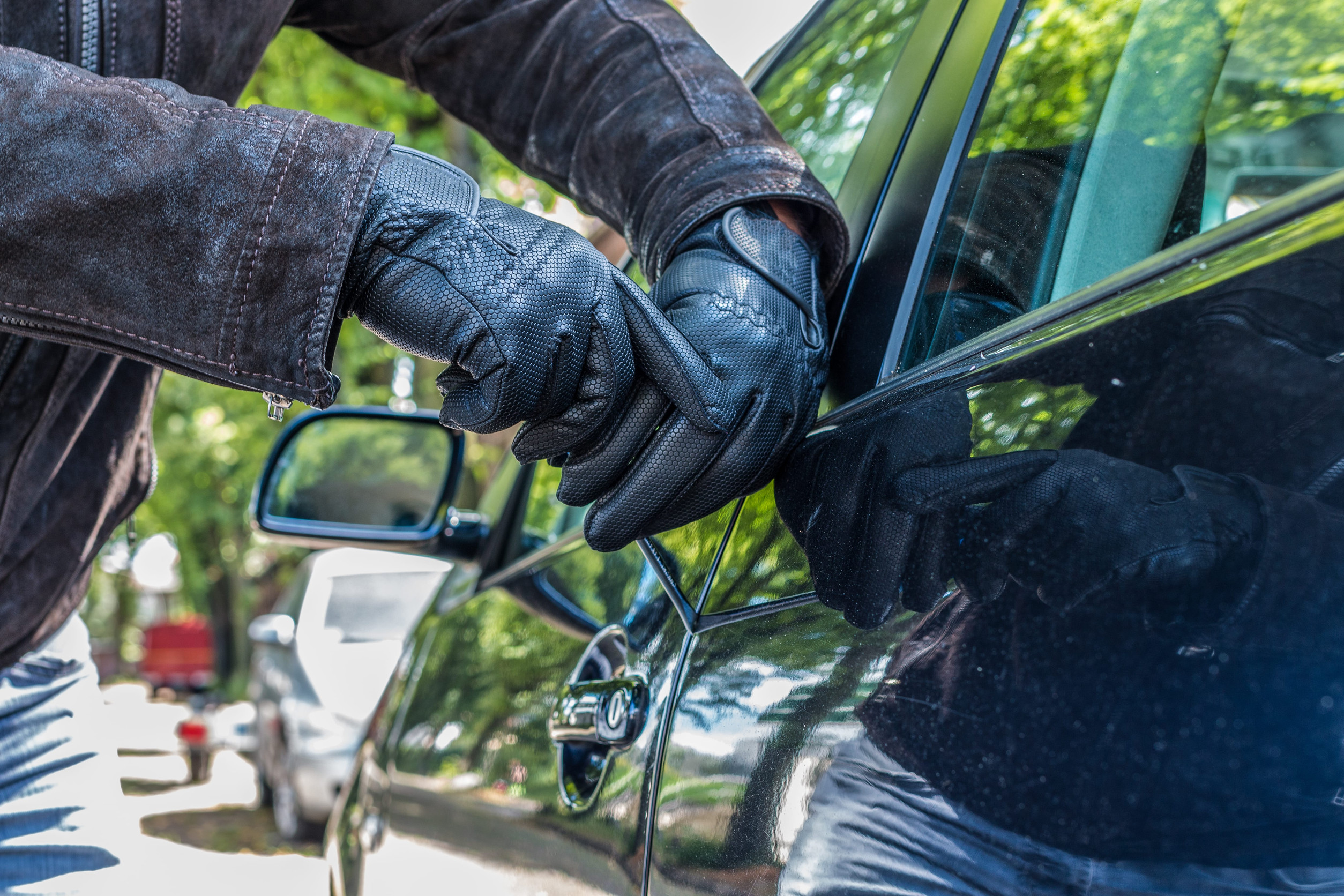
For many New Yorkers, the crimes that shape daily anxiety are not only murders and shootings. They are the break-ins, stolen cars, shoplifting patterns, and street robberies that make neighborhoods feel frayed.
Here, too, the city reported progress. Robbery declined 12%, burglary fell 15.8%, grand larceny dropped 4.2%, and auto theft fell 9.7%. Retail theft also dropped sharply, down 16.3% year to date compared with the same period last year.
Tisch credited the NYPD’s “precision policing” approach, which places officers and specialized units where crime patterns are emerging rather than relying only on fixed patrols. Patch reported that Tisch said the reductions “did not happen by chance,” arguing that they resulted from data-driven deployments and targeted investigations.
But the warning signs are still flashing.
This is where the story gets more complicated. A safer city on paper is not the same as a city where every category is moving in the right direction.
Felony assault was basically flat, with 14,757 reports this year compared with 14,752 last year. NYPD officials said domestic violence accounts for 42% of felony assaults citywide, while assaults on police officers account for another 8%.
Reported rapes increased 5.8%, rising to 1,066 from 1,008. The NYPD said the increase is partly connected to older incidents being reported now and to New York’s expanded “Rape Is Rape” law, which broadened the legal definition of rape in 2024. Officials said 26% of rapes reported this year occurred in prior years, and 19% fell under the expanded definition.
Hate crimes also rose. Confirmed hate crimes increased 7.7%, from 299 to 322. More than half of confirmed hate crimes in the first half of the year were anti-Jewish incidents, while crimes based on sexual orientation and Muslim identity also showed sharp increases.
The subway picture is better, but not carefree.
Transit crime remains one of the city’s emotional pressure points. Even when crime is statistically low, one viral subway attack can shake public confidence for days.
NYPD data show that major crime in transit fell slightly, from 1,109 incidents to 1,102 year-to-date. The city also reported 39 guns recovered in the transit system, a record figure cited by officials.
That is progress, but not a magic wand. Vital City’s midyear analysis noted that transit crime is roughly steady, and that robberies and felony assaults remain major parts of the underground crime mix. In other words, the subway may be improving, but riders still judge safety by what happens on their own platform, in their own car, at their own stop.
What New Yorkers should take from this
The fair reading is this: New York City is moving in the right direction on several of the crimes people fear most, especially murders and shootings. That is a major public safety achievement and should not be brushed aside.
But it is not the whole story. Felony assaults remain stubborn. Hate crimes are rising. Reported rapes require serious attention, even with the important context of expanded definitions and delayed reporting. And as Vital City noted, major crime remains higher than it was before the pandemic, even as 2026 shows clear improvement.
So yes, the city can take a breath. The numbers are better. The mood may even be shifting. But New York has never been a city where one good report ends the argument. It is a city that immediately asks the next question: safer for whom, safer where, and how do we keep it that way?