President Donald Trump asked Americans on Saturday, June 20, to vote on whether U.S. Immigration and Customs Enforcement should be renamed “NICE,” turning the agency’s public image into the latest front in the national immigration fight.
Trump made the proposal in a social media poll, saying the new name would stand for National Immigration and Customs Enforcement. The suggestion arrived as ICE faces renewed scrutiny over detention operations, deportation policy, and protests outside a migrant detention facility in Newark, New Jersey.
Trump Pushes New ICE Name
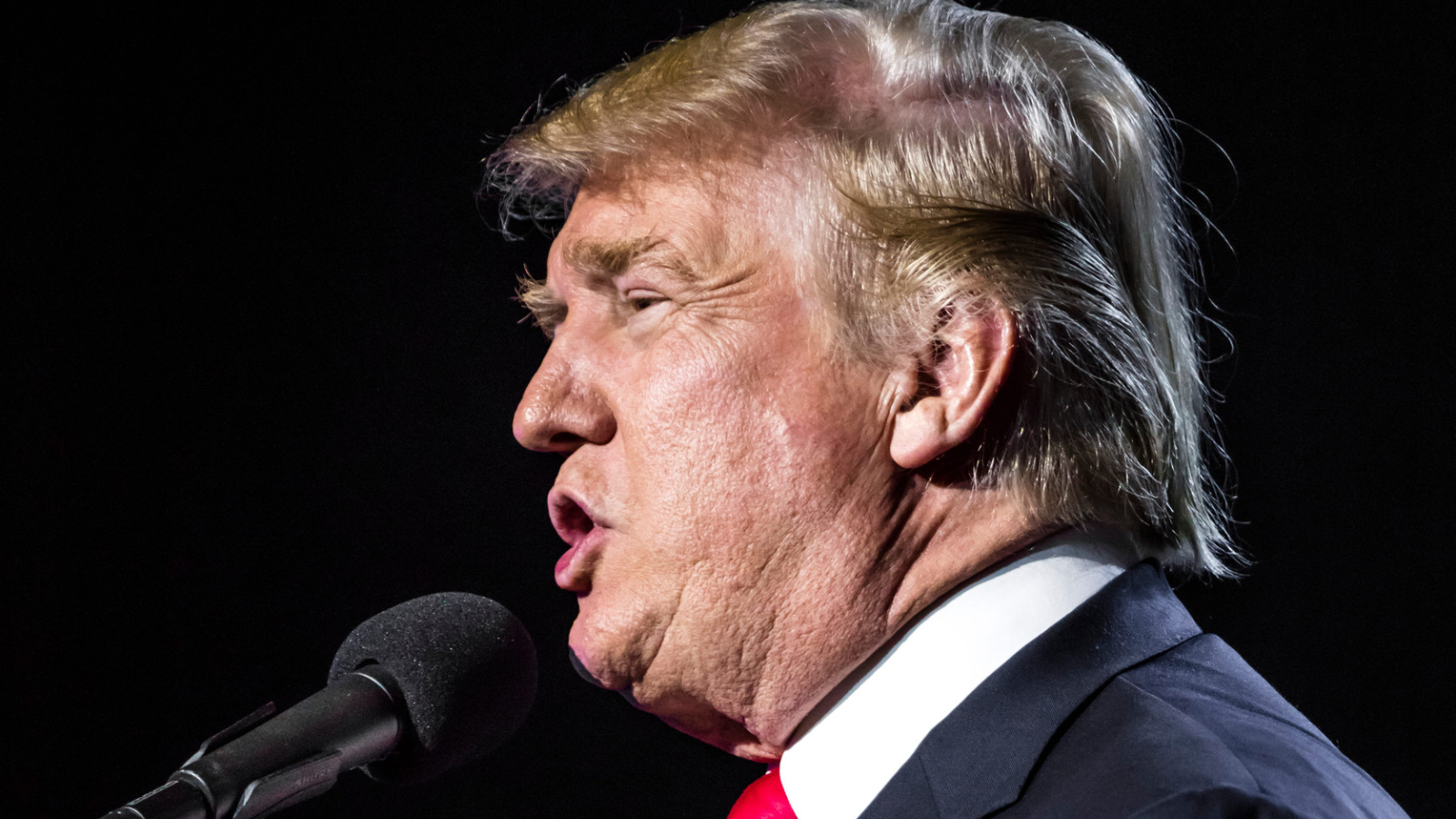
Trump said the agency’s current acronym has been damaged by media coverage and criticism from Democrats. He described ICE agents as “Great Patriots” and said they work in a hostile environment.
In the post, Trump said adding “National” to the agency’s title would create a “more prestigious name.” He argued that critics would struggle to use phrases such as “NICE agents” or “NICE facility” when covering immigration enforcement.
The proposal was presented as a poll asking whether the name should change from ICE to NICE. His Truth Social poll drew thousands of votes within its first hour, according to the New York Post.
Trump also said he had discussed the idea with Tom Homan, a senior immigration enforcement figure in his administration. Trump wrote that Homan told him ICE agents did not appear to like the proposal as much as others did.
Agency at Center of Policy Fight
ICE is one of the most politically charged federal law enforcement agencies in the United States. Its work includes immigration arrests, deportations, detention operations, and criminal investigations tied to cross-border crime.
The agency says its mission is to protect the country through criminal investigations and immigration law enforcement. The ICE official mission statement says the agency focuses on national security and public safety.
Supporters of ICE say the agency enforces laws passed by Congress and removes people who are in the country illegally, including some accused or convicted of serious crimes. Critics say its detention and deportation operations have gone too far and have harmed families, asylum seekers, and communities.
Trump has made immigration enforcement a central part of his second-term agenda. He has repeatedly defended ICE agents and accused political opponents of weakening border security.
Newark Facility Draws Protests
The name-change proposal followed weeks of tension outside Delaney Hall, a migrant detention facility in Newark. The facility has become a major protest site for immigration advocates and critics of the Trump administration’s detention policies.
Demonstrators have gathered outside the facility over claims about conditions inside. Detainees and advocates have alleged poor food, delays in medical care, and retaliation against people who joined a hunger or labor strike.
Federal officials have defended the facility and disputed claims of mistreatment. The Department of Homeland Security has said detainees receive food, medical care, and access to legal processes.
Reuters photographed clashes outside Delaney Hall in late May, showing protesters, ICE officers, and Enforcement and Removal Operations personnel during confrontations. Reuters reported from Newark that detainees were staging a hunger strike over alleged conditions inside the center.
New Jersey officials also moved to control the area after repeated clashes. State police established protest zones, and local officials restricted access near the facility during overnight hours.
Rebrand Would Not Change ICE Powers
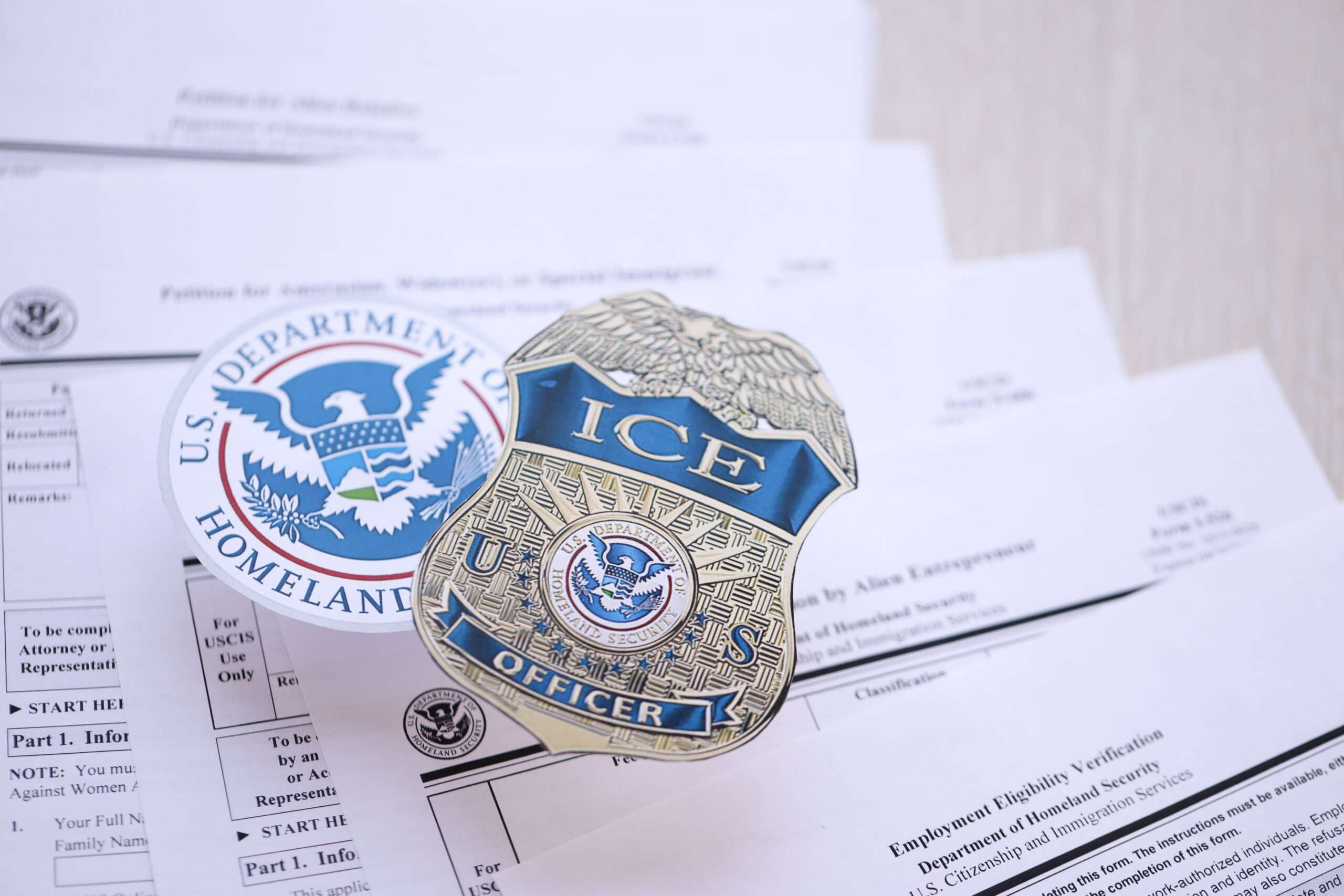
A new acronym would not automatically change ICE’s legal authority, funding, or enforcement priorities. The agency would still operate under the Department of Homeland Security unless Congress or the administration made broader structural changes.
An official rename could require legal, administrative, and budget steps. Federal agencies use their names across contracts, signage, records, databases, badges, public notices, and court filings.
ICE was formed after Congress reorganized homeland security agencies following the Sept. 11 attacks. The Department of Homeland Security was created under the Homeland Security Act of 2002, which reshaped federal security operations.
The agency’s early name included “Bureau of Immigration and Customs Enforcement,” but the shorter ICE acronym became the official public name in later DHS usage.
Trump’s proposal appeared focused less on structural reform and more on public messaging. The word “NICE” would create a softer acronym while keeping the enforcement function in place.
Critics See Messaging Strategy
Immigration advocates are likely to view the idea as a branding move rather than a policy change. Groups that oppose ICE have called for limits on detention, stronger oversight, and, in some cases, abolition of the agency.
Those critics argue that changing the name would not address detention conditions, due process concerns, or the effects of deportation operations. They also say the agency’s reputation is tied to its actions, not only its acronym.
The proposal may also give opponents a new target. “NICE” could become a phrase used on protest signs, in legal commentary, and in campaign messaging against the administration.
For Trump, that reaction may be part of the strategy. His political style often relies on short phrases that draw heavy attention and force opponents to respond.
Supporters Defend Immigration Officers
Trump’s allies are expected to frame the proposal as a defense of ICE personnel. They have argued that immigration officers have faced unfair criticism while carrying out dangerous federal duties.
The administration has also linked immigration enforcement to broader public safety goals. Officials have highlighted cases involving drug trafficking, gang activity, violent crime, and unlawful reentry.
ICE’s defenders say criticism of the agency often ignores its criminal investigative work. Homeland Security Investigations, one of ICE’s major components, investigates human trafficking, financial crimes, drug smuggling, and other transnational offenses.
Still, much of the public debate remains focused on deportation and detention. That is where the agency’s most visible clashes with local officials, activists, and families often occur.
Name Fight Tests Immigration Message
Trump’s “NICE” proposal places the immigration fight inside a larger battle over language. Political leaders often use labels to shape public reaction before policy details are debated.
The agency’s current acronym has a hard sound and a long political history. The proposed acronym would sound friendly, even as the agency continues enforcement actions that remain deeply divisive.
That contrast is why the idea is likely to remain controversial. Supporters may see it as clever and overdue. Opponents may call it a distraction from conditions in detention centers and deportation practices.
The White House had not announced a formal agency renaming process as of Sunday. No official DHS rule, congressional proposal, or administrative order had been identified.
For now, ICE remains ICE. Trump’s poll, however, has already pushed the agency’s name back into the center of the immigration debate.