Seattle Mayor Katie Wilson announced Wednesday that the city will increase enforcement in Little Saigon and North Beacon Hill after years of complaints about open-air drug sales, public drug use, and stolen-goods vending near 12th Avenue South and South Jackson Street.
The city said the operation will bring more police personnel into the area while also expanding outreach, overdose prevention, and service navigation. In a statement released Wednesday, Wilson said Seattle will work to keep sidewalks and transit stops safe, open, and accessible.
Mayor Targets 12th and Jackson Corridor
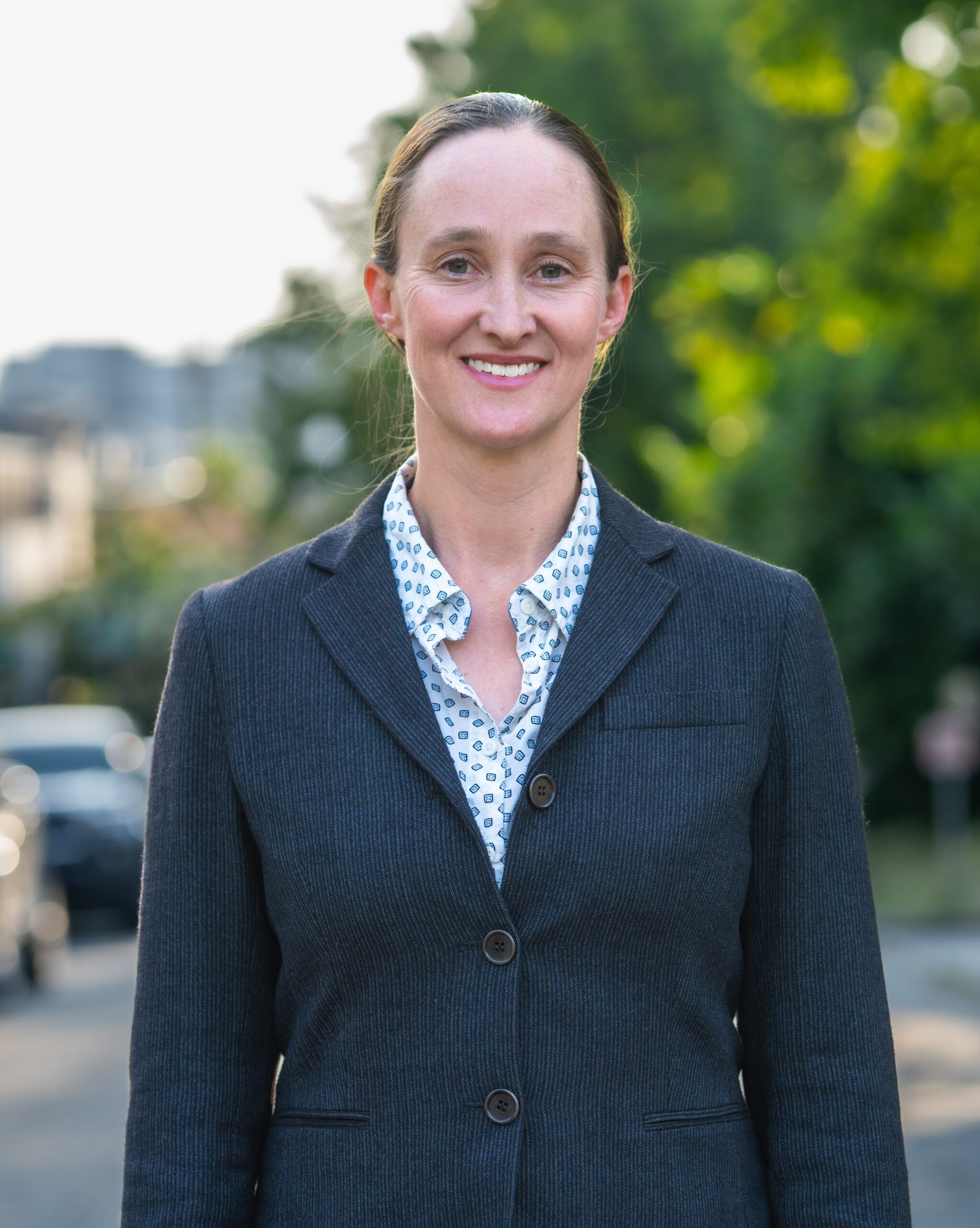
The enforcement plan focuses on Little Saigon, the eastern section of Seattle’s Chinatown-International District, and nearby parts of North Beacon Hill. City officials have long identified the 12th and Jackson area as one of Seattle’s most persistent public safety trouble spots.
“We will no longer tolerate open-air drug sale and use and vending stolen goods,” Wilson said. She said officers will speak directly with people involved in those activities and make clear that the behavior is no longer allowed.
The city said people who continue could be booked into jail or referred to the LEAD diversion program. LEAD connects eligible people to case management, treatment support, and other services rather than relying solely on prosecution.
Wilson said Seattle must disrupt drug dealing, public disorder, and other illegal activity that have destabilized the community.
Businesses Have Reported Years of Disorder
Little Saigon is home to restaurants, markets, social service groups, and immigrant-owned businesses. Many owners and residents have said public disorder has made the area harder to visit, work in, and live near.
Community members have described sidewalks blocked by illegal vending, people using drugs in public, and suspected stolen goods sold openly. Businesses have said those conditions discourage customers and create safety concerns for workers.
The neighborhood has also become part of a larger Seattle debate over homelessness, addiction, retail theft, and public drug use. City leaders have faced pressure to improve safety without relying only on arrests. Wilson said the community had worked for years to respond, but city leaders had failed to act with enough focus and determination to create lasting change.
Arrests Rose as Diversion Referrals Fell
The announcement followed an April 28 public safety discussion where officials reviewed conditions in Little Saigon. Data reviewed during that meeting showed Seattle police arrests for drug use and possession rose from 633 in 2024 to 942 in 2025.
That marked a 47% increase. During the same period, post-arrest referrals to LEAD fell by 30%.
The gap between more arrests and fewer diversion referrals has become a key policy issue. Officials now have to show whether stronger enforcement can reduce public disorder while still connecting people to treatment and case management.
Wilson described the new approach as data-driven and evidence-based. She said the goal is to end the perception that illegal activity in Little Saigon and North Beacon Hill is acceptable.
City Adds $1.1 Million for Services.
The mayor’s office said $1.1 million in one-time funding will support services in the targeted area. The money will go toward neighborhood outreach staff, service navigation, mobile overdose treatment and prevention teams, and community activations.
The service funding is designed to support people affected by addiction and homelessness while improving access to streets and sidewalks. Officials said the city wants to help people get treatment while also restoring public safety.
The approach places Seattle in a difficult position. Residents want visible change. Business owners want customers to return. Service providers want treatment and housing resources. Police are being asked to address illegal activity without simply cycling people through jail.
Wilson’s plan attempts to combine those priorities, but the city has not said how long the operation will last.
Transit Stops Remain Part of the Safety Fight
The area around 12th and Jackson is also a key transit corridor. Bus access has been a concern for the neighborhood’s safety because riders depend on the stops to reach work, appointments, school, and nearby businesses.
Four bus stops near 12th Avenue South and South Jackson Street returned to service on March 3, 2025, after a safety effort involving law enforcement and social service agencies.
Routes 1, 7, 9, 14, 36, 60, and 106 resumed service at those stops. Officials said the goal was to restore access for riders while continuing safety work in the area.
Wilson’s announcement specifically mentioned sidewalks and transit stops. That signals the city is treating the issue as both a crime concern and an access problem for residents, workers, and riders.
Community Leaders Asked for Sustained Action
Little Saigon advocates have pushed city leaders for a broader public safety response. Community groups previously called for more patrols, outreach, treatment access, business support, environmental improvements, and action against illegal drug sales and stolen-goods markets.
A neighborhood safety proposal released by local leaders called for stronger coordination between city agencies, service providers, and community groups. The plan also called for more attention to parks, alleys, public spaces, and struggling businesses.
Those requests reflected frustration with short-term cleanups and temporary enforcement efforts. Residents and business owners have said the neighborhood needs steady city attention, not brief operations that fade after a few days.
The new crackdown now gives the mayor’s office a direct test. Officials must demonstrate whether the city can maintain public spaces for use after police leave the block.
The city has not released a specific timeline for the Little Saigon and North Beacon Hill enforcement push. Wilson’s office said police personnel will increase in the area while outreach and overdose prevention services expand.
The mayor has not announced when the city will report results from the operation. Residents and business owners are expected to judge the plan by visible changes near 12th and Jackson, including fewer open-air drug scenes, clearer sidewalks, safer transit access, and less illegal vending.
For now, Seattle’s latest position is clear: public drug activity and stolen-goods vending will no longer be treated as routine conditions in Little Saigon.