A fast-moving wildfire northeast of Spokane turned a dangerous weather day into a frightening evacuation emergency, sending residents scrambling from neighborhoods near Upriver Drive as flames pushed toward homes, power lines, water infrastructure, and recreation areas. The Upriver Fire broke out Tuesday, June 16, near the Camp Sekani and Beacon Hill area, and quickly grew as strong winds, dry grass, brush, and timber gave the flames room to run.
By Wednesday, emergency officials were still working to assess the full extent of the damage. Some homes and structures had already been lost, while evacuation orders remained a central concern for families trying to learn whether they could safely return. What began as a brush fire became a wider Spokane County crisis within hours.
At one point, reports placed more than 11,000 people under evacuation orders, while later updates focused on roughly 1,500 residents in the most urgent evacuation area. That difference shows how fast-moving wildfire emergencies can shift as maps are updated, neighborhoods are reassessed, and officials separate broader warning zones from direct “leave now” areas.
For Spokane residents, the most painful part was not the acreage number. It was the speed. A fire that starts after noon can threaten neighborhoods by midafternoon. A familiar road can become an evacuation route. A home can move from safe to surrounded in the time it takes the wind to change direction.
Homes, Roads, Trails, and Daily Life Were Suddenly in the Fire Zone
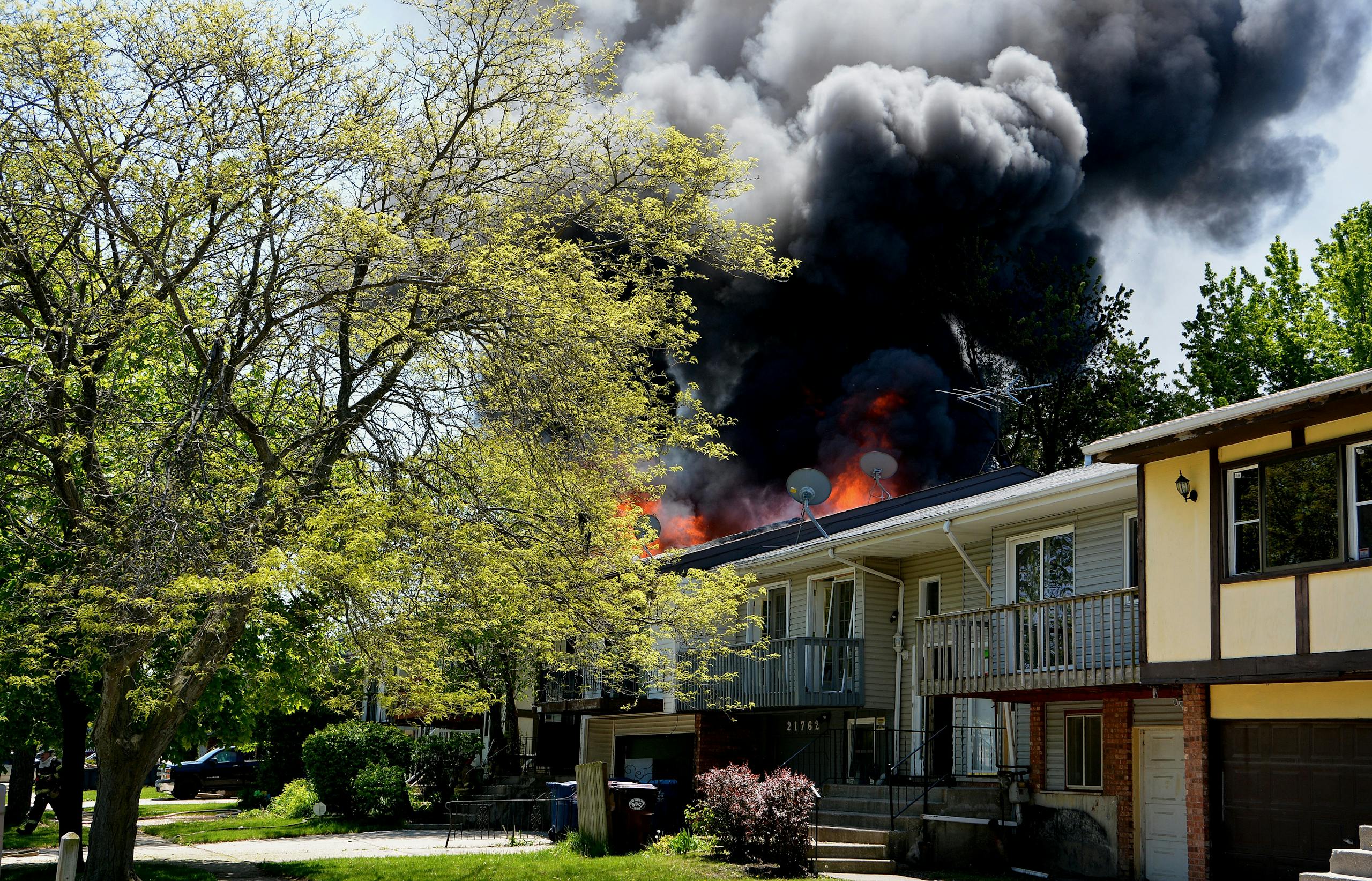
The Upriver Fire struck an area where outdoor recreation, residential life, and critical infrastructure are closely located. Camp Sekani, Beacon Hill, Upriver Drive, Bigelow Gulch, Felts Field, the Spokane River corridor, and nearby neighborhoods are not remote wilderness to many locals. They are part of everyday Spokane life.
That made the emergency feel personal. Residents were not watching the smoke from far away. They were watching aircraft drop water and retardant near places where families hike, bike, drive, commute, and live. Fire crews from local districts, state agencies, and neighboring areas moved in as the fire threatened hundreds of homes and key infrastructure.
Officials said the fire was burning through grass, brush, and timber. That mix matters. Grass can carry flames quickly, brush can intensify heat, and timber can sustain fire even after the visible front has slowed. When those fuels sit near homes, the danger moves beyond forest management and becomes a neighborhood survival issue.
The evacuation area also created practical problems. People needed to move cars, pets, medications, documents, work equipment, and family members quickly. Some had minutes to respond. Others waited just outside evacuation zones, packed and watching the sky.
Red Flag Conditions Made Spokane’s Fire Danger Worse
The Upriver Fire did not happen on an ordinary weather day. Spokane County was under a Red Flag Warning on June 16, with strong winds, low humidity, and warm temperatures creating conditions conducive to extreme fire behavior. Winds were expected to reach 15 to 30 mph, with gusts between 40 and 50 mph, while relative humidity dropped into dangerously low ranges.
Those numbers explain why the fire moved so aggressively. Low humidity dries out grasses and vegetation. Wind feeds flames with oxygen and pushes embers ahead of the main fire line. Warm temperatures help fuels ignite more easily. Together, they create the kind of fire day when firefighters are forced into a defensive fight.
This is why officials repeatedly urge residents to avoid evacuation zones and to stay off nearby roads and bodies of water during air operations. A wildfire response depends on access. When people drive toward smoke, pause to take photos, or remain inside “go now” areas, they can block engines, slow aircraft coordination, and put firefighters in a worse position.
For Spokane County, the Upriver Fire was a sharp reminder that wildfire risk is no longer limited to deep forests or remote mountain communities. It can arrive at the edge of a city, threaten suburban neighborhoods, and disrupt ordinary routines in one afternoon.
Why the Upriver Fire Spread So Fast Near Spokane
The fire’s behavior followed a dangerous pattern common in wind-driven wildfires. First, flames found dry fuel. Then the wind pushed the fire uphill. After that, a shift in wind direction sent the fire toward developed areas. Once homes and roads entered the path, the emergency became more complicated.
Uphill fire movement is especially dangerous because heat rises, preheating vegetation above the flame front. That allows the fire to climb faster than many people expect. When wind aligns with the slope, flames can accelerate sharply, giving residents and crews less time to react.
The Spokane area also has a patchwork landscape where neighborhoods meet open space. That boundary, often called the wildland-urban interface, is where many modern wildfire disasters become costly. Homes may sit close to dry grass, trees, fences, decks, sheds, utility lines, and vehicles. Each item can become part of the fire’s path.
This is why one destroyed home is never just one destroyed home. It can mean displaced families, insurance claims, damaged utilities, school and work disruption, smoke exposure, traffic closures, and emotional trauma for an entire neighborhood.
Evacuation Levels Became the Language of Survival
During the Upriver Fire, Spokane County residents faced Level 2 and Level 3 evacuation notices. These warnings are not casual suggestions. They are designed to give people a clear path from awareness to action.
Level 1 means get ready. Residents should prepare to leave, gather essentials, and closely monitor official updates. Level 2 means get set. Dangerous conditions are close enough that people should be ready to leave quickly, especially if they have children, elderly relatives, pets, livestock, medical needs, or transportation challenges.
Level 3 means go now. It means there is an immediate threat to safety, and emergency services may not be able to help people who stay behind. Residents may not be allowed back until officials decide conditions are safe.
For many families, the most difficult moment comes before the order is issued. People wonder whether to wait, pack more, check on neighbors, move animals, leave work, or overreact. The Upriver Fire showed why waiting too long can be dangerous.
The Spokane Fire Response Brought Aircraft, Engines, Dozers, and Multi-Agency Crews
The firefighting response quickly expanded as the Upriver Fire grew. Crews used ground resources, aircraft, dozers, and coordinated support from local and state agencies. Air tankers and water drops became highly visible signs of the emergency, while crews worked on ground-based structure protection and containment.
That kind of response is expensive, exhausting, and highly coordinated. Aircraft need safe airspace. Engines need road access. Dozers need workable terrain. Crews need reliable communication. Emergency managers need accurate maps. Residents need clear alerts.
The fire also drew attention from state officials because of the cost and scale of the response. State fire mobilization helps bring additional resources to incidents that exceed local capacity. For residents, that means more crews and equipment can be directed into the fight. For taxpayers, it also shows how expensive one wind-driven fire can become in a developed area.
Wildfire response is not only about putting flames out. It is about protecting evacuation routes, defending homes where possible, keeping firefighters safe, coordinating shelters, updating maps, and preventing the fire from jumping into new neighborhoods.
Spokane Residents Faced the Real Cost Behind Wildfire Headlines
A wildfire headline often begins with the number of acres, containment, and evacuation zones. Residents experience it differently. They think about family photos, pets, medicine, tools, rent, mortgage payments, insurance deductibles, cars, school schedules, and whether smoke will make it hard for children or older relatives to breathe.
For homeowners, a wildfire can expose gaps in preparation. Are gutters clear? Is dry grass cut back? Are tree limbs trimmed away from the roof? Are propane tanks, firewood piles, patio furniture, and sheds too close to the house? These details may feel small until embers begin moving through a neighborhood.
For renters, the challenge can be even harder. Renters may not control landscaping, building materials, or property maintenance. Yet they still face evacuation orders, smoke exposure, property loss, and housing disruption.
For workers, fire emergencies can mean missed shifts, blocked roads, closed businesses, and sudden childcare problems. For seniors or people with disabilities, evacuation can require extra help that must be arranged before flames are nearby. That is why early alerts and preparation matter as much as firefighting equipment.
A Broader U.S. Wildfire Season Is Already Putting Pressure on Communities
The Upriver Fire also fits into a larger national wildfire pattern. Federal fire data showed more than 32,000 fires had already burned more than 3,900 square miles across the United States this year, far above the 10-year average reported for the same period.
That wider picture makes the Spokane fire more than a local emergency. It reflects a growing challenge for communities across the West and beyond: fire seasons are stretching public budgets, insurance systems, emergency crews, power grids, and local governments.
Even when a fire is contained, the costs continue. Burned hillsides can increase erosion. Smoke can affect public health. Power and water systems may need inspections. Roads and trails can remain closed. Families may face months of paperwork before they know what insurance will cover.
The national fire burden also affects resource availability. When multiple states face active fires simultaneously, crews, aircraft, and equipment must be prioritized. That makes early containment critical and local preparation even more important.