The Decatur Street construction closure in New Orleans is no longer a simple infrastructure update. It has become a defining pressure point in one of the city’s most-visited cultural corridors. What began as utility renewal work has evolved into a visible test of how historic districts survive long-term disruption. The closure of LUFU NOLA’s French Quarter location highlights how quickly economic stability can shift when access, visibility, and pedestrian flow break down.
Decatur Street sits at the heart of the French Quarter experience. It connects tourism landmarks, dining corridors, retail clusters, and riverfront movement. When that flow weakens, even temporarily, the impact extends far beyond construction zones. Restaurants, shops, and cultural spaces depend on constant foot traffic, not just for revenue but for relevance.
The current disruption is tied to a Sewerage and Water Board infrastructure project involving century-old water mains. While the work addresses critical public utility needs, its surface impact has reshaped how visitors move, spend, and perceive the corridor. The result is not only physical restriction but also a deeper economic and psychological shift in how the street functions.
The Quiet Disappearance of Business Visibility Along Decatur Street
The most striking feature of the Decatur Street construction closure is not what is blocked, but what becomes unseen. Businesses remain physically present, yet their visibility declines as fencing, barricades, and narrowed walkways reshape pedestrian sightlines. This creates an invisible closure, in which operations continue while public awareness fades.
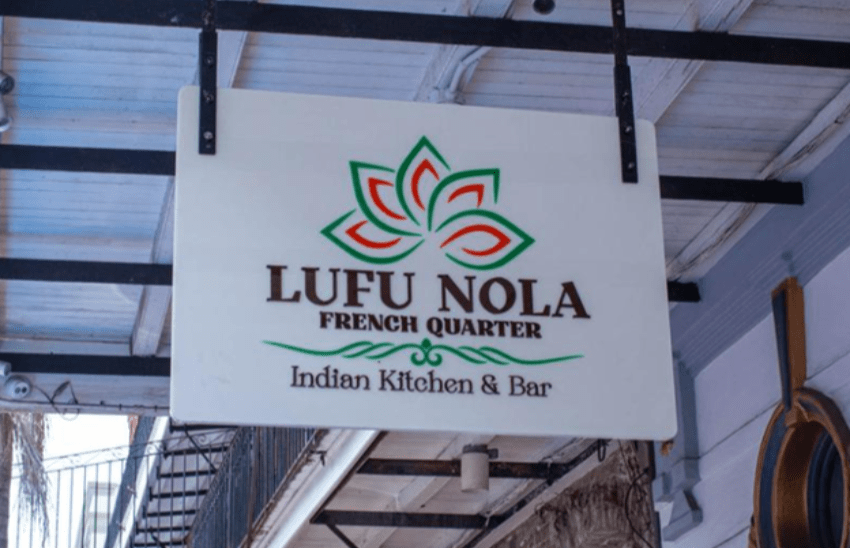
LUFU NOLA’s French Quarter location clearly reflects this condition. The restaurant did not lose its reputation or culinary identity. It maintained recognition, including Michelin Bib Gourmand acknowledgment, yet still faced declining accessibility on Decatur Street. That disconnect reveals how visibility now depends as much on street conditions as on brand strength.
Café Sbisa and Dead on Decatur experienced similar pressure. Both operated in close proximity to active construction zones. As pedestrian traffic thinned, the businesses lost the natural discovery flow that defines French Quarter commerce. Over time, reduced visibility translated into reduced viability.
This pattern shows how infrastructure disruption can quietly erase commercial presence without formal shutdowns. The street remains active in a technical sense, yet parts of it cease to function as economic space.
Tourist Psychology and the Collapse of Spontaneous Foot Traffic
Tourism in the French Quarter relies heavily on spontaneous movement. Visitors rarely follow strict routes. Instead, they respond to visual cues, crowd density, and ease of access. The Decatur Street construction closure disrupts each of these signals at once.
When tourists encounter fencing or narrowed sidewalks, they often interpret the area as inaccessible or less rewarding. This triggers avoidance behavior. Instead of adjusting their route, many choose alternative streets that appear more open and predictable. The decision is rarely conscious. It happens quickly and collectively.
This shift creates what can be described as a collapse of tourist psychology within the corridor. Foot traffic does not gradually decline. It redirects. Entire blocks lose exploratory visitors who would normally stop, browse, and spend. In a pedestrian economy, that loss is significant.
Historical patterns in urban tourism show that accessibility perception often matters more than actual access. Cities undergoing construction frequently report similar behavioral shifts. Once a street is perceived as difficult, recovery requires more than completion of work. It requires rebuilding visitor trust in movement patterns.
The Michelin Paradox and the Limits of Reputation
LUFU NOLA introduces a critical tension in the Decatur Street construction closure narrative. As a Michelin Bib Gourmand-recognized restaurant, it represents a level of culinary credibility that typically strengthens resilience. Under normal conditions, such recognition attracts destination diners seeking specific experiences.
However, the French Quarter’s construction environment reveals a structural limitation of reputation-based resilience. Prestige cannot override physical access constraints when pedestrian movement defines revenue. Even highly regarded establishments depend on uninterrupted visibility and ease of entry.
This creates a Michelin paradox. Recognition increases demand potential, yet construction reduces the ability to convert that demand into visits. The result is a widening gap between reputation and accessibility. That gap becomes unsustainable over time.
Comparable cases in other historic tourism districts show similar outcomes. Award-winning businesses often survive reputational damage but struggle operationally during prolonged infrastructure disruptions. The Decatur Street example reinforces this pattern in a concentrated urban environment.
The Domino Effect Economy of a Single Corridor
The Decatur Street construction closure does not affect businesses in isolation. It creates a cascading economic structure where one closure increases pressure on adjacent operations. This is the essence of a domino-effect economy within pedestrian corridors.
Café Sbisa’s closure reduced the density of destination dining in the area. That reduction weakened evening foot traffic. Lower foot traffic then affected retail businesses that depended on casual walk-ins. Each step compounds the next, creating a downward commercial chain reaction.
LUFU NOLA’s closure contributes further to this cycle. As another recognizable dining option exits the corridor, the street’s overall attractiveness diminishes. Visitors increasingly bypass the area in favor of uninterrupted blocks nearby. This rerouting reinforces the decline.
Economic studies of pedestrian districts consistently show that cluster density matters more than individual business strength. A street thrives when multiple complementary businesses reinforce each other. When that cluster weakens, recovery becomes significantly more difficult, even after construction ends.
Infrastructure Necessity Versus Commercial Fragility
The Sewerage and Water Board project underlying the Decatur Street construction closure addresses critical infrastructure needs. Replacing aging water mains ensures long-term safety and reliability for one of the oldest urban districts in the United States. Such upgrades are not optional.
However, the execution period creates a conflict between public necessity and commercial continuity. The French Quarter depends heavily on an uninterrupted flow of tourists. Even short-term disruptions can translate into measurable revenue losses for small businesses operating on thin margins.
This tension is not unique to New Orleans. Historic cities worldwide face similar challenges when updating essential infrastructure in tourism-heavy zones. The difference lies in intensity. Decatur Street combines high visitor density, narrow geography, and heavy cultural reliance on pedestrian movement.
As a result, even necessary improvements carry amplified economic consequences. The longer the disruption continues, the more difficult it becomes for businesses to maintain stability.
Cultural Continuity Under Pressure
Decatur Street is more than a commercial corridor. It is part of the cultural identity of the French Quarter. Restaurants, shops, and street activity contribute to the lived experience of New Orleans tourism. When that rhythm is interrupted, the cultural fabric becomes uneven.
Visitors expect continuity in experience. They expect walkable streets, visible storefronts, and consistent activity. Construction alters that expectation. The experience becomes fragmented. This affects not only spending patterns but also emotional connection to the area.
LUFU NOLA’s presence on Decatur Street contributed to that cultural mix. Its departure removes one layer of culinary diversity from the corridor. Café Sbisa’s closure removes a historic dining anchor. Dead on Decatur removes a retail touchpoint. Together, these changes shift the street’s identity.
Cultural corridors depend on repetition and familiarity. When that continuity breaks, the sense of place becomes less stable. Recovery requires both physical restoration and cultural reactivation.
Rebuilding Trust in a Post-Construction Environment
When infrastructure work concludes, Decatur Street will regain physical accessibility. Barricades will be removed, and sidewalks will reopen. However, economic recovery depends on more than construction completion. It depends on restoring visitor trust in the corridor’s usability.
Tourists must relearn movement patterns. Businesses must rebuild visibility. Foot traffic must reestablish its natural loops. These processes take time and coordinated effort. Without deliberate recovery strategies, streets can remain economically weakened long after construction ends.
Marketing campaigns, signage improvements, and coordinated business support often play a critical role in post-construction recovery. In tourism-dependent districts, perception recovery can lag behind physical reopening by months or even years.
The Decatur Street construction closure, therefore, represents both a temporary disruption and a long-term test of resilience. The outcome will depend on how effectively the corridor transitions from a construction zone back to a cultural destination.
Final Thought
The Decatur Street construction closure reveals a deeper reality about historic urban economies. Streets do not only function as physical spaces. They function as perception systems shaped by movement, visibility, and continuity.
When those systems fracture, the damage extends beyond infrastructure into identity itself. The question that remains is not only when construction will end, but whether the street that returns will still feel like the one that once defined the French Quarter experience.