Texas diners are still finding large plates at familiar restaurants, even as eating out keeps getting more expensive nationwide. The USDA expects restaurant prices to rise 3.5% in 2026. That keeps pressure on families, workers, and travelers who already feel squeezed at the table.
The National Restaurant Association projects nationwide restaurant sales at $1.55 trillion this year. That shows Americans are still dining out, but many are watching value more closely.
In Texas, value is often measured before the first bite. Diners look at the plate, the sides, the price, and the leftovers. These eight Texas restaurants show why big portions still matter.
Babe’s Serves Family Tables
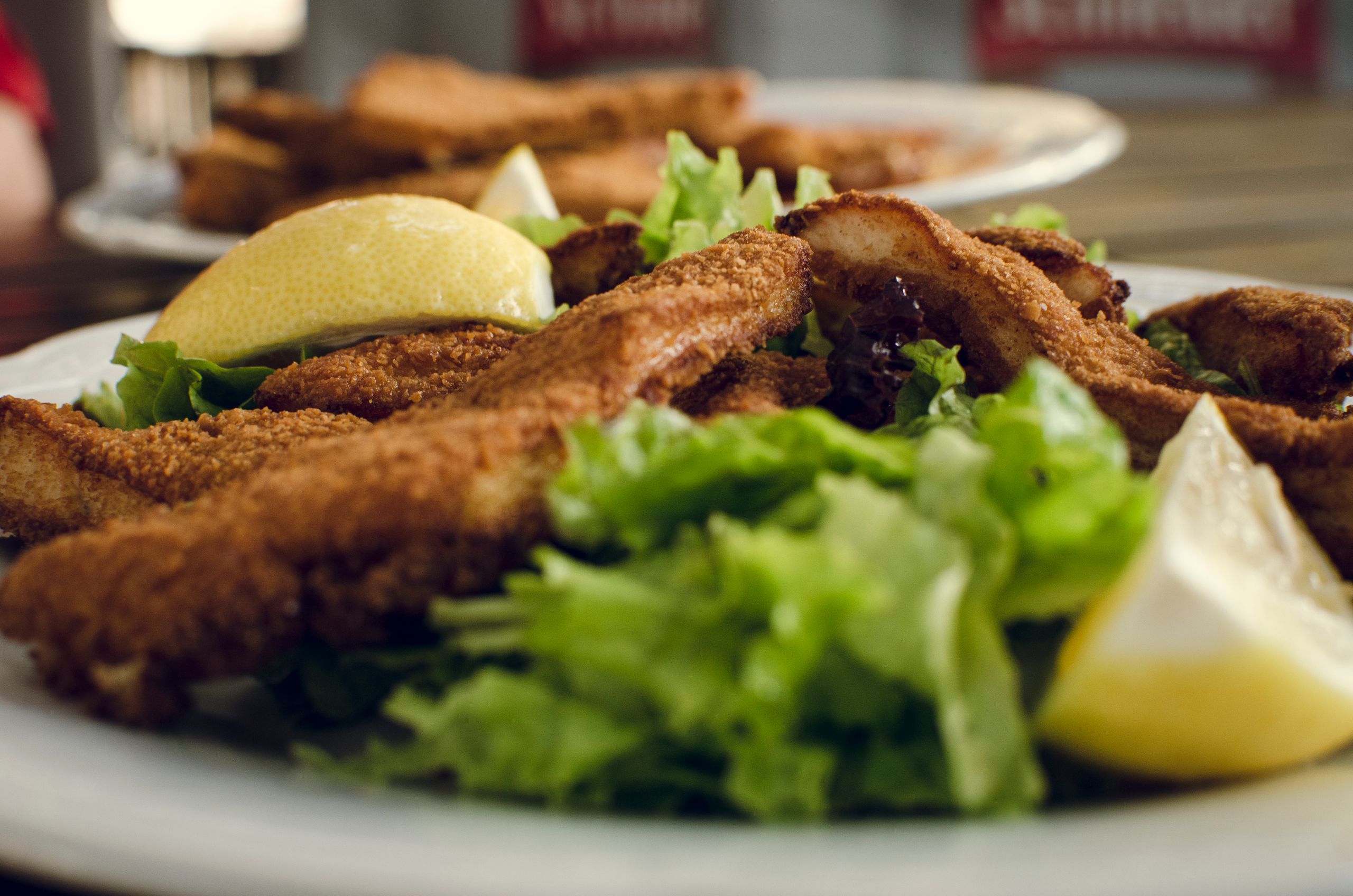
Babe’s Chicken Dinner House remains one of North Texas’s clearest examples of portion-first dining. The company’s Garland menu says its meals are served as “big ol’ helpings” family style. The plates come with house salad, green beans, corn, mashed potatoes, biscuits, and cream gravy.
That model speaks directly to Texas diners. A customer does not pay for fried chicken or chicken-fried steak alone. The whole table gets fed.
Babe’s operates across the Dallas-Fort Worth area. Its locations include Garland, Carrollton, Frisco, Roanoke, Arlington, Cedar Hill, Burleson, Granbury, and North Richland Hills. In other states, comfort food can arrive trimmed and separated. Babe’s keeps the meal heavy, shared, and direct.
Blue Bonnet Loads Breakfast
Blue Bonnet Café in Marble Falls gives the Texas Hill Country a strong place in the portion debate.
The café promotes pancakes as big as the plates. It also highlights eggs, biscuits, Texas toast, and breakfast served all day. That matters because breakfast is one of the easiest meals to cut back on. A restaurant can cut portions, raise prices, and still call it a classic.
Blue Bonnet does not lean on that shortcut. It has built its name around full plates, pies, and old-school café service. The restaurant opened in 1929 and still draws locals and travelers. Its long history gives the portion story a Texas business backbone.
Salt Lick Sells Abundance
The Salt Lick BBQ in Driftwood and Round Rock makes a stronger case than almost any Texas barbecue name. Its Driftwood menu lists an all-you-can-eat family-style meal with beef brisket, sausage, pork ribs, potato salad, coleslaw, and beans. Bread, pickles, and onions come on request.
That is not a small barbecue plate. It is a full Texas meal built for groups. The restaurant’s official menu lists family-style barbecue at $33.95 per person. That gives diners a clear price before they sit down.
In many places, barbecue has become expensive and cautious. The Salt Lick still treats barbecue like a table event.
Joe T. Garcia’s Feeds Groups
Joe T. Garcia’s in Fort Worth keeps Tex-Mex tied to family-style dining. The restaurant’s menu lists a family-style dinner with cheese nachos, cheese enchiladas, rice, beans, beef tacos, guacamole, and corn tortillas.
That kind of menu works because Tex-Mex is not supposed to feel thin. A plate without rice, beans, tortillas, and sauce feels incomplete to many Texas diners. Joe T. Garcia’s has long served as a Fort Worth institution. Its patio, historic setting, and simple menu keep the focus on volume and tradition.
Other states may serve cleaner, smaller Tex-Mex plates. Fort Worth still has a restaurant where the table matters as much as the entrée.
Matt’s Keeps Austin Full
Matt’s El Rancho in Austin gives the list a capital-city anchor. The restaurant is known for Tex-Mex, large plates, and the Bob Armstrong Dip. That starter mixes queso, taco meat, guacamole, sour cream, and pico de gallo.
At many restaurants, an appetizer is a small warm-up. At Matt’s, it can feel like a serious part of the meal.
That matters in Austin, where dining has become more expensive and competitive. Longtime restaurants must prove they still give customers a reason to return. Matt’s does that by combining history, flavor, and size. The meal feels rooted in Texas, not shaped by trend culture.
Mi Tierra Carries San Antonio
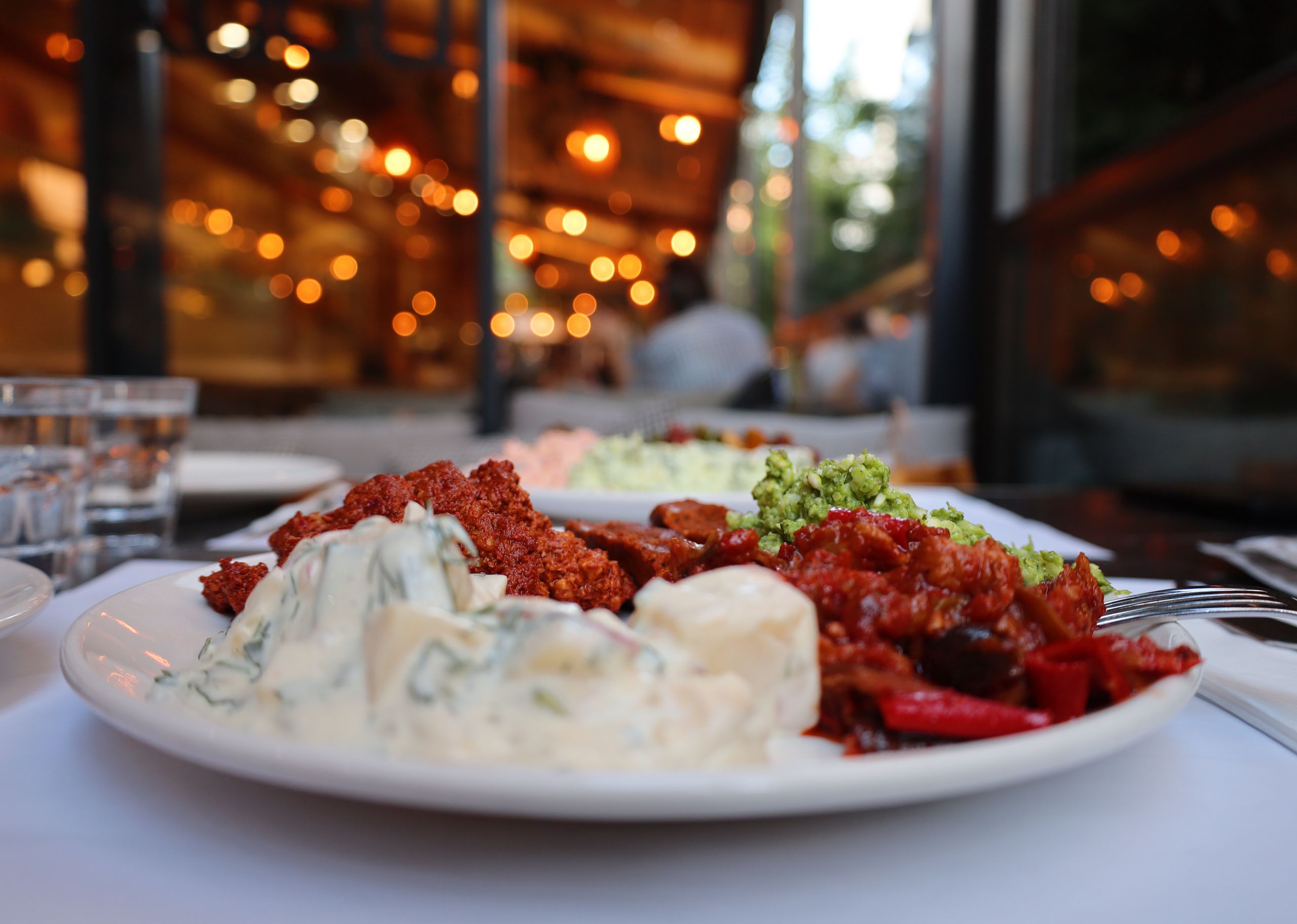
Mi Tierra Café y Panadería gives San Antonio its place in the story. The Market Square restaurant ties Tex-Mex portions to culture, history, and daily local traffic. Its menu includes breakfast plates, enchiladas, tacos, bakery items, and full Tex-Mex meals.
The point is not only size. It is the feeling that the plate belongs to the city. San Antonio’s food culture rewards restaurants that feed people with color, memory, and comfort. A small plate at a high price does not carry the same force.
Mi Tierra keeps its appeal by turning a meal into a local experience. That makes its portions part of a larger Texas identity.
Pappadeaux Pushes Seafood Value
Pappadeaux Seafood Kitchen gives Houston a major role in the portion argument. Seafood can become one of the stingiest categories at restaurants. Diners often pay more for smaller plates, especially in coastal markets.
Pappadeaux pushes against that image. The company says it is known for festive service, freshness, and generous portions.
Its menu includes gumbo, fried seafood, crawfish, fish, oysters, shrimp, and Cajun-style dishes. Those meals help explain why Houston seafood can feel more filling than seafood in pricier cities. For Texas diners, seafood still has to look like dinner. Pappadeaux understands that test.
Hutchins Holds North Texas
Hutchins BBQ in McKinney and Frisco shows that suburban Texas still expects serious barbecue. The restaurant promotes smoked brisket, ribs, catering, Texas Twinkies, and delivery from its North Texas locations. Its brand has grown while keeping the local barbecue identity intact.
That matters because suburban families are watching restaurant bills closely. Parents, workers, and commuters want meals that feel worth the drive and the cost.
A barbecue tray cannot look weak in Texas. Diners know brisket, sausage, ribs, and sides well enough to judge quickly. Hutchins stays relevant because it treats barbecue as a full meal. That gives North Texas diners the value they expect.
Diners Still Track Value
The portion debate is really about trust. Restaurant operators face higher labor, rent, food, utility, insurance, and supply costs. Customers face higher checks, larger tip prompts, and tighter household budgets.
That tension shows up on the plate. If the meal looks smaller, the price feels harsher. Texas restaurants that keep portions generous give diners a visible reason to return. They make the receipt easier to accept because the food feels real.
These eight restaurants do not serve the same cuisine. They cover chicken, breakfast, barbecue, Tex-Mex, seafood, and suburban smokehouse dining. But they all support the same Texas rule. A meal should arrive as if the restaurant respected the customer’s hunger.
As of 2026, the latest price forecasts still point upward for restaurant meals. That means portion size will remain part of the value test. For Texas diners, the question is simple. If the bill keeps growing, the plate needs to show up too.