In 2026, the American dining experience has crossed a psychological line that customers can clearly feel: the “quick, cheap meal” is no longer guaranteed.
Across major chains, the average single meal now ranges from $10 to $30, depending on location, upgrades, and drinks. Even fast food, once a symbol of affordability, now regularly costs $12–$15 per combo meal in urban markets.
Inflation has played a role, but the deeper shift is behavioral. Customers are no longer just reacting to higher prices; they are actively recalculating value in real time, comparing every receipt against grocery store costs, app deals, and competitor menus.
The result is a quiet but powerful consumer shift: fewer visits, smaller orders, and more stay-at-home substitution meals.
Why Chain Restaurant Fatigue Is Peaking in 2026
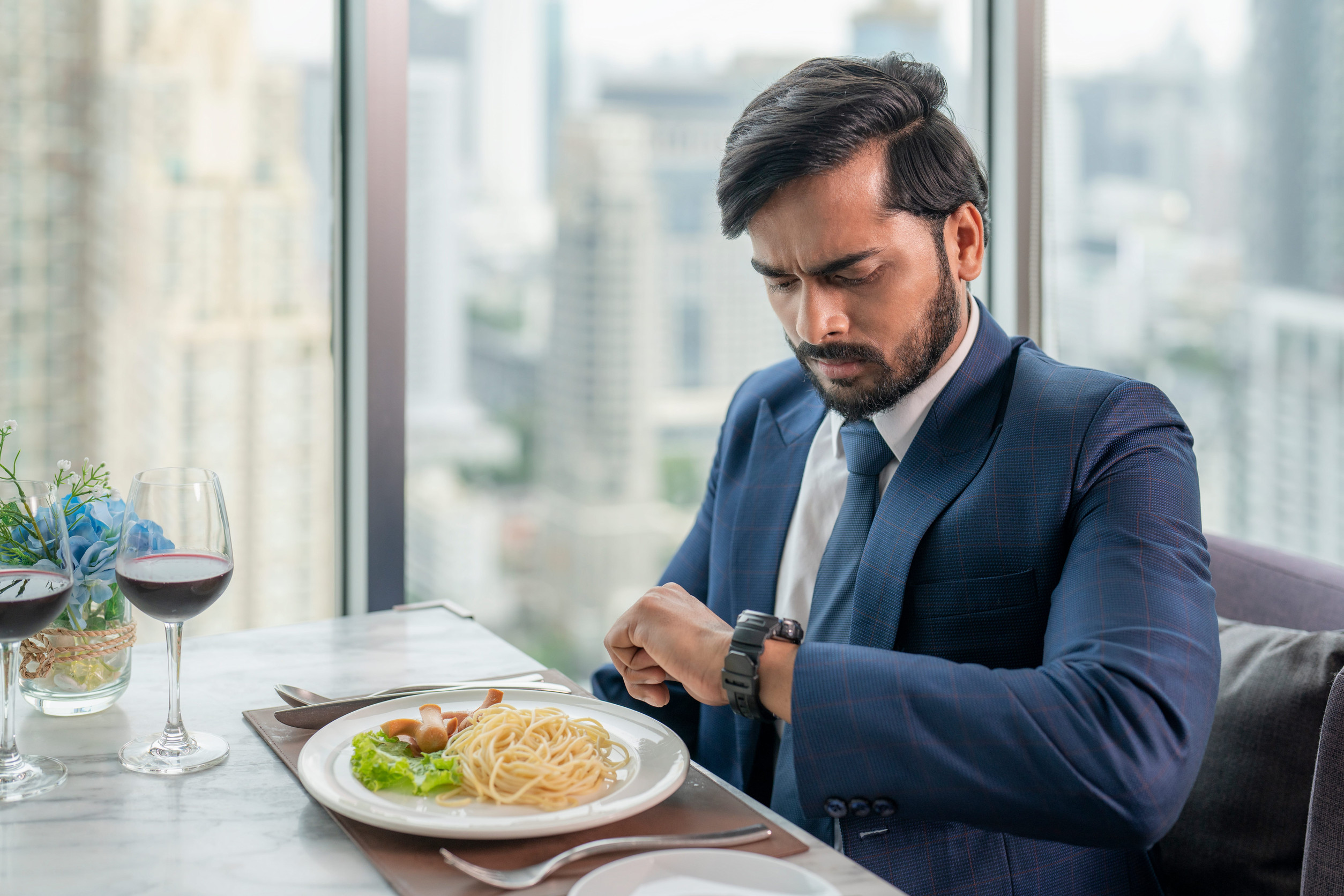
Across the U.S., food-away-from-home prices have continued rising at roughly 3%–4% annually, while wages and grocery inflation have not moved in perfect alignment. That gap matters because restaurant visits are discretionary, not essential.
A typical customer now evaluates multiple spending scenarios at once. A $15 fast-food combo competes mentally with a $20–$25 casual-dining entrée, a $7–$9 specialty coffee, and even a $50–$80 family-meal outing.
That comparison is no longer occasional; it is constant. Every order is judged against a mental scoreboard that blends grocery prices, app discounts, and past restaurant memories.
The key shift is that value perception has collapsed faster than menu design has adapted. Many chains still sell “cheap food identities” built in the 1990s and 2000s, while charging 2026 prices.
That mismatch is driving what analysts increasingly call value shock fatigue.
The New Consumer Decision Loop
Before a customer even places an order, a structured mental process now unfolds. First comes the restaurant menu price, followed immediately by a memory check of what that same meal used to cost years ago. That memory creates an emotional benchmark that influences everything that follows.
Next comes a comparison with grocery store alternatives. Many customers now mentally calculate how many meals they could prepare at home for the same amount of money spent on a single restaurant visit.
After that, app deals and coupons enter the equation. Customers actively search for discounts, bundles, or loyalty rewards that can reduce the perceived gap between “too expensive” and “acceptable.”
Finally, the customer projects the total bill, including tax, drinks, and add-ons, before making a decision. At that point, the question becomes simple: Does this feel worth it?
If the answer is yes, the order is placed. According to AP News, as prices remain high, many consumers are responding by choosing store-brand items instead of name brands, shopping at discount stores, or skipping purchases altogether. This type of consumer pushback plays out thousands of times daily across the United States, shaping demand patterns more than traditional advertising.
McDonald’s: The Symbol of Fast-Food Inflation
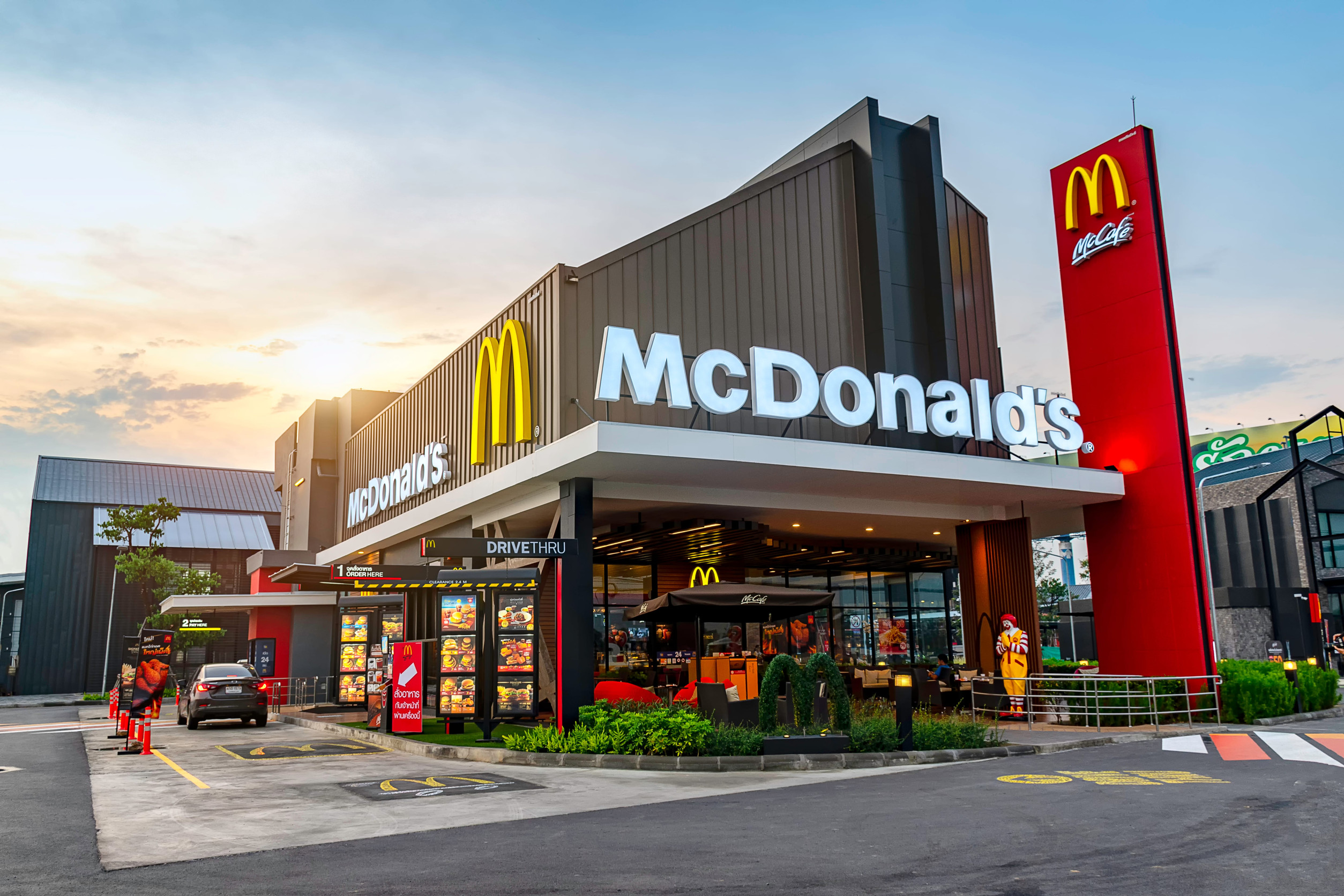
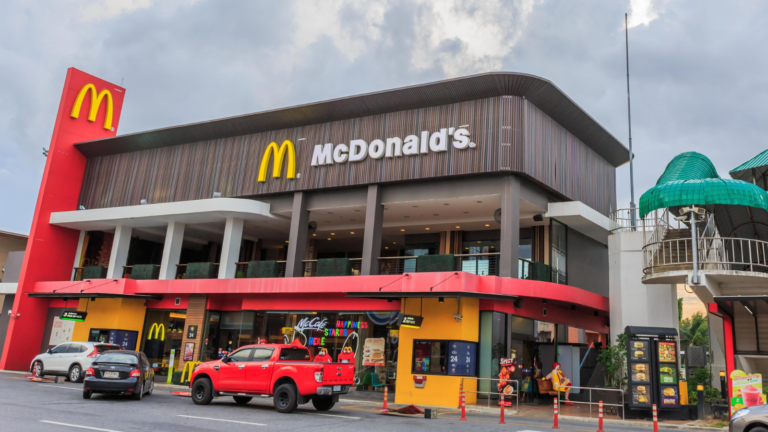
McDonald’s remains the most recognized fast-food chain in the world, but it has also become the most cited example of menu shock.
In many U.S. cities, combo meals now frequently fall in the $10–$15 range, especially when upgraded with sandwiches or large drinks. That places McDonald’s closer to casual-dining pricing than to its historical budget identity.
The chain has responded with app-exclusive deals and bundled offers, which now account for an estimated 20%–30% of promotional traffic in major markets. However, this creates a split customer experience: discount users versus full-price buyers.
The result is a perception gap. Customers no longer see McDonald’s as universally cheap—they see it as cheap only if you know how to buy it.
Subway: From $5 Footlong Memory to $15+ Reality
Subway’s biggest challenge is not pricing alone; it is nostalgia.
The brand’s legacy of the $5 footlong era still shapes expectations. According to AP News, McDonald’s reports that the average U.S. Big Mac now costs $5.29, up from $4.39 in 2019, which is a 20.5 percent increase, and the company calls instances of $18 meal prices an exception rather than the norm.
Even when portion sizes remain consistent, customers often perceive less value because the reference point has not changed. Subway is now fighting a branding problem disguised as a pricing issue.
Five Guys: Premium Burgers at $20+ Entry Point
Five Guys continues to stand out for its generous portions and fresh-preparation style, but its cost structure places it firmly in the premium fast-casual category.
A standard burger, fries, and drink frequently exceeds $20 per person, with some city locations pushing closer to $25 after tax and customization.
According to a report from The Grocer, Five Guys has introduced a nationwide loyalty programme designed to reward both new and returning customers, reflecting efforts to maintain strong customer loyalty even as pricing structures may affect how often people visit the restaurant.
The chain’s strength in large portions is also what makes the price feel justified, but not necessarily frequent.
Chipotle: The Bowl That Can Reach $20 Without Warning
Chipotle remains one of the most influential fast-casual brands in the U.S., but pricing perception has shifted sharply.
A standard burrito bowl with protein, guacamole, and a drink can reach $18–$22, depending on location and add-ons.
What makes Chipotle unique is not just price; it is expectation management. Customers closely watch portion consistency, and even small changes in serving size can trigger strong reactions online.
Industry discussions consistently show that a large share of complaints relate to portion perception rather than price alone, reinforcing how closely value and volume are tied.
Olive Garden: Family Dining Bills Now Reach $100+ Per Table
Olive Garden remains a leading casual dining brand and now offers these value-oriented options to address consumer concerns about volume and overall value.
A typical meal with entrée, drink, and tax often lands between $20 and $30 per person, meaning a family of four can easily exceed $100 for a single visit.
Unlimited breadsticks still provide perceived value, but customers increasingly evaluate the total bill rather than the extras.
The shift is subtle but important: Olive Garden is no longer viewed as cheap family dining but as an affordable special-occasion destination.
Starbucks: The $6–$9 Coffee That Became a Daily Budget Item
Starbucks has moved far beyond being a coffee stop; it is now a daily micro-luxury.
Specialty drinks typically range from $6 to $9, and breakfast pairings can push a single visit to $12–$15 or more.
If repeated five times per week, that amounts to $250–$350 per customer per month, turning coffee into a significant lifestyle expense.
As a result, more customers are shifting to at-home brewing, especially in suburban and commuter-heavy markets where price sensitivity is higher.
Buffalo Wild Wings: $30–$50 Game Night Experience
Buffalo Wild Wings has benefited from sports culture, but pricing pressures are reshaping the experience.
A meal for two, including wings, sides, and drinks, can now easily cost $30–$50, depending on order size and location.
Wing prices have been influenced by fluctuations in poultry supply and logistics costs, with chicken wing prices rising significantly during recent inflation cycles.
This makes casual game night dining increasingly comparable to a sit-down restaurant experience rather than a budget outing.
IHOP: Breakfast No Longer Automatically Means Cheap
Breakfast chains once held a strong affordability advantage, but that gap is narrowing.
A standard IHOP breakfast with eggs, bacon, pancakes, and coffee now often lands between $15 and $20 per person, especially in urban or tourist-heavy areas.
Egg price volatility, labor costs, and supply chain pressure have contributed to sustained breakfast inflation over recent years.
As a result, weekend breakfast outings are becoming less routine and more occasional.
The Bigger Shift: Customers Are Not Leaving, They Are Strategically Reducing Visits
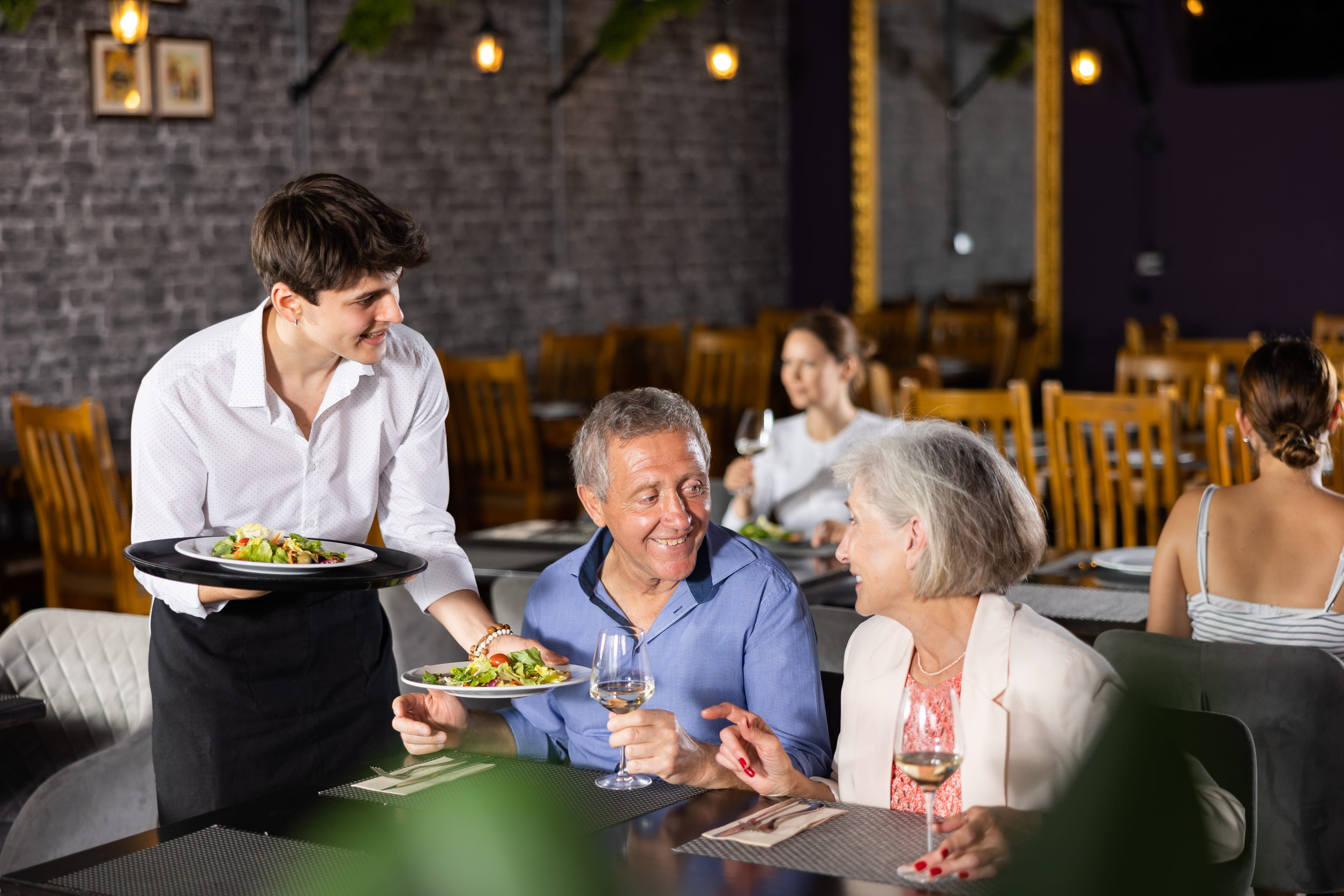
The most important trend is not abandonment. It is optimization.
According to S&P Global, while consumers are visiting chains less often, taking advantage of app-only promotions, choosing prepared foods from grocery stores over restaurant meals, and opting for single-item purchases rather than full meals, these changes do not signal a collapse in demand. Instead, analysts expect sales across much of the industry to remain steady, with rising costs and shifting consumer choices affecting earnings. It is a recalibration of spending behavior.
Final Outlook: Value, Not Price, Will Decide the Winners
Chain restaurants are no longer competing only on taste, speed, or brand loyalty. They are competing on perceived fairness.
In a market where a burger can cost $6 or $16, depending on location and upgrades, clarity matters more than ever.
The chains that succeed in 2026 will not necessarily be the cheapest. They will be the ones who make customers feel that every dollar spent still delivers a clear, predictable, and satisfying return.