A 17-year-old in Ventura is facing serious charges after police say a targeted traffic enforcement operation turned into a dangerous electric motorcycle chase through public spaces, sports fields, and a high school campus.
The arrest has pushed one uncomfortable question back into the spotlight: how many powerful electric motorcycles are being treated like toys until police, parents, or bystanders are forced to deal with the consequences?
According to Ventura police, the incident began near the Ventura Aquatic Center, an area where officers had already been responding to neighborhood complaints about reckless riding on e-bikes and e-motorcycles. What followed, police said, was not a harmless teenage ride. It was a pursuit that crossed areas where children were playing, athletes were practicing, and traffic was moving.
Ventura Police Targeted Reckless E-Bike Riding Near Kimball Road
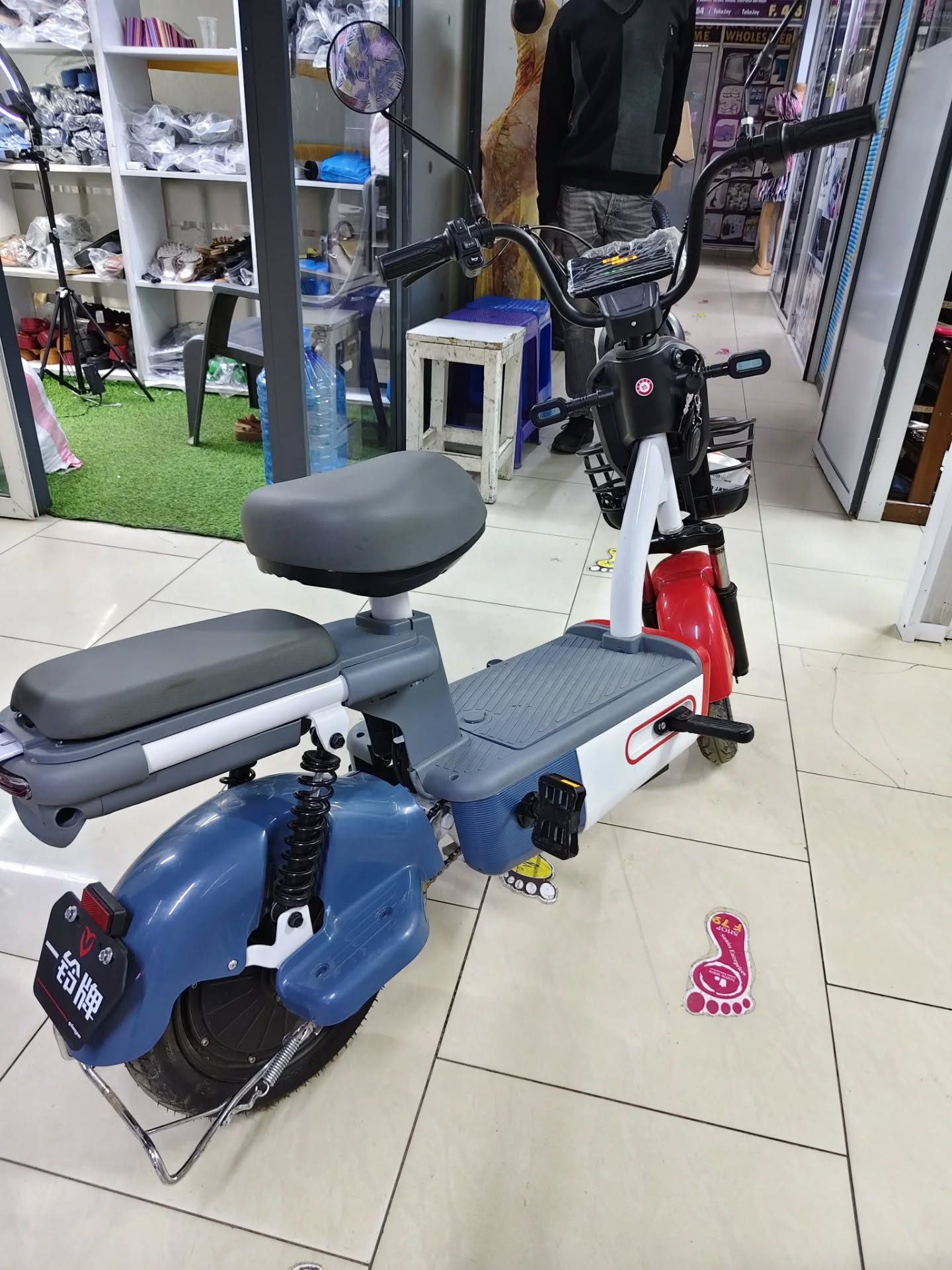
The enforcement operation was focused near Kimball Road, close to the Ventura Aquatic Center and nearby athletic fields. Police said the operation was not random. It came after repeated complaints from residents about riders using high-powered electric bikes and electric motorcycles in ways that created safety concerns.
During the operation, an officer reportedly spotted the teen riding an electric motorcycle across grass fields near the park entrance. That detail matters because the location was neither an open roadway nor a private track. It was a public recreation area where families, children, and athletes could reasonably expect a basic level of safety.
Police said the rider fled when he saw officers. From that point, the case moved from a possible equipment or traffic violation into something much more serious.
Teen Allegedly Rode Through Soccer Fields With Children Playing
Ventura police said the teen cut through soccer fields where children were actively playing. That is the part of the case likely to anger many parents the most. A high-powered electric motorcycle moving through a sports field can turn a few seconds of reckless riding into a life-changing injury.
This was not simply a question of whether an electric bike belongs on a sidewalk or street. Police described a rider moving through active community spaces, then continuing into even riskier areas.
The alleged route also included Highway 126, where police said the rider entered against traffic. Even a short stretch of moving traffic can pose a serious danger to drivers with little time to react, especially when the vehicle approaching them is smaller, quieter, and harder to see than a car.
Buena High School Campus Became Part of the Pursuit
The chase reportedly continued through Buena High School while athletic teams were practicing. That turns the case into more than a traffic enforcement story. It becomes a school-safety story, a youth-accountability story, and a warning about how quickly an illegal ride can reach places packed with students.
High school campuses are not built for motorized chases. Athletic fields, walkways, parking areas, and practice zones are designed around students who move on foot. When a rider enters that space on a fast electric motorcycle, the risk spreads instantly.
Police said officers later found the abandoned e-moto, helmet and clothing in an alleyway. That detail suggests the rider was no longer simply trying to avoid a ticket. Police said he attempted to hide after fleeing.
Police Say The Teen Was Found Hiding In A Pickup Truck
After finding the abandoned vehicle and gear, officers intercepted a white pickup truck as it left the area. Police said the 17-year-old was found attempting to hide inside the vehicle and was arrested.
Authorities have not released the teen’s name because he is a minor. That is standard in many juvenile cases, and it also means the public should be careful not to spread speculation about his identity.
Police also said it remains unclear whether the driver of the white pickup truck will face charges. That part of the investigation matters because assisting someone in hiding after a pursuit could raise separate legal questions, but no charge should be assumed unless officials announce one.
Felony Evading Charge Makes This More Than A Bad Ride
The teen now faces charges that include felony evading, reckless riding, and operating an illegal electric motorcycle. The electric motorcycle was impounded.
That felony allegation is the dividing line many families overlook. A teen may think he is running from a traffic stop, but the legal system may treat the decision as a far more serious act once an officer is actively trying to stop him.
For parents, the message is blunt. A powerful electric motorcycle may look like a cool upgrade from a bicycle, but if it is not street legal and the rider is not licensed, registered, and insured where required, the consequences can move quickly from a warning to an arrest.
Why Illegal Electric Motorcycles Are Confusing Parents
Part of the problem is marketing. Many high-powered electric motorcycles are sold online with language that makes them feel like e-bikes, youth bikes, or recreational devices. To a parent scrolling through product pages, the difference can look small. On the street, the difference can be huge.
California recognizes legal electric bicycles in specific classes. A legal e-bike generally has operable pedals, limited motor power, and speed limits tied to its class. Once a device exceeds those limits or functions more like a motorcycle, it may fall under a different legal category.
That is where families get trapped. A vehicle can be electric and still not be a legal e-bike. A teenager can wear a helmet and still be operating illegally. A bike can be sold to young riders and still require registration, licensing, insurance, or equipment before it can be used on public roads.
The E-Bike Law Line Parents Need To Understand
California’s legal e-bike framework generally separates low-speed electric bicycles from motorcycles and motor-driven vehicles. Class 1 and Class 2 e-bikes are limited to lower-assist speeds, while Class 3 e-bikes can assist at higher speeds but come with additional rules, including age and helmet requirements.
The key issue in many police warnings is not ordinary pedal-assist cycling. It is the rise of powerful e-moto-style machines that look familiar enough to be mistaken for bicycles but perform more like motorcycles.
That distinction affects everything. It can determine whether a rider needs a license. It can determine whether the vehicle needs registration. It can determine whether insurance is required. It can also determine whether a parent may face civil or criminal exposure if they knowingly allow a minor to operate the vehicle illegally.
Ventura Had Already Been Warning Riders Before This Chase
Ventura police had already been addressing concerns about illegal e-bikes and e-motorcycles before this arrest. Earlier enforcement around Ventura Community Park led to multiple citations and the impoundment of electric motorcycles, showing that this was not an isolated complaint from one neighborhood.
City officials have described an education-first approach, including outreach to households and parents. That makes this arrest harder for families to dismiss as a surprise crackdown. Police have been trying to make the rules visible.
The frustration for residents is easy to understand. Parks and school zones are shared spaces. When a small number of riders use them like private stunt routes, the entire community feels the risk.
Parents Could Face More Than A Repair Bill
Ventura police warned that parents and guardians may be held criminally or civilly liable if they knowingly allow an unlicensed minor to operate a motor vehicle. That warning is likely to land hard on households where an expensive electric motorcycle sits in the garage.
Civil liability can mean being financially responsible if someone is hurt or property is damaged. Criminal exposure may result if adults knowingly allow illegal operations. Even when a parent never rides the vehicle, the decision to buy it, ignore the rules, or let a teen use it on public roads can matter.
That is why the safest question is not whether a teenager is skilled enough to ride. The real question is whether the vehicle is legal for the place where it is being used and whether the rider is legally allowed to operate it there.
Why This Case Resonates Beyond Ventura
This story is not just about one Ventura teenager. Across California and the wider United States, cities are wrestling with the same problem: electric mobility is outpacing public understanding.
Families like the convenience. Teens like the speed and freedom. Retailers like the demand. But police departments, schools, and neighborhoods are left to manage the consequences when powerful machines are used where they do not belong.
The Ventura case stands out because the alleged route touched nearly every public safety concern at once. There were children in the fields, traffic on a highway, students and athletes on campus, and an alleged attempt to hide after the pursuit ended.