A Single Steak That Triggered a National Conversation
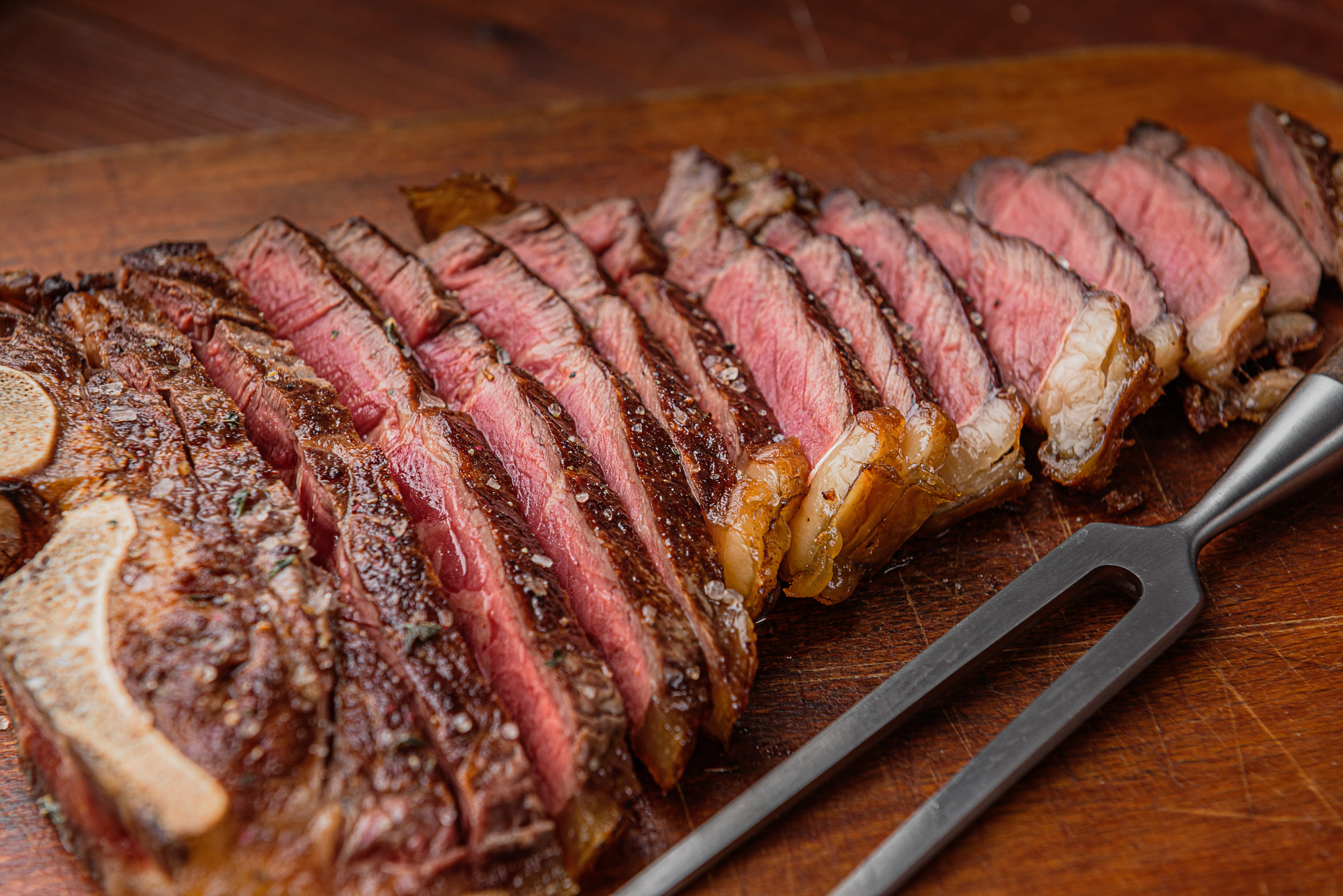
A viral video showing a customer reacting to a LongHorn Steak 6-ounce portion has evolved into a broader debate about restaurant value, food perception, and modern dining expectations. The clip, shared widely on TikTok, shows a diner pressing down on a small steak while questioning whether it matches the menu description.
The moment quickly gained millions of views and sparked intense discussion across social platforms.We examine why this specific LongHorn Steak 6-ounce portion resonated so strongly with the public and how it reflects deeper tensions in the restaurant industry.
The incident does not stand alone. It sits at the intersection of inflation pressure, food science realities, and shifting consumer trust in chain dining experiences. The reaction reveals more than dissatisfaction with one plate. It highlights how modern diners interpret value through a combination of visual cues, economic anxiety, and digital influence.
The Science Behind a Steak That Looks Smaller Than Expected
The debate around Longhorn Steakhouse’s 6-ounce portion begins with a basic but often misunderstood principle of cooking science. Steak weight is measured raw, not cooked, and this distinction plays a central role in how food appears once served.
When exposed to high heat, beef naturally loses moisture and fat. This process reduces volume and alters shape, which makes even correctly portioned steaks appear smaller on the plate. The LongHorn Steak 6-ounce portion, therefore, reflects raw measurement standards rather than the final cooked visual size.
This difference creates what food scientists often call a cooked-weight illusion. Three key processes contribute to this shift. Moisture evaporation reduces mass. Fat rendering changes the structure. Muscle fibers contract under heat, tightening the cut.
Together, these factors reshape perception without changing the portion’s actual compliance. Yet most diners judge value visually rather than scientifically, creating a gap between expectation and reality.
When Plates Mislead the Eye Without Changing the Food
The LongHorn Steak’s 6-ounce portion also highlights how presentation influences perception as much as cooking does. Plate design, spacing, and surrounding elements shape how large or small food appears to the human eye.
Restaurants often use large, minimalist plates to enhance visual appeal. However, this design choice can unintentionally make standard portions appear smaller. When a single steak sits isolated on a wide surface, the brain interprets it as smaller, even when its weight remains the same.
Three psychological factors intensify this effect. First, humans rely on relative scaling to judge size. Second, empty space increases the perceived sense of emptiness. Third, high contrast between food and plate exaggerates visual differences.
These principles explain why two identical steaks can produce very different reactions depending on plating. The LongHorn Steak’s 6-ounce portion becomes not only a meal but a visual interpretation shaped by context.
Inflation Pressure and the Shrinkflation Narrative
The discussion surrounding the LongHorn Steak 6-ounce portion also reflects broader economic conditions affecting consumer behavior. Rising food prices across the grocery and restaurant sectors have made diners more sensitive to changes in perceived value.
Shrinkflation, the idea that products decrease in size while prices remain stable or increase, has become a widely discussed concept in recent years. Even when restaurants maintain standardized portion weights, customers may interpret normal variation as evidence of reduction.
This perception is amplified during periods of inflation. Beef prices, labor costs, and supply chain disruptions have all influenced menu pricing in the restaurant industry. According to general market trends reported by food industry analysts, casual dining chains have faced sustained pressure to balance cost control with customer expectations.
In this environment, Longhorn Steakhouse’s 6-ounce portion takes on symbolic significance. It is not just about steak size. It becomes part of a larger narrative about affordability, fairness, and trust in everyday dining.
The Rise of TikTok Food Audits and Public Judgment
The LongHorn Steak’s 6-ounce portion gained attention largely because of how it was shared. Social media has changed the way restaurant experiences are documented and judged, turning private meals into public evaluations.
A growing trend known as “food auditing” has emerged on platforms like TikTok. Customers now film meals immediately upon arrival, zoom in on portions, and invite audiences to assess whether value matches expectation. This transforms dining into a form of public performance.
Three behavioral shifts define this trend. Diners record food before eating. They compare visual size against menu descriptions in real time. They rely on audience feedback to validate or reject their impressions.
This shift has significant implications. Restaurants no longer communicate only through menus and service. They now operate in an environment where perception spreads faster than official clarification. The LongHorn Steak 6-ounce portion illustrates how quickly a single moment can become a widely debated case study.
Menu Standards Versus Visual Expectation Gaps
The LongHorn Steak’s 6-ounce portion also exposes a structural communication gap between restaurants and customers. Menu descriptions rely on standardized weight measurements, while customers rely on visual interpretation.
In most restaurant operations, steak portions are defined before cooking. A six-ounce cut refers to raw weight, which ensures consistency across locations. However, customers rarely see this measurement process. They encounter only the finished plate.
This creates a mismatch between technical accuracy and perceived accuracy. Three factors contribute to this gap. Advertising imagery often shows idealized food presentations. Social media content highlights visually enhanced dishes. Customers form expectations based on these curated visuals rather than operational standards.
The result is predictable tension. Even when restaurants meet guidelines, perception may still diverge. LongHorn Steak’s 6-ounce portion serves as a reference point for this broader misunderstanding.
Variability Inside Standardized Kitchen Systems
Another important aspect of the LongHorn Steak 6-ounce portion debate lies in kitchen operations. Even within large restaurant chains, small variations naturally occur during preparation.
Grill timing, fat trimming, and heat distribution can slightly alter the final appearance of a steak. These differences remain within acceptable standards but can still influence customer perception. In fast-paced kitchen environments, consistency is designed but not perfectly uniform.
Three operational realities shape this variability. Cooks manage multiple orders simultaneously. Equipment heat levels fluctuate during service. Portion trimming is performed by human hands under time constraints.
These conditions do not imply error. Instead, they reflect the complexity of large-scale food service. The LongHorn Steak 6-ounce portion, therefore, falls within the normal operational variation that most customers rarely observe directly.
Expectation Anchoring and the Influence of Food Media
The LongHorn Steak’s 6-ounce portion also reflects how modern food media shapes consumer expectations. High-quality images of thick steaks, restaurant advertisements, and curated influencer content all contribute to what psychologists call expectation anchoring.
This cognitive bias occurs when people form a mental reference point based on idealized visuals. When real-world experiences do not match that reference, disappointment increases even if the product meets standard requirements.
Three factors intensify this effect in dining culture. Professional food photography enhances visual appeal beyond what is real. Social media filters exaggerate texture and color. Influencer content often showcases premium presentation rather than standard service conditions.
As a result, diners may evaluate a LongHorn Steak 6-ounce portion against an idealized version rather than its operational definition. This gap between expectation and reality plays a central role in shaping public reaction.
Emotional Economics and Changing Dining Behavior
The LongHorn Steak 6-ounce portion also exists within a broader emotional economy shaped by inflation and financial pressure. Consumers today evaluate dining choices more critically than in previous decades.
Rising living costs influence how value is perceived at restaurants. Even small differences in presentation can trigger stronger reactions when budgets feel constrained. This emotional sensitivity changes how people interpret food experiences.
Three trends define this shift. Diners compare more frequently across brands. They rely heavily on peer reviews and social media validation. They scrutinize portion sizes more closely than before.
In this context, LongHorn Steak’s 6-ounce portion becomes part of a broader behavioral pattern in which financial awareness and emotional response intersect.
A Single Steak Inside a Larger Cultural Mirror
The LongHorn Steak 6-ounce portion controversy ultimately reflects a convergence of science, psychology, economics, and digital culture. It demonstrates how modern food experiences extend far beyond taste or nutrition.
We see how cooking processes alter physical appearance. We observe how plate design shapes perception. We recognize how inflation changes emotional sensitivity. We understand how social media amplifies individual moments into public debate.
Each layer contributes to a broader question about trust in everyday consumption. When does a meal stop being just food and become a symbol of value, fairness, and expectation?
The LongHorn Steak’s 6-ounce portion may appear like a simple dining complaint, yet it reveals how deeply modern perception is influenced by forces that operate far beyond the restaurant table.
The debate surrounding Longhorn Steakhouse’s 6-ounce portion invites a larger reflection on how value is defined in contemporary dining. If perception can shift so dramatically based on science, design, and digital influence, then what truly determines whether a meal feels fair, satisfying, or complete in the eyes of the modern consumer?