A small steak can trigger big debates. One LongHorn Steakhouse customer recently posted a video claiming their 6-ounce steak looked far smaller than advertised, igniting millions of viewers to discuss menu honesty, portion size, and value.
The video shows the diner pressing the meat with his thumb, highlighting its modest size. The post quickly went viral, drawing over 16 million views on TikTok. While some users chalked it up to normal cooking shrinkage, others interpreted it as evidence of shrinkflation, where restaurants serve smaller portions without lowering prices.
The Viral LongHorn Steakhouse 6-Ounce Steak Complaint
The TikTok clip shows a heavily charred steak, which the customer claims weighed closer to 2 or 3 ounces than the 6 ounces listed on the menu. He captioned the post, “When times are hard they raise the price and give you half,” and included the hashtag #inflation.
Social media users reacted immediately. Some joked about the “thought of a steak,” while others expressed frustration at perceived unfair portions. One viewer shared a similar experience at Texas Roadhouse, highlighting that dissatisfaction with steakhouse portion sizes is not unique to LongHorn.
Cooked vs Raw Weight: Why Steaks Can Look Smaller Than Expected
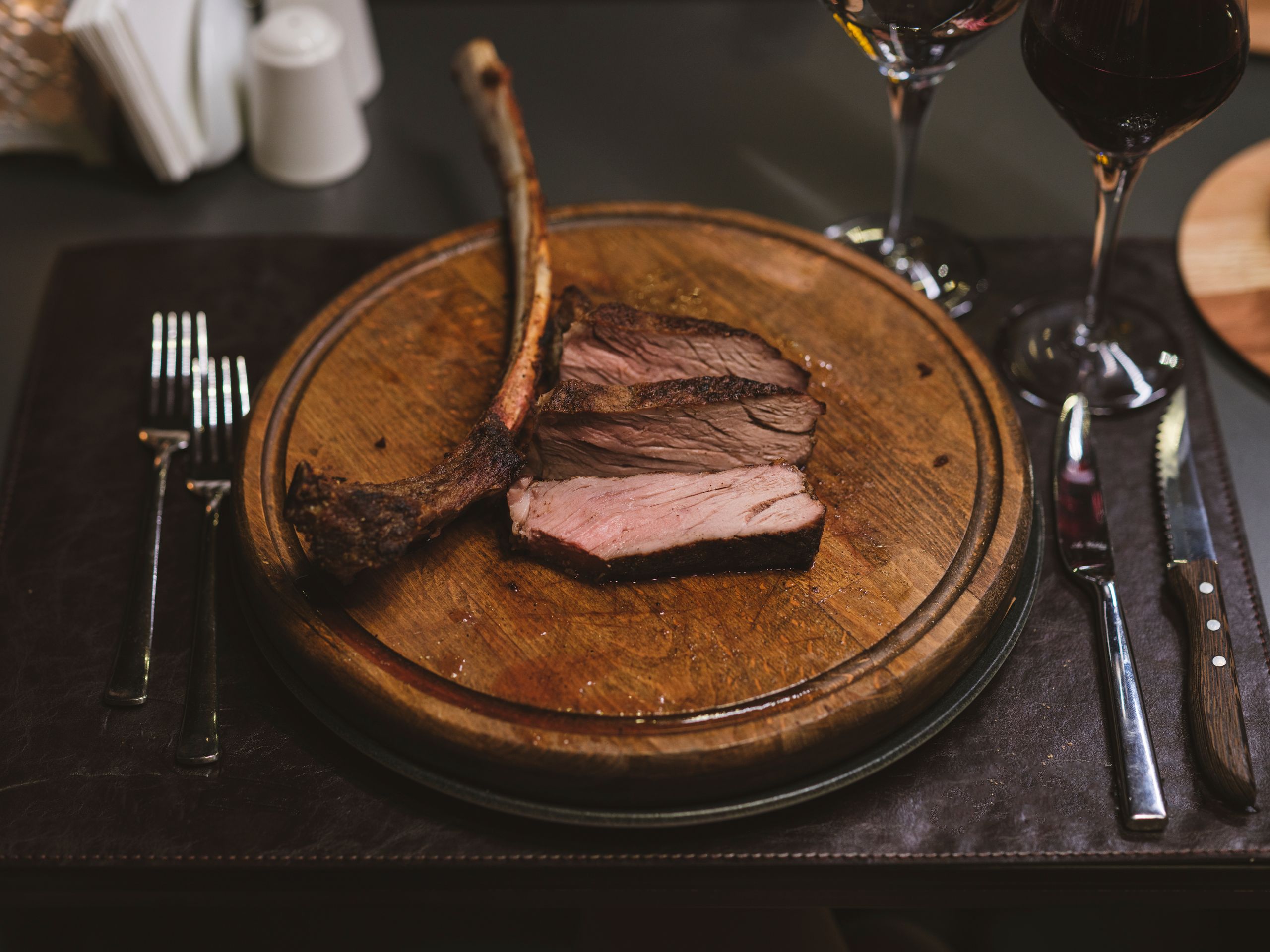
Menus typically list steak weights in raw ounces. A 6-ounce raw steak will lose weight during cooking due to moisture evaporation and fat rendering. This can make a steak appear significantly smaller on the plate. Charred or overcooked cuts may further exaggerate the visual shrinkage.
Even with this technical explanation, customers judge what lies before them. If the steak appears too small, perception often overrides industry standards, making the plate feel unsatisfying regardless of the actual raw weight.
Repeat Complaints and Payment Issues
The viral steak post is not an isolated incident. Other diners have reported receiving smaller-than-expected portions at LongHorn. One user in Central Illinois noted they received a disproportionately small steak but were reimbursed and given a free meal voucher after contacting management.
Additionally, some diners report discrepancies in charges for toppings, like blue cheese crumbles, which sometimes appear as separate fees even when the modification is included. These experiences heighten sensitivity around portion size, price, and value, especially when shared on social media.
Shrinkflation, Inflation, and Perceived Value
The post also sparked conversation about broader economic trends. Shrinkflation, reducing product size without lowering price, is often cited as a reason for consumer dissatisfaction. Many Americans feel the pinch at both grocery stores and restaurants, creating a context in which a small steak becomes a symbol of larger financial concerns.

Corporate Messaging vs Customer Perception
LongHorn Steakhouse, owned by Darden Restaurants, emphasizes value per dollar and consistent portions. Darden CEO Rick Cardenas has stated that the company aims to put more food on the plate than competitors. However, viral posts like this one expose a gap between corporate messaging and diner perception, showing how a single meal can influence national opinion.
How Diners Can Protect Themselves
Several strategies have emerged among diners to avoid surprises:
- Confirm portion sizes with the server before ordering.
- Pay at the table to prevent billing errors.
- Keep receipts for verification in case of disputes.
- Understand that raw weight differs from cooked weight.
Being proactive ensures the dining experience aligns with expectations and minimizes frustration.
Why The LongHorn 6-Ounce Steak Story Resonates
The story resonates because it touches on trust, value, and visual expectation. In an era of rising food costs, diners scrutinize every plate, and a viral steak can serve as a lightning rod for broader frustrations. It is not just a question of ounces; it is a conversation about what diners feel they are owed when they pay for a menu item.
Conclusion
The LongHorn Steakhouse 6-ounce steak controversy is a reminder that perception is as important as measurement in dining. While a cooked steak may shrink from its raw weight, the experience of receiving less-than-expected food shapes public perception, customer satisfaction, and brand trust. For diners, understanding portion norms and communicating with staff is key. For restaurants, transparency and presentation are essential to maintaining credibility in a social-media-driven wo