A Baby Boomer can still picture the classroom before the screens took over. Chalk dust floated near the blackboard, desks sat in stiff rows, and a teacher could turn a quiet lesson into a life skill with nothing more than a ruler, a workbook, or a stack of index cards.
School was not perfect back then. It could be rigid, unfair, and too quick to punish students who learn differently. Still, many classrooms taught practical skills that followed students into offices, kitchens, libraries, workshops, and everyday adult life.
Modern students have gained powerful tools. They can search faster, type on phones, use apps, build digital projects, and access information that once took hours to find.
But speed has a cost. Some old school lessons have faded so quietly that many students today barely know what they lost.
Cursive
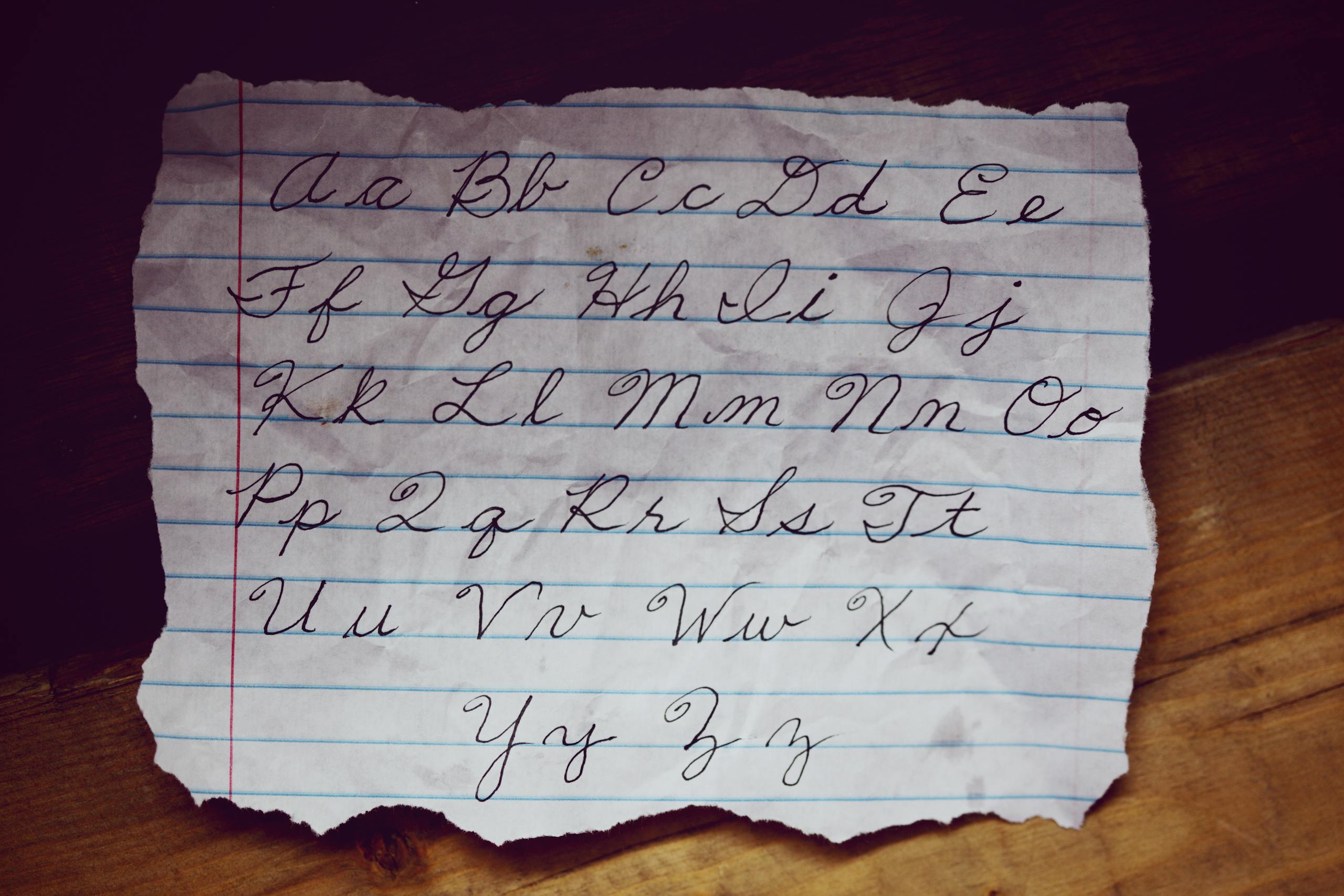
For Baby Boomers, cursive was not a cute extra. It was a classroom expectation. Students practiced loops, slants, spacing, capital letters, signatures, and smooth connections until the page looked controlled. A neat cursive assignment could make a child look careful, patient, and properly trained.
Today, cursive no longer dominates the school day the way it once did, even though some states have brought it back through cursive-writing requirements. The loss is not just about pretty letters. It is about reading old family notes, historical documents, handwritten recipes, and signatures from a world that did not expect every thought to arrive through a keyboard.
Typewriter drills
Typing class used to fill the room with a sharp mechanical rhythm. Students learned finger placement, posture, accuracy, speed, and patience on machines that did not forgive sloppy habits. One wrong key could mean correction fluid, a messy page, or starting again with a fresh sheet.
Modern students still type, but the old pressure has changed. Many now move between laptops, phones, tablets, voice tools, and autocorrect without the same formal discipline. That does not make them less capable, but it does change the skill. Baby Boomers learned that every keystroke mattered because the page remembered every mistake.
Home economics
Home economics once gave students direct lessons in cooking, sewing, meal planning, budgeting, laundry, child care, and household management. The class had serious flaws because many schools treated it as girls’ training instead of life training for everyone. Still, the subject taught skills that adults actually needed when the school bell stopped ringing.
Today, the field lives on in updated form through family consumer sciences, but many students never experience it as a basic part of school. That leaves a strange gap. Young adults may graduate knowing how to analyze literature or solve equations, yet still feel lost when faced with grocery costs, basic repairs, meal prep, or the quiet work of running a home.
Shop class
Shop class made learning physical. Students measured wood, used tools, sanded edges, built objects, fixed mistakes, and discovered that intelligence was not limited to tests and essays. For many Baby Boomers, it was the first time school rewarded practical skills in ways they could see and touch.
Traditional shop classes faded in many places as schools pushed harder toward college preparation, standardized testing, and academic pathways. Career training still exists through career technical education, but the old, everyday workshop experience is no longer guaranteed. That matters because not every student finds confidence through a textbook. Some students discover who they are when they build something that stands.
Sentence diagramming
Sentence diagramming could look intimidating at first. Teachers broke sentences into subjects, verbs, objects, modifiers, phrases, and clauses, then placed each piece on a visual structure. To some students, it felt like solving a puzzle. To others, it felt like grammar punishment.
Even so, the lesson had value. It showed that language had structure, not just sound. Modern writing instruction often focuses on fluency, voice, comprehension, and digital communication, all of which are important. But when diagramming disappeared from many classrooms, students lost one old-fashioned way of seeing how a sentence holds itself together.
Paper maps
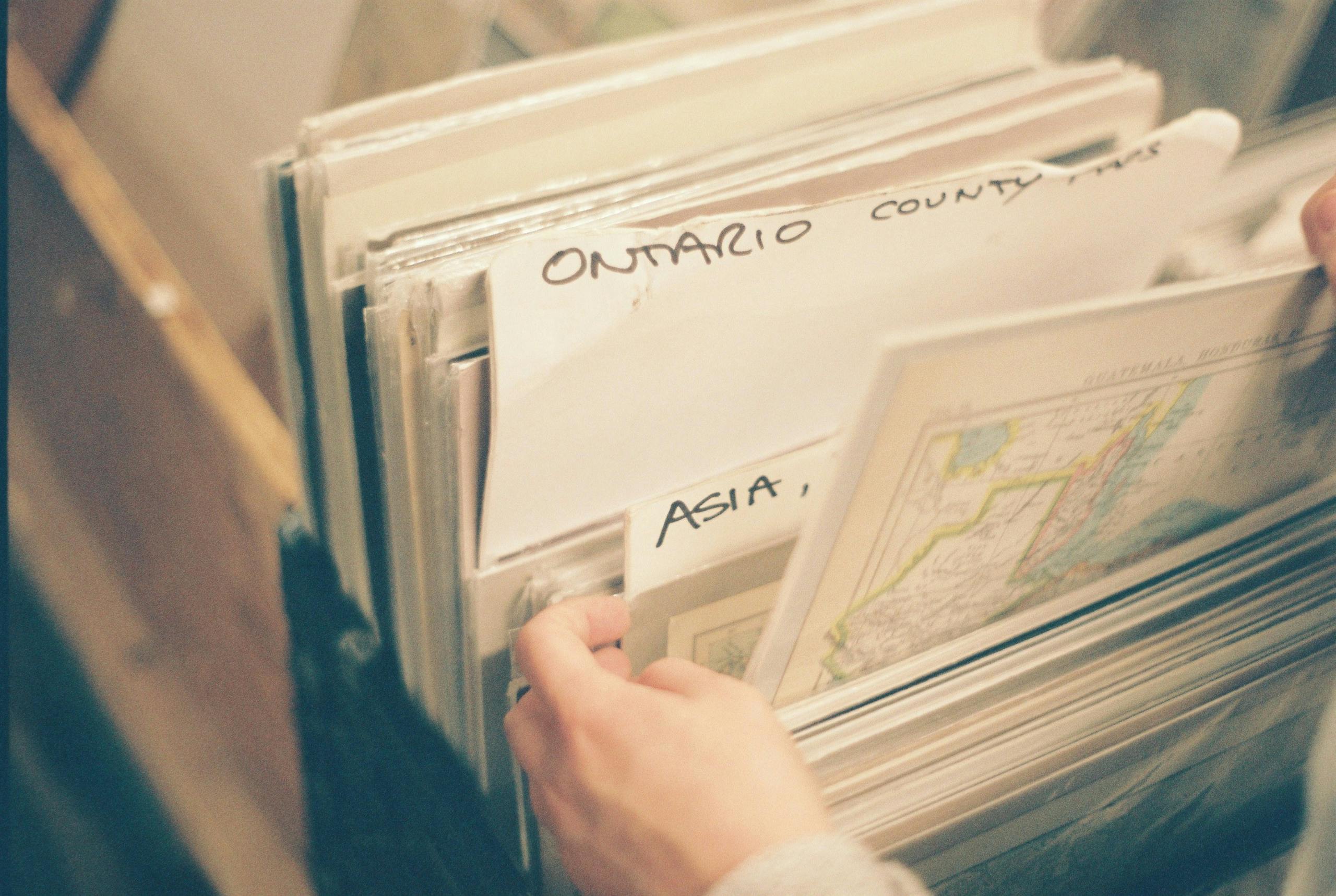
Before GPS, students had to read maps with their own eyes. They learned about legends, scales, grids, borders, rivers, highways, state capitals, and the relationships between places. A map did not speak, reroute, or flash a blue dot. The student had to think.
That kind of skill still matters because geography is not just about finding a destination. National Geographic describes spatial thinking skills as important for understanding places, spaces, science, and history. Modern navigation is easier, but it can make people passive. Baby Boomers had to picture distance and direction in their heads, which made the world feel larger, slower, and more connected.
Card catalogs
The school library once demanded patience. Students searched wooden drawers, pulled index cards, copied call numbers, walked through shelves, checked indexes, and hoped the right book had not already been borrowed. Research was not instant. It required movement, attention, and a willingness to chase an answer one step at a time.
Now students can find information in seconds, but speed brings its own trouble. They must sort useful facts from ads, weak summaries, fake claims, outdated pages, and AI-generated shortcuts. Card catalogs may be nearly gone, but the habit they taught still matters. If students never learn patience with information, how will they know the difference between finding an answer and understanding one?