New Yorkers have endured decades of subway delays, graffiti, flooding, and crime. Now, another obstacle looms this one coming straight from Washington. The Trump administration has warned that federal funding for the Metropolitan Transportation Authority could be withheld or redirected if safety standards, fare enforcement, and worker protections are not fully met.
For riders, this is far from a political abstract. It’s a direct threat to trains running on time, stations staying safe, and expansion projects continuing. Every delay, cut, or diverted dollar ultimately hits the people who rely on the system to get to work, school, or home.
Safety Concerns Wrapped in a Funding Threat
Federal officials argue that the MTA must improve safety, reduce fare evasion, and protect transit employees. On paper, the warning is about public protection. In reality, it uses money as leverage, leaving riders anxious about whether these measures will arrive in time to make a difference. A subway system already stretched thin cannot absorb sudden funding uncertainty without consequences for daily service.
Commuters see the stakes in real time: a platform feels less safe when enforcement is inconsistent, delays pile up, and essential repairs linger. What should be straightforward safety upgrades now carry the shadow of political maneuvering.
When Money Becomes the Weapon
Federal funding plays a central role in the MTA’s operations. Beyond covering day-to-day maintenance, it pays for security measures, capital improvements, and large-scale projects like the Second Avenue Subway. Threatening to withhold funds risks slowing repairs, postponing upgrades, and creating service gaps that riders immediately notice.

Even a temporary freeze can ripple across the system: contractors hesitate, station improvements stall, and delays mount. For those navigating rush-hour crowds, the outcome feels less like a political dispute and more like a system failing them in real time.
Riders Caught Between Politics and Platforms
The conflict highlights a troubling reality: transit riders are pawns in a larger power struggle. While federal authorities frame the threat as a matter of safety, critics argue it’s entangled with political disagreements and oversight battles. Commuters care little about headlines; they care about getting to their destinations safely and on time.
Every announcement about withheld funding fuels uncertainty. Riders may see fewer trains, slower repairs, and delayed accessibility projects, all while the political debate rages overhead. The subway experience the stations, the trains, the service, the tangible proof of an abstract struggle.
Expansion Projects Hang in the Balance
The frozen funding for the Second Avenue Subway expansion underscored how high the stakes are. Even tens of millions of dollars can affect schedules, contractor confidence, and community expectations. Long-promised extensions suddenly feel precarious. Residents waiting for decades to gain better access face the frustrating reality that politics can dictate when progress happens.
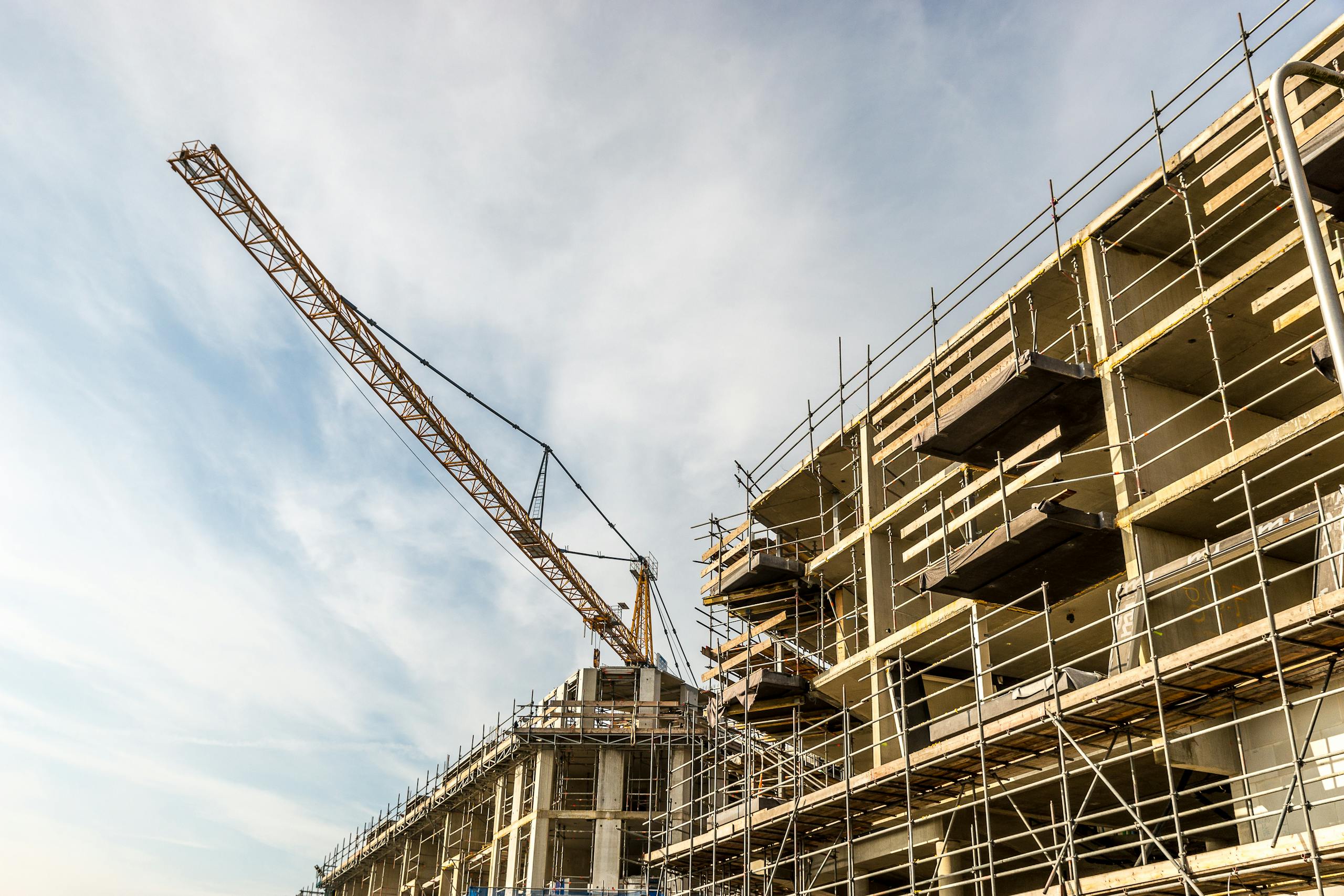
This is not merely about money; it’s about whether New Yorkers can count on the system that millions depend on every day. When funds are threatened, expansion plans risk being delayed indefinitely, turning hope into anxiety.
A System Strained by Uncertainty
Even if promises of safety improvements are made, the threat of sudden funding cuts creates stress throughout the system. Transit workers may face added pressure, repairs may slow, and riders must adjust to ever-changing service conditions. While political victories may be claimed on either side, the public bears the cost.
Trust becomes the real casualty. Shoppers and commuters may no longer rely on the subway’s consistency, and a single late train or broken escalator is amplified under the shadow of federal threats.

Safety Requires Investment, Not Just Warnings
Real solutions depend on sustained funding, careful planning, and coordination. Riders need safe platforms, protected employees, and reliable service. A funding threat alone does not make stations safer or platforms more secure.Without concrete investment ,the subway remains vulnerable to the same issues the federal warning purports to address.
Money alone can’t solve systemic problems, but removing it can worsen them. In this tug-of-war, commuters are left navigating trains and turnstiles while political forces fight over budget lines.
The Subway as a National Test Case
This confrontation extends beyond New York. It raises a broader question about federal leverage over city transit systems. If withholding funds becomes a tool to enforce compliance, other major cities may face similar pressures. For every transit-dependent commuter, the stakes are clear: national politics may soon determine local service reliability.

The New York subway, with its millions of daily passengers, becomes the visible test case. How the system weathers this dispute will shape perceptions of accountability, safety, and political fairness in transit across the nation.
What Riders Need to Know
For commuters, the practical advice is simple: stay alert to service alerts, track schedules, and be prepared for unexpected delays. While the political battle unfolds above ground, the reality underground affects everyone’s daily routine. Riders may not be able to control politics, but they can navigate trains, manage time, and advocate for consistent, safe service.
The real question for New Yorkers is whether the subway can remain reliable when its funding becomes a bargaining chip. Political strategy may dominate headlines, but daily commuters will feel the consequences at the platform, on the train, and in every missed connection.