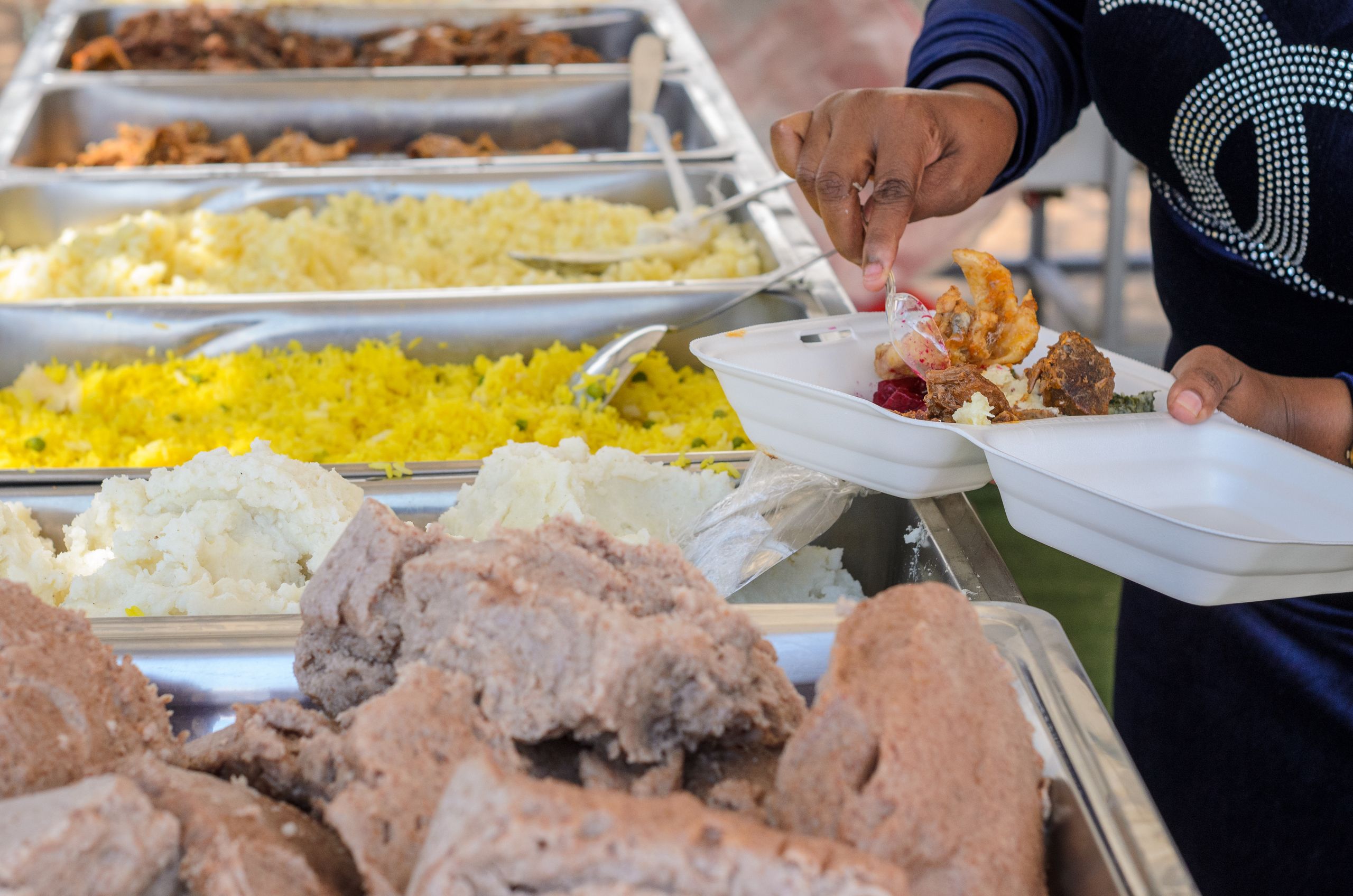
California is putting the school lunch tray under a microscope, and the move is already stirring the kind of parent debate that does not stay quiet for long. For decades, cafeterias have served familiar staples that many children recognize instantly, from packaged snacks and sweetened drinks to processed entrées built for speed, storage, and mass feeding.
Now the state is saying some of those foods may no longer belong in public school meals. The California school lunch ban is not just about what disappears from the menu. It is about who decides what children eat during the school day.
How much trust parents should place in cafeteria food, and how far the government should go when children’s health is at stake. What looks like a food policy fight is quickly becoming a national test of convenience, cost, nutrition, and parental anxiety.
A Lunchroom Rule That Feels Personal To Parents
School lunch is emotional because it touches daily family life. Parents may not argue over every state policy, but they notice when a child comes home hungry, complains about a meal, or says their favorite cafeteria item is gone.
That is why California’s push to phase out certain ultra-processed foods has landed with such force. For some families, this feels like overdue protection. They see children surrounded by snacks, sugary drinks, artificial colors, salty meals, and addictive flavors almost everywhere they go.
To them, school should be the one place where the default option supports health, rather than mirroring the same food culture that dominates grocery aisles and drive-thru menus.
Other parents are more skeptical. They worry the state is moving too far into family territory, especially when school cafeterias already struggle with tight budgets and picky eaters.
A healthier lunch does little good if students reject it, throw it away, or spend the afternoon distracted because they barely ate.
The Target Is Ultra-Processed Food, Not Every Packaged Meal
The debate becomes clearer when we distinguish between processed and ultra-processed foods. Many foods are processed in basic ways, including freezing, drying, cooking, canning, or packaging.
Schools depend on some of those methods because they serve large numbers of children quickly and safely. Ultra-processed foods are different.
They often contain industrial ingredients, flavor enhancers, artificial colors, stabilizers, emulsifiers, excess sodium, added sugars, and combinations of fat and refined carbohydrates that are designed to taste good and last a long time.
These foods can be cheap, consistent, and easy to serve, but they can also push children toward habits that become difficult to break.
California’s law does not mean every familiar lunch item disappears overnight. The state is creating a phased process that gives officials time to define restricted foods, districts time to adapt, and food companies time to reformulate.
That timeline matters because school nutrition cannot be fixed with a single announcement.
The Health Argument Is Hard To Brush Aside

The uncomfortable truth is that ultra-processed foods have become a major part of the American diet, especially for children and teenagers. When more than half of young people’s calories come from these foods, school cafeterias cannot pretend they exist outside the problem.
They are part of the daily environment, shaping how kids learn to eat. Health advocates argue that schools should not normalize products linked to poor diet quality, excess sugar intake, high sodium intake, and long-term chronic disease risks.
Childhood obesity, type 2 diabetes concerns, heart health, attention, mood, and energy levels all sit behind this debate. Even families who disagree on politics often agree that children deserve better food than what the cheapest supply chain can provide.
The sharper question is not whether kids should ever enjoy pizza, chips, cookies, or sweet treats. The question is whether public schools should make highly engineered foods a regular part of the day for millions of children.
California’s answer is becoming clear, and it is forcing the rest of the country to pay attention.
Food Companies May Feel The Pressure First
The most powerful impact may not happen in the cafeteria. It may happen inside corporate recipe labs. California is a massive market, and companies that sell to schools may decide reformulation is smarter than losing access to districts across the state.
That is where this law could spread beyond California without every state passing the same rule. If manufacturers change ingredients to meet California’s school standards, those reformulated products could appear in other states, too.
This is how one state can quietly reshape national food supply decisions. Food brands will not enjoy that pressure. Reformulating products can cost money, disrupt supply chains, alter taste, and risk losing children accustomed to the old versions.
Still, companies have adapted before when states changed rules around food safety, labels, chemicals, and environmental standards. California is betting it can adapt again.
Schools Will Need More Than Good Intentions

A school district cannot simply remove processed staples and expect lunch to magically improve. Cafeterias need practical support, trained staff, reliable suppliers, kid-friendly recipes, and enough money to make healthier meals work at scale.
The lunch line is not a policy brochure. It is loud, rushed, crowded, and brutally honest. Children will tell schools quickly if a new meal fails. They will trade it, ignore it, dump it, or come home complaining.
That is why student taste tests, culturally familiar recipes, better seasoning, fresh preparation, and smart menu planning will decide whether this policy succeeds.
The challenge is especially real for districts serving low-income communities. For many students, school meals are not optional extras. They are a major part of the day’s nutrition. If California wants this law to work, healthier meals must remain accessible, filling, affordable, and appealing.
The Picky Eater Problem Could Become The Biggest Test
Every parent knows the quiet terror of a child who refuses food. Adults may celebrate whole grains, vegetables, beans, fresh fruit, and lower-sugar options, but children do not eat ideas.
They eat taste, texture, smell, routine, and familiarity. That means schools must introduce changes carefully. A sudden swap from familiar processed meals to unfamiliar healthier versions could backfire, especially among younger children.
Better food should feel like an upgrade, not a punishment. There is also a social side to lunch. Kids notice what looks normal. If healthier meals are presented as boring substitutes for “real” food, students may resist them.
If schools make them colorful, familiar, flavorful, and connected to meals students already enjoy, the transition is more likely to succeed.
The Budget Fight Is Coming Next
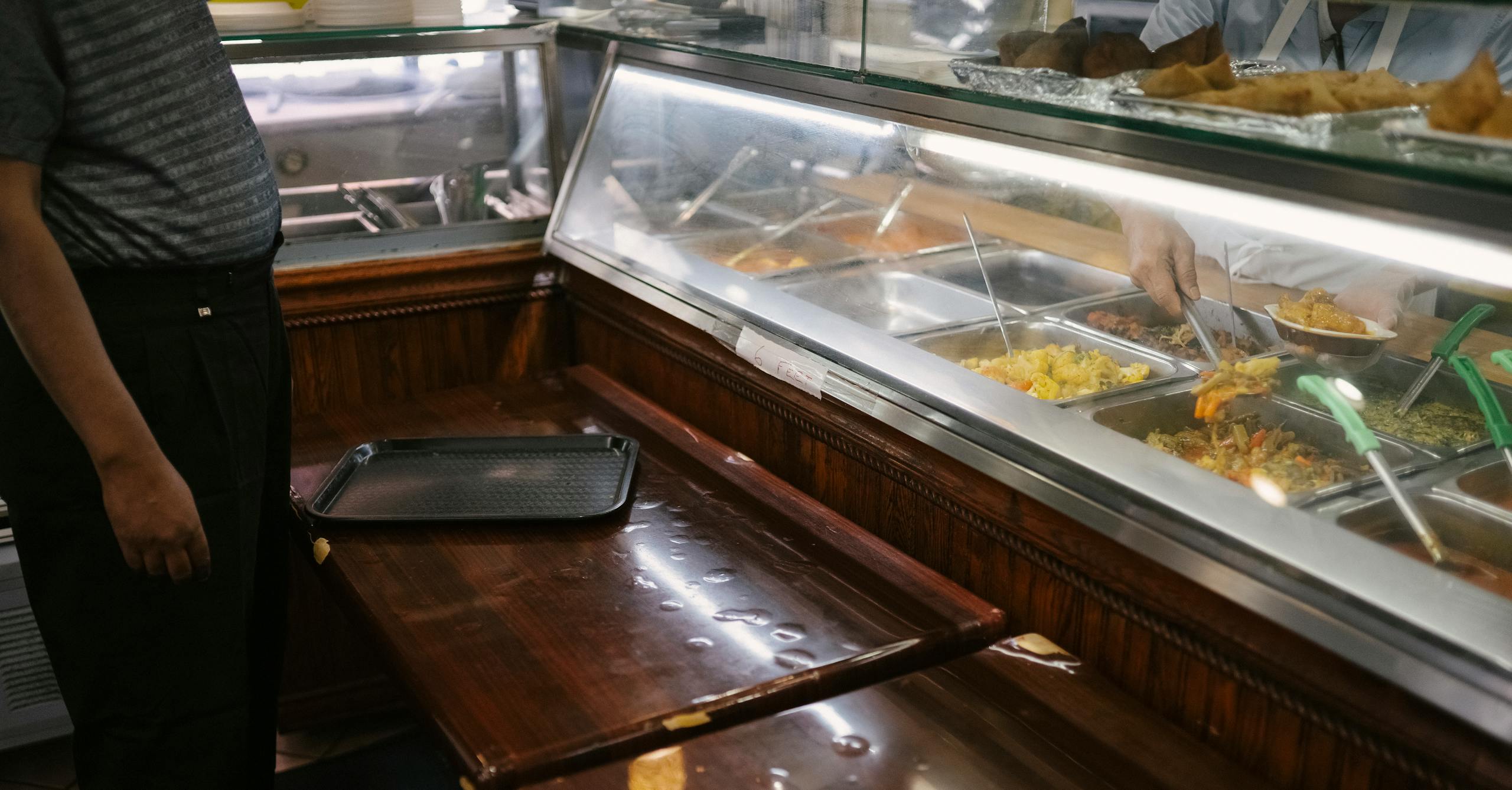
Critics will likely focus on cost, and they will have an audience. School food programs already operate under pressure. Labor, transportation, equipment, ingredient prices, refrigeration, and contract rules all affect what ends up on a tray.
Healthier meals can cost more in some settings, especially where kitchens are not built for scratch cooking. Some schools may need upgraded equipment, better training, and stronger partnerships with local farms or regional suppliers.
Without support, the law could create stress for districts already stretched thin. Supporters argue the long-term cost of poor nutrition is far higher. If children build healthier habits earlier, society may save money later through better health outcomes.
That argument sounds strong, but parents and school leaders will still judge the law by what happens day to day, meal by meal.
California May Be Setting The Table For Other States
California has a long history of turning state policy into national pressure. When the state moves on cars, emissions, consumer rules, food additives, or school nutrition, companies and lawmakers elsewhere often watch closely.
The school lunch ban may follow that pattern. Other states may not copy the law immediately. Some may wait to see whether California’s rollout works, whether vendors comply, and whether parents accept the changes.
But if school meals improve without chaos, the political argument becomes much easier for supporters in other states. This is why the story matters beyond California.
A law aimed at cafeterias could serve as a blueprint for a broader shift in food policy. The fight over children’s lunches may be the first stage of a larger national reckoning with ultra-processed food.
This Is Really A Fight Over Trust
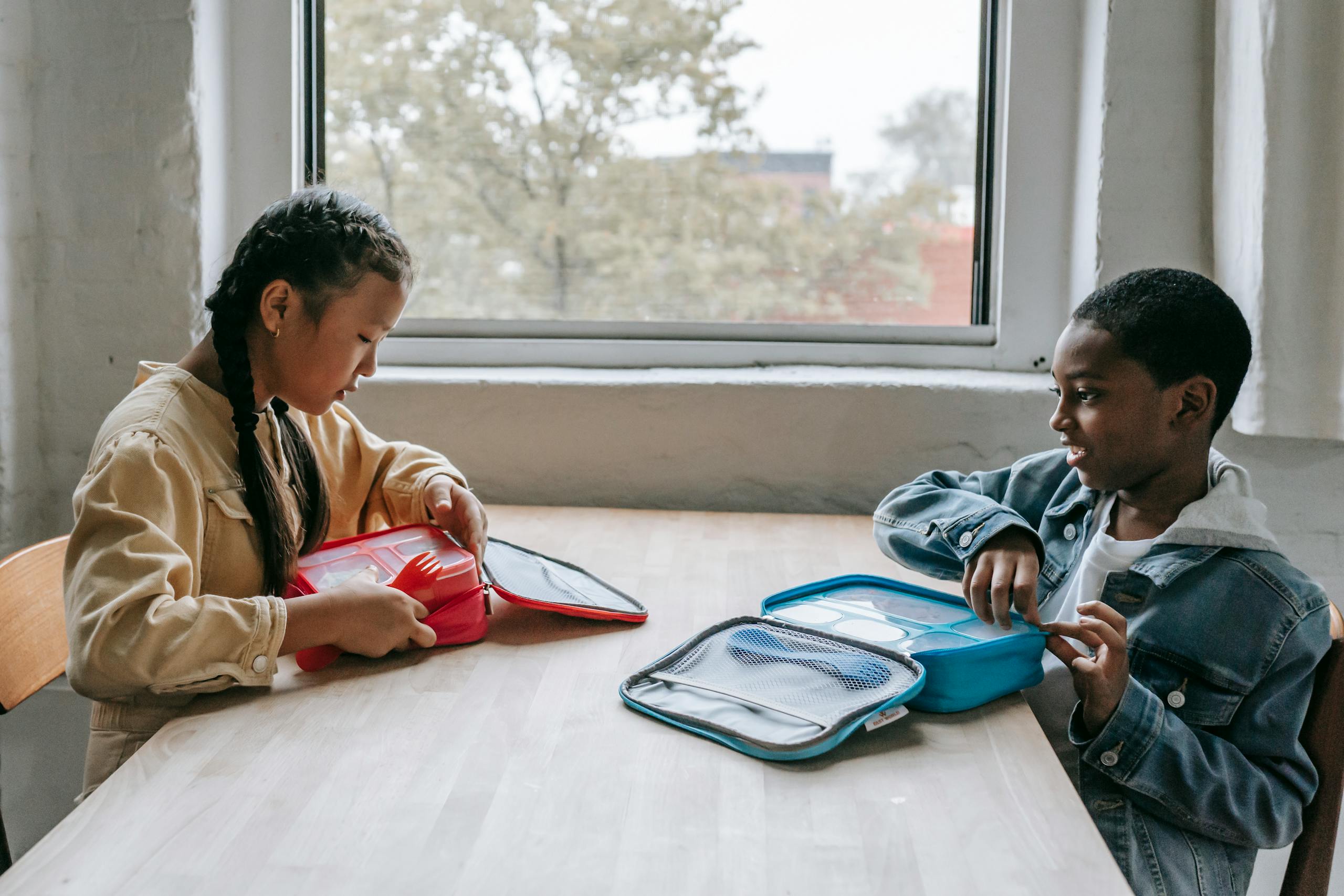
At the center of the debate is a simple trust problem. Parents want to trust schools. Schools want to trust vendors. Vendors want to trust regulators. Children, meanwhile, just want lunch that tastes good.
California’s new law challenges every part of that chain. It asks schools to look more closely at ingredients, asks companies to defend what they sell, and asks parents to consider how much processed food has become normal in children’s daily lives.
That is why the issue feels bigger than one cafeteria menu. The strongest version of this policy will neither shame parents nor pretend that healthy eating is easy.
It will recognize that families are busy, budgets are real, and kids can be stubborn. Then it will still insist that public schools should not serve as a pipeline for the most concerning ultra-processed foods.
The Lunch Tray Is Becoming A National Warning Sign
The California school lunch ban is likely to spark frustration, confusion, praise, and political noise over the next few years. Some parents will see it as common sense. Others will see it as overreach.
Food companies will watch the definitions closely, and school districts will quietly worry about the practical details. But the bigger story is already here. America has built a food system in which many children eat ultra-processed foods every day.
Often, before they are old enough to understand what those ingredients mean. California is now asking whether schools should keep participating in that pattern or start breaking it. The answer will not come from one law alone.
It will come from lunchrooms, student reactions, district budgets, vendor choices, and parent trust. If California can make healthier school food work without leaving kids hungry or schools overwhelmed, the humble cafeteria tray could become one of the most important battlegrounds in America’s food future.