It often starts as something ordinary. A drink after work, a few rounds on the weekend, a glass to calm your nerves after bills, traffic, deadlines, and family pressure pile up.
Then the small habit starts taking up more room. Sleep feels lighter, mornings feel heavier, patience runs thinner, and the body starts sending signals that are easy to excuse.
For many Americans, drinking is wrapped around stress, celebration, grief, dating, sports, holidays, and social survival. That makes the warning signs harder to spot because alcohol can look normal long after it stops feeling harmless.
The real question is not whether one drink makes someone unhealthy. The harder question is whether drinking has started quietly collecting a cost from your body, your mood, your money, and your peace.
Your mornings feel worse than they should
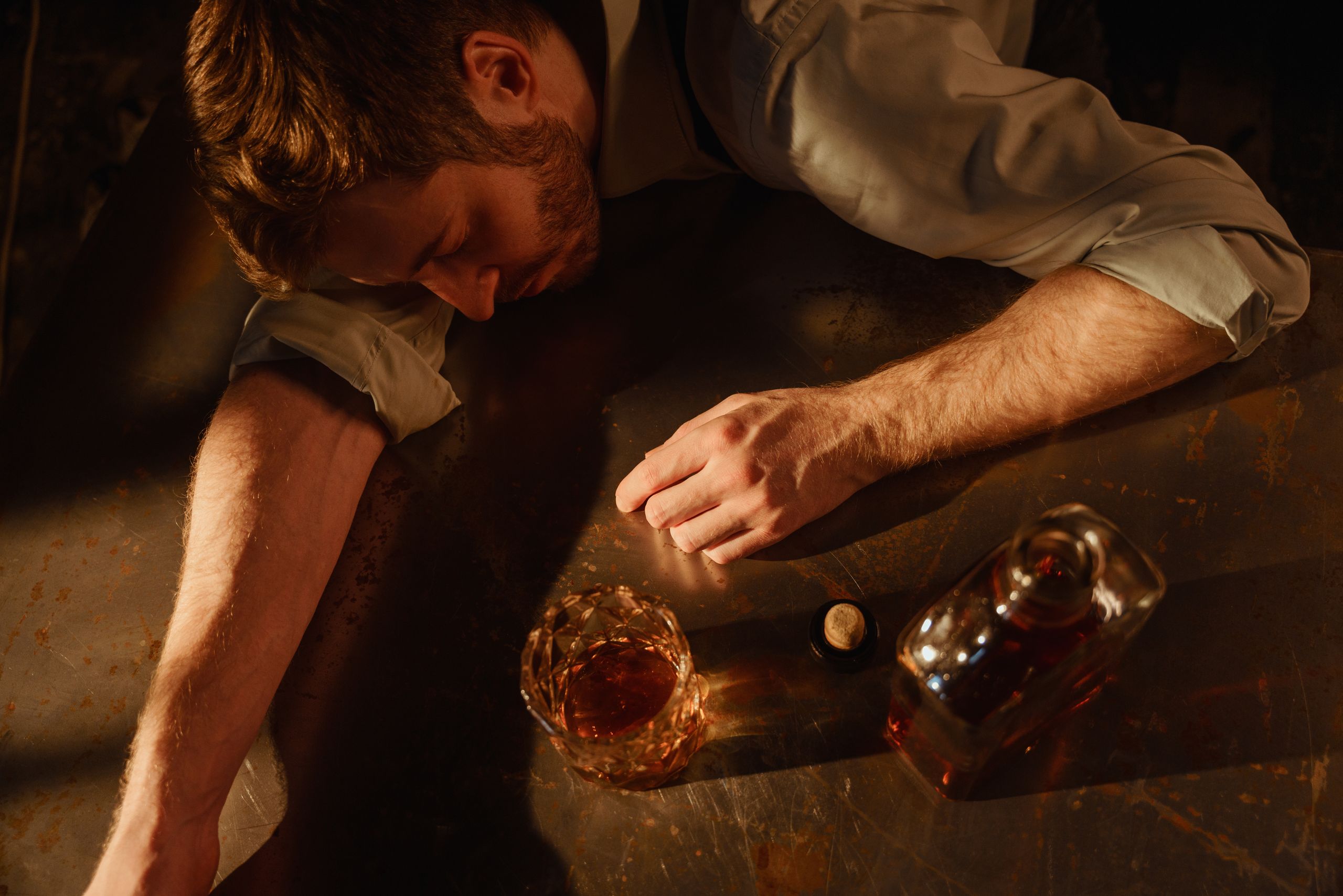
A rough morning after drinking can feel normal once in a while, but repeated grogginess, headaches, dry mouth, nausea, or heavy fatigue can be a sign that your body is struggling to recover. Alcohol can disturb sleep quality, dehydrate the body, and leave the nervous system feeling irritated the next day.
The problem grows when those mornings become part of your routine. If you need extra caffeine, pain relievers, greasy food, or another drink just to feel steady, your body may be telling you the night before is taking more than it gives.
Your sleep looks long but feels useless.
Alcohol can make you feel sleepy at first, which is why many people mistake it for a sleep aid. The catch is that it can fragment sleep later in the night, leaving you restless, sweaty, or awake at 3 a.m. with your mind racing.
This is one of the sneakiest warning signs because the clock may say you slept seven hours, but your body feels cheated. If drinking regularly turns bedtime into a cycle of passing out, waking up, and dragging through the next day, it deserves attention.
Your mood swings are getting harder to explain.
Irritability, anxiety, sadness, or sudden anger after drinking can point to more than a bad day. Alcohol affects brain communication, and heavy use can change mood, behavior, and stress response over time.
This matters because many people drink to calm down, then wake up with more anxiety than they had before. When alcohol becomes the thing you use to manage emotions, and then becomes the thing making emotions worse, the pattern can trap you fast.
Your stomach keeps pushing back.
Frequent nausea, bloating, acid reflux, diarrhea, poor appetite, or stomach pain can be signs that alcohol is irritating your digestive system. Drinking too much has been linked with digestive problems and other forms of higher disease risk.
Your gut often complains before the rest of your life falls apart. If meals feel uncomfortable after drinking, bathroom habits change, or your stomach seems angry after every weekend, your body may already be filing a protest.
You keep needing more to feel the same effect.
Tolerance can feel like proof that you “handle alcohol well,” but it can also be a warning sign. If two drinks used to relax you and now it takes four, your body has adapted to a pattern that may be moving in the wrong direction.
This can become expensive, risky, and emotionally draining. More alcohol usually means more strain on the liver, brain, sleep, relationships, and decision-making, even when the person drinking still looks functional from the outside.
Your hands, nerves, or body feel shaky without it.
Shakiness, sweating, restlessness, nausea, racing heart, poor sleep, or feeling deeply uneasy when alcohol wears off can be signs of withdrawal. The NIAAA lists these as possible warning signs when withdrawal symptoms appear.
This is not the moment to play tough. People who drink heavily or daily may need medical guidance before stopping, especially if they have had seizures, hallucinations, confusion, or severe shaking.
Your skin and face are telling on you.

Puffy eyes, flushed skin, dull complexion, easy bruising, or looking older than you feel can sometimes reflect the strain alcohol places on hydration, sleep, inflammation, and liver function. These signs do not prove alcohol is the cause, but they should not be ignored when they appear beside heavier drinking.
The mirror can become a quiet witness. When your face keeps looking tired even after rest, and the pattern follows nights of drinking, your body may be showing what your routine is trying to hide.
Your liver warning signs are easier to dismiss
Pain or discomfort in the upper right side of the abdomen, yellowing of the skin or eyes, dark urine, swelling, unusual bruising, and extreme fatigue require medical attention. Heavy drinking can contribute to fatty liver, alcoholic hepatitis, cirrhosis, and other damage, and liver damage can become serious before someone feels truly sick.
The liver is easy to take for granted because it does not always scream early. That silence can be dangerous, especially when drinking has become frequent, heavy, or tied to stress relief.
Your life is shrinking around drinking.
A major warning sign is not just how much you drink, but how much life starts bending around it. You may skip workouts, avoid early plans, spend more than you meant to, cancel family time, or choose social events based on whether alcohol is involved.
This is where drinking stops being a private habit and starts becoming a lifestyle manager. When alcohol quietly decides your schedule, friendships, weekends, and recovery time, it may have more control than you want to admit.
You keep promising yourself you will cut back.
Many people know something feels off before anyone else notices. They promise to drink only on weekends, avoid hard liquor, stop after two, take a month off, or never drink during stress again, then find themselves breaking the rule.
That repeated negotiation is a warning sign because it shows conflict between what you want and what the habit wants. Alcohol is also linked to several cancers, and major health groups stress that drinking less lowers risk because alcohol raises cancer risk, so what would your body say if you finally listened before the warning got louder?