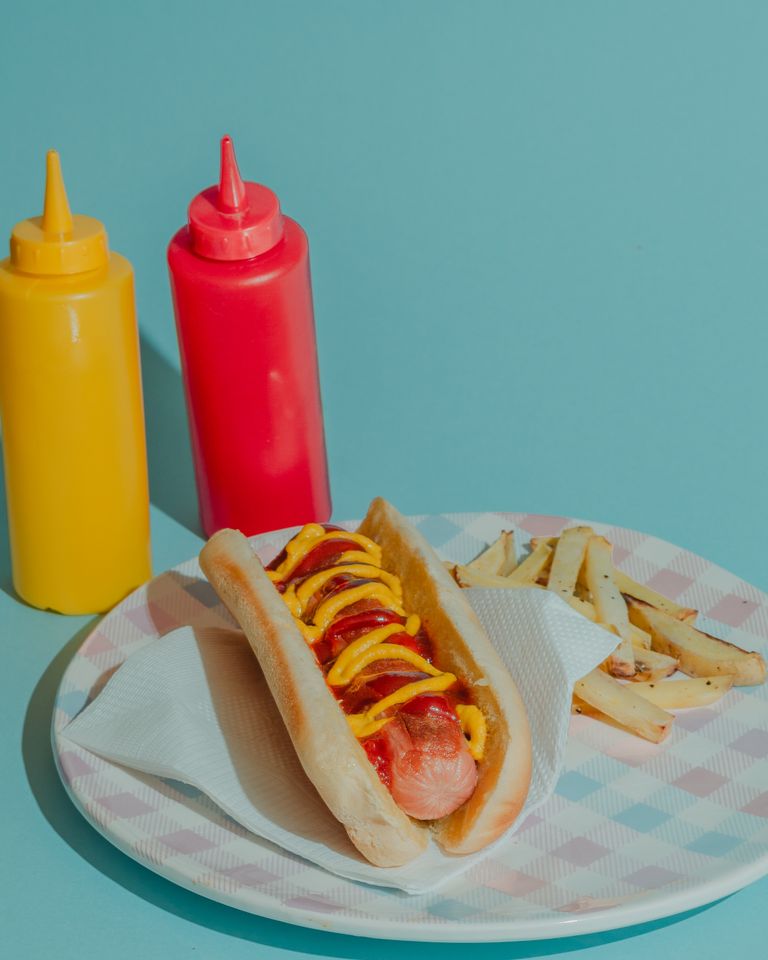
California’s school lunch trays are becoming the latest battlefield in America’s fight over childhood health, processed food, and what parents should trust when their kids eat away from home. The new California school lunch ban is not just targeting one snack or one strange ingredient hidden on a label.
It is taking aim at the familiar packaged foods that have filled cafeterias for decades, the kind of quick, cheap, colorful lunch staples many American families know too well.
For parents, this hits close to home because school lunch is not some luxury choice. Millions of children eat breakfast, lunch, or snacks at school because families are busy, food prices are high, and cafeteria meals are often the easiest option during a long school day.
California’s move raises an uncomfortable question for the whole country: how many foods that seemed normal on a school tray may have been too processed, too sugary, too salty, or too chemically engineered for children in the first place?
Cafeteria favorites are losing their innocent image.
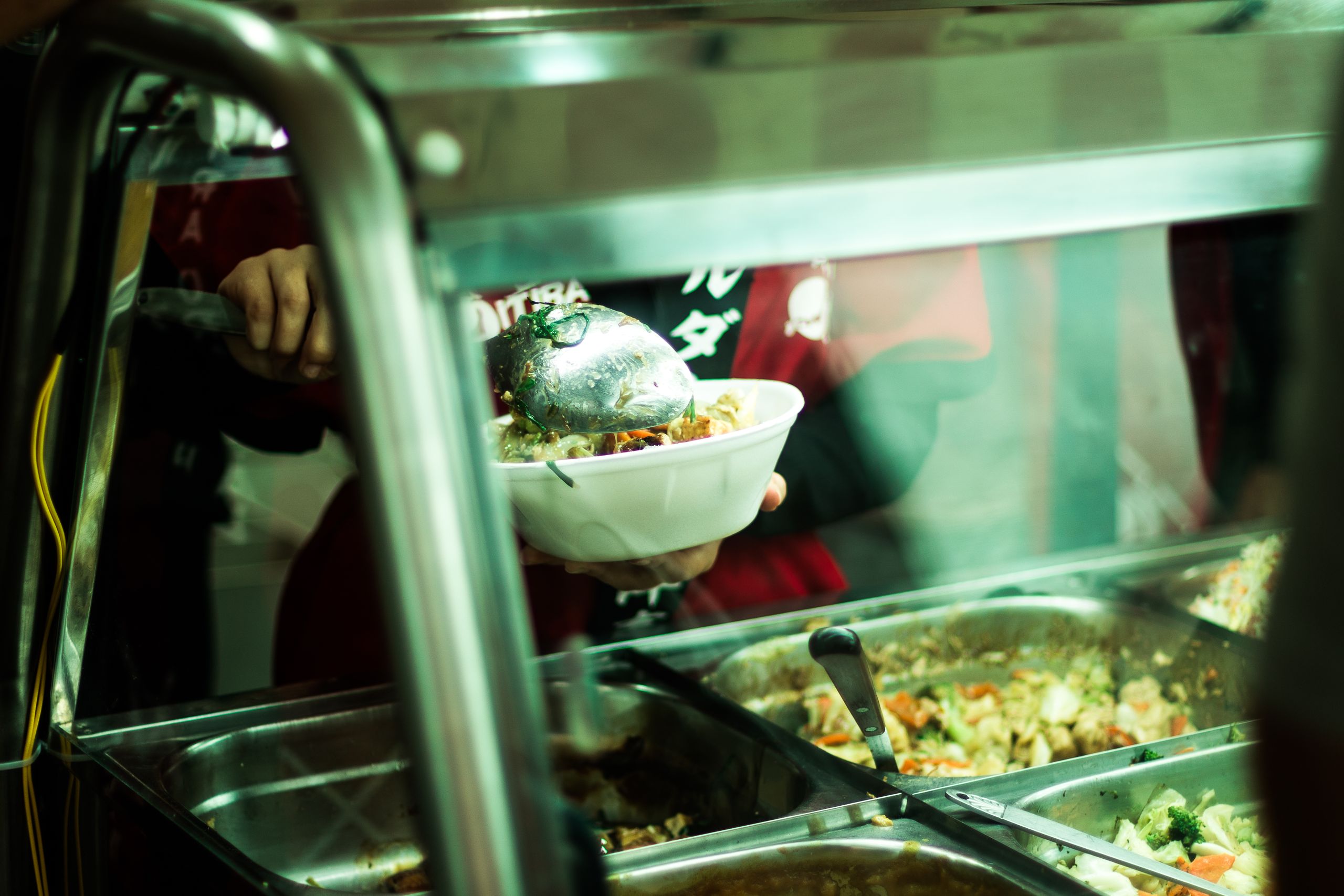
For years, many parents saw school lunch as basic, predictable, and harmless. A child grabbed pizza, chicken nuggets, flavored milk, cereal, chips, a packaged snack, or a sweet treat, and most adults treated it as part of growing up.
The problem is that many of these foods now face closer scrutiny because they often carry long ingredient lists, heavy processing, artificial colors, high sodium, added sugars, and flavor systems designed to make children want more.
That is why California’s crackdown feels bigger than a menu change. It forces parents to look again at foods that once seemed ordinary because they were everywhere. When a product appears in every cafeteria, vending machine, grocery aisle, and lunchbox, it starts to feel safe by repetition, even when the ingredients tell a different story.
The real concern is not that every packaged school food is harmful. The deeper worry is that America has made ultra processed food so normal that many children now expect meals to be bright, salty, sweet, soft, crispy, or heavily flavored before they will eat them. California is now saying that school cafeterias should not keep reinforcing that habit every day.
The old school lunch shortcut is starting to look expensive.
Ultra processed foods became common in schools because they solved real problems. They were cheap, easy to store, fast to serve, and popular with students. For districts working with limited budgets, small kitchen staffs, and tight lunch periods, pre-made products looked like survival tools.
But cheap food can become expensive when the health bill arrives later. Diets high in ultra processed foods have been linked to obesity, diabetes, heart disease, and other long-term health concerns. Parents may save time with convenient meals, but the country may pay through rising medical costs, weaker childhood nutrition, and generations of kids who grow up thinking real food is the strange option.
This is the part that makes the story relatable across America. Many families are not feeding their children processed meals because they do not care. They are doing it because grocery prices are painful, work schedules are brutal, and convenience often wins when everyone is tired. California’s law exposes a national problem that starts in the cafeteria but follows children home.
The ban puts pressure on the foods kids actually like

The hardest part of this policy is not writing new rules. The hard part is changing what children will actually eat. Many kids have grown used to pizza with a certain texture, breakfast bars with a certain sweetness, snacks with a certain crunch, and drinks with a bright color that feels more exciting than plain milk or water.
That means California schools may face pushback when familiar items change. A healthier version of a popular food can look similar but taste different enough for students to reject it. Anyone who has packed a lunch for a picky child understands the fear behind that shift, because food waste is expensive, and hungry students cannot focus.
Still, the state is betting that children can adjust when schools stop building menus around the most engineered options. That adjustment will take time, patience, and better cooking support. It will also require schools to make healthier meals taste good, not just sound good on a policy sheet.
Food companies may have to clean up their recipes.
California’s size gives it power that many states do not have. Food companies do not want to lose access to a huge public school market, so many will likely reformulate products to keep selling them. That means parents may see fewer bright dyes, fewer concerning additives, lower sodium, different sweeteners, and shorter ingredient lists in some school foods.
This could create a ripple effect outside California. If a manufacturer changes a school product for one major state, it may decide to use that cleaner version elsewhere rather than maintain different formulas for different regions. That is why a law passed in California can eventually affect lunch trays in Texas, Florida, Georgia, Ohio, New York, and beyond.
But reformulation has limits. Some foods only work because of the exact additives, stabilizers, flavors, colors, and processing tricks used to make them cheap, durable, and attractive to children. Once those pieces are removed, some products may stop making sense for school menus entirely.
Parents are tired of needing a chemistry lesson to read a label.
One reason this issue has caught attention is simple frustration. Many parents feel they need a science degree just to understand what their children are eating. Long ingredient lists filled with unfamiliar additives create distrust, especially when the product is marketed as kid-friendly, school-approved, or nutritionally acceptable.
That distrust grows when a food looks healthy on the front of the package but tells a different story on the back. A breakfast item may advertise whole grains but still carry added sugars, oils, flavorings, colors, and stabilizers. A lunch entrée may meet basic school meal standards while still feeling far from the kind of food parents would call fresh.
California’s law taps into that exhaustion. It sends a message that families should not have to decode every cafeteria product alone. Schools, states, and vendors should carry more responsibility for keeping the most concerning products away from children in the first place.
The cafeteria fight exposes America’s bigger food problem
This debate is not just about California. It reflects a larger American food crisis where ultra processed meals are often cheaper, easier, and more available than fresh options. Families know fruits, vegetables, whole grains, and simple proteins are better choices, but knowledge does not always beat price, time, access, and convenience.
That is what makes the school lunch issue so powerful. Schools feed children across income levels, but they matter most for families who depend on low cost or free meals. When those meals lean too heavily on ultra processed products, the children with the fewest food choices may face the greatest exposure.
A healthier cafeteria system could help reduce that gap, but only if the state funds the transition properly. Schools need trained workers, better kitchens, reliable suppliers, smart menus, and food students will actually eat. Removing harmful products is only step one. Replacing them well is the real test.
Critics worry the ban could create new problems.

The pushback is easy to understand. Some parents and school officials worry that healthier rules will raise costs, shrink menu choices, slow food service, or leave children throwing away meals they do not like. Cafeteria workers already face pressure to serve hundreds of students quickly, and major menu changes can make that job harder.
There is also the question of who pays. If schools must buy better ingredients, upgrade kitchens, train staff, or find new vendors, the money has to come from somewhere. Without enough support, the policy could sound great in Sacramento while creating headaches in local districts.
Those concerns do not erase the health argument, but they do make implementation important. A rushed or underfunded rollout could turn a strong idea into a frustrating mess. A careful rollout could show the rest of the country how to improve school meals without punishing schools, parents, or students.
California’s school lunch ban feels negative because it forces Americans to admit something uncomfortable: many foods children have eaten for years may not belong on a school tray anymore.
The snacks, breakfast items, frozen entrées, colorful drinks, and packaged lunch staples that once looked normal are now being judged by a harsher standard. Parents may not agree on every detail of the law, but many understand the worry behind it.
The real story is not that California wants to take food away from children. The real story is that America has allowed too many children’s meals to depend on products built for convenience, shelf life, color, and craving instead of long term health. If California can make healthier school meals practical, affordable, and appealing, other states may face the same pressure next.
This is no longer just a California cafeteria story. It is a national warning about what happens when processed food becomes childhood’s default setting. Parents may soon ask a much sharper question: if these foods are too risky for California’s schoolchildren, why are they still normal everywhere else?