The grocery aisle has become one of the clearest places to see America’s financial strain. Grocery costs that are pushing Americans into credit card debt are no longer just a private household concern. They now reflect broader economic pressures that sit at the center of family budgets, consumer confidence, and political frustration.
For many households, the checkout line has become a weekly reckoning. Milk, meat, vegetables, cereal, coffee, and snacks all carry emotional weight because they are not luxuries. They are the daily proof that even careful families can feel punished by ordinary needs.
The Shopping Cart Has Become a Warning Signal
A grocery bill used to rise slowly enough for most families to adjust. Today, the increase feels sharper because it lands on top of rent, insurance, car payments, utilities, and medical costs. That stack of expenses leaves less room for error.
Credit cards fill the gap because food cannot wait. A family can delay a vacation, skip a new couch, or cancel a streaming service. It cannot skip dinner for the week without consequences.
This is why grocery costs pushing Americans into card debt feel different from other financial problems. The debt often starts with routine purchases, not reckless spending. A swipe at the supermarket can feel harmless until interest turns groceries into a long-term bill.
Food Inflation Hits Hardest Where Families Have No Escape
Food inflation does not affect every product evenly. Some categories rise faster because of weather, disease, labor costs, transportation, global supply issues, and energy prices. Shoppers may see eggs fall one month, only to watch beef, vegetables, fruit, and drinks climb.
That uneven pattern makes budgeting difficult. A household may plan meals around chicken, rice, and vegetables, then find that fresh produce costs more than expected. The budget breaks in small moments, not dramatic ones.
This pressure is especially brutal for families with children. Growing children need regular meals, snacks, and school lunches. Parents often absorb the higher costs quietly, then use credit to protect a sense of normalcy at home.
The Middle Class Is Losing Its Cushion
The middle class once relied on small buffers. A little savings, a flexible paycheck, or a manageable credit card balance could soften the blow of a rough month. Those cushions have thinned for many households.
When grocery prices rise, families often make invisible tradeoffs. They buy cheaper cuts of meat, skip fresh fruit, choose store brands, or stretch leftovers further. Those choices can help, but they do not erase the larger pressure.
The problem grows when wages fail to keep pace with living expenses. Inflation may slow on paper, yet families still face prices that remain high compared with earlier years. A slower increase does not feel like relief when the total bill already hurts.
Credit Cards Are Becoming a Grocery Safety Net
Credit cards were once marketed as tools for convenience, travel rewards, emergencies, and short-term flexibility. For many Americans, they now operate as a bridge between paychecks. Groceries have become part of that bridge.
This shift carries a harsh cost. When consumers carry balances, interest can turn a modest grocery charge into a much larger burden. A cart of food purchased in April may still be costing money in July.
The emotional burden matters too. Families may feel shame about using credit for basic needs, even when they are making rational choices under pressure. Debt then becomes both a financial problem and a quiet source of stress.
The Debt Looks Smaller Until Interest Takes Over
A single grocery trip may not look dangerous on paper. The problem comes from repetition. One week becomes four, then six months of balances that never fully disappear.
High interest rates make that cycle harder to break. Credit card balances can grow even when families stop adding new purchases. Minimum payments create movement without real escape.
This is where grocery costs pushing Americans into card debt becomes a national warning sign. The issue is not just that people are borrowing. It is that ordinary household survival can now carry the pricing structure of expensive consumer debt.
Food Choices Are Turning Into Class Markers
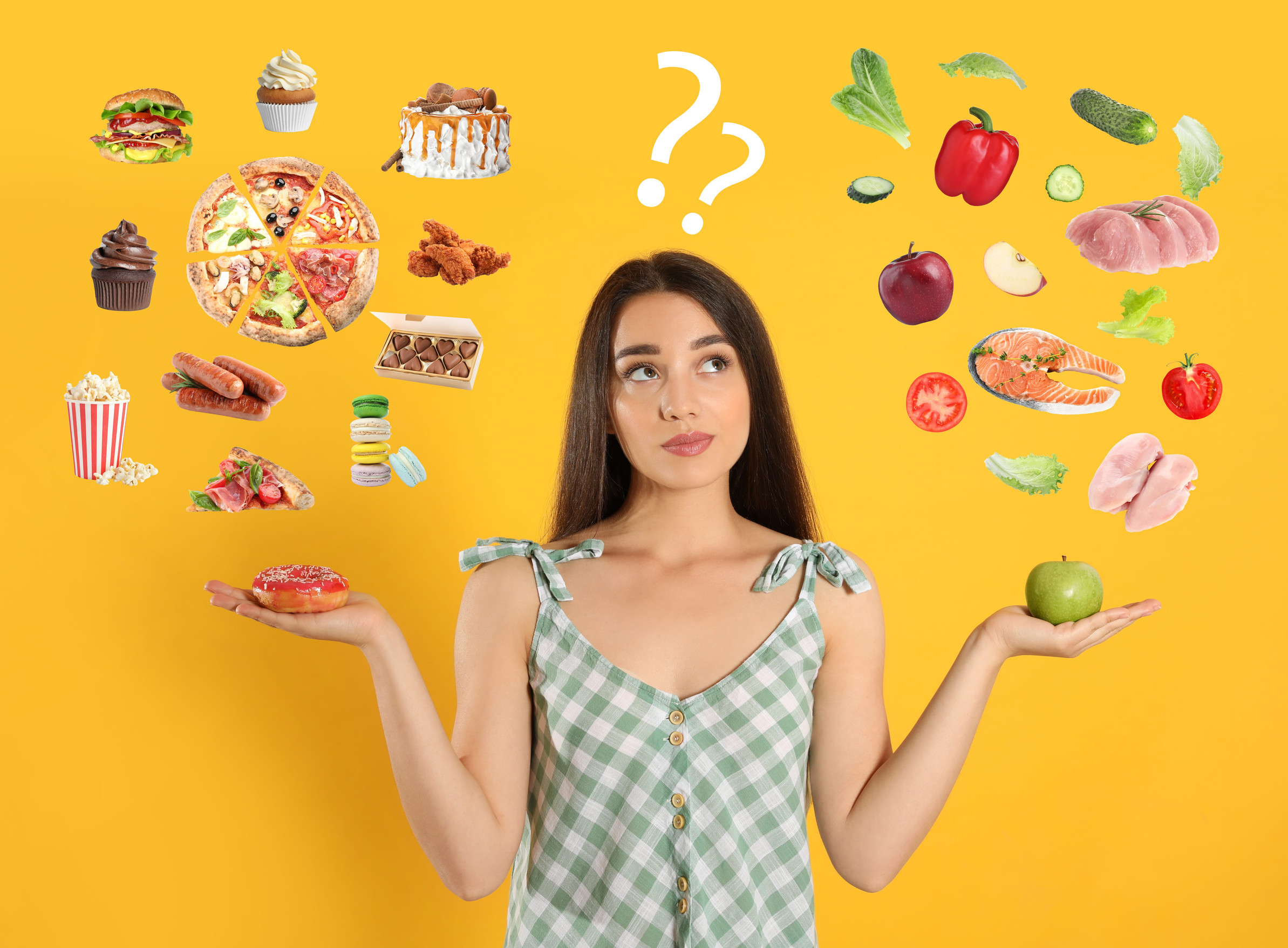
The modern grocery store reveals inequality in subtle ways. Some shoppers compare organic produce, specialty bread, and premium proteins. Others calculate which items can be removed before the cashier reaches the total.
This divide shapes health as well as finances. Cheaper food can be filling, but it may rely more on starch, sodium, sugar, and ultra-processed ingredients. Families under pressure often do not choose those options because they prefer them.
The result is a painful cultural split. Food becomes a symbol of care, status, health, and sacrifice. A parent who wants fresh berries or lean meat may settle for cheaper substitutes because the credit card is already close to its limit.
The Politics of the Grocery Bill Are Getting Louder
Few economic issues travel faster through American culture than food prices. A high grocery receipt is easy to photograph, post, share, and debate. It turns inflation from an abstract number into a kitchen-table argument.
That visibility makes grocery costs politically explosive. Voters may disagree about tax policy, trade, regulation, or interest rates. They rarely disagree that a painful supermarket bill feels personal.
Politicians understand this. Food prices now appear in campaign speeches, social media posts, and local news debates because they touch nearly every household. The grocery cart has become a political object, even when families only want an affordable dinner.
Social Media Makes the Pain Feel Bigger
Online culture has changed how Americans experience prices. Viral grocery hauls compare receipts from different states, stores, and years. These posts can validate frustration, but they can also deepen anxiety.
A person scrolling through videos may see a family feeding five people for less than expected. Another video may show a tiny haul with a shocking total. Both can make viewers question their own spending, location, or choices.
This digital comparison creates a strange pressure. Families feel watched, judged, and advised by strangers. The private act of buying food becomes part of a national conversation about discipline, blame, and survival.
The Poor Pay First, But Everyone Feels It
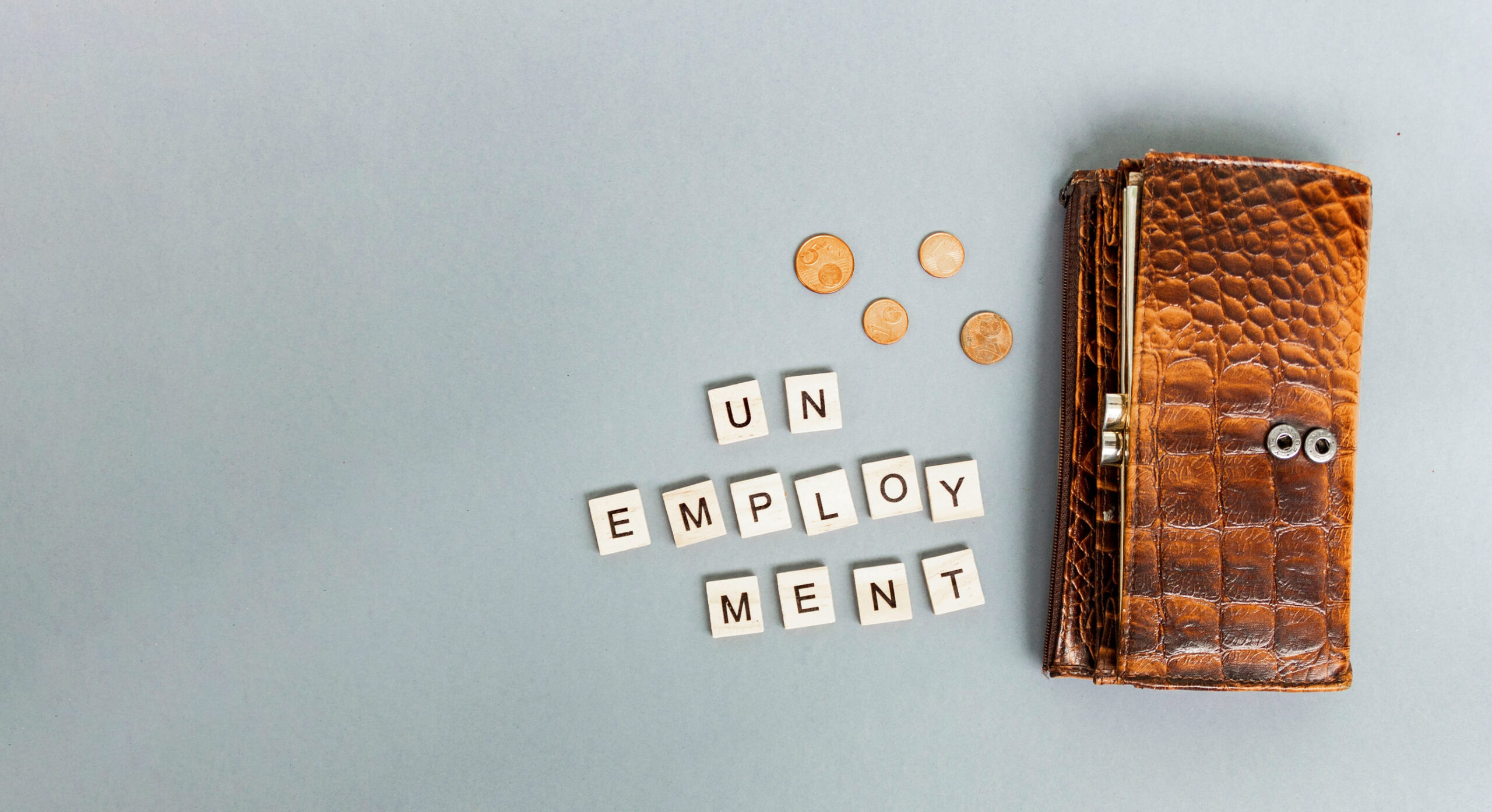
Low-income households feel grocery inflation most acutely because food takes up a larger share of their budgets. A small increase can force immediate cuts elsewhere. Transportation, medicine, school needs, and utility bills all compete for the same dollars.
Middle-income households often feel the strain later, but they are not immune. Their incomes may be higher, yet their fixed costs are also high. Mortgages, rent, child care, insurance, and student loans can leave little flexible cash.
This widening stress explains why the issue has moved beyond traditional poverty debates. Grocery costs that are pushing Americans into credit card debt now affect families who once considered themselves financially stable. That shift changes the national mood.
A Household Problem With National Consequences
Consumer debt does not stay inside the home. It influences spending, savings, mental health, family stability, and confidence in the economy. When millions of households rely on credit for essentials, the country carries hidden fragility.
Businesses may still see sales at the register. Credit cards allow people to keep buying, which can make consumer spending look stronger than household finances feel. The surface can look stable even as the foundation weakens.
This gap should worry policymakers, lenders, retailers, and communities. A country cannot measure economic health only by whether people keep spending. It also has to ask how they are paying.
The Checkout Line Is Asking a Bigger Question
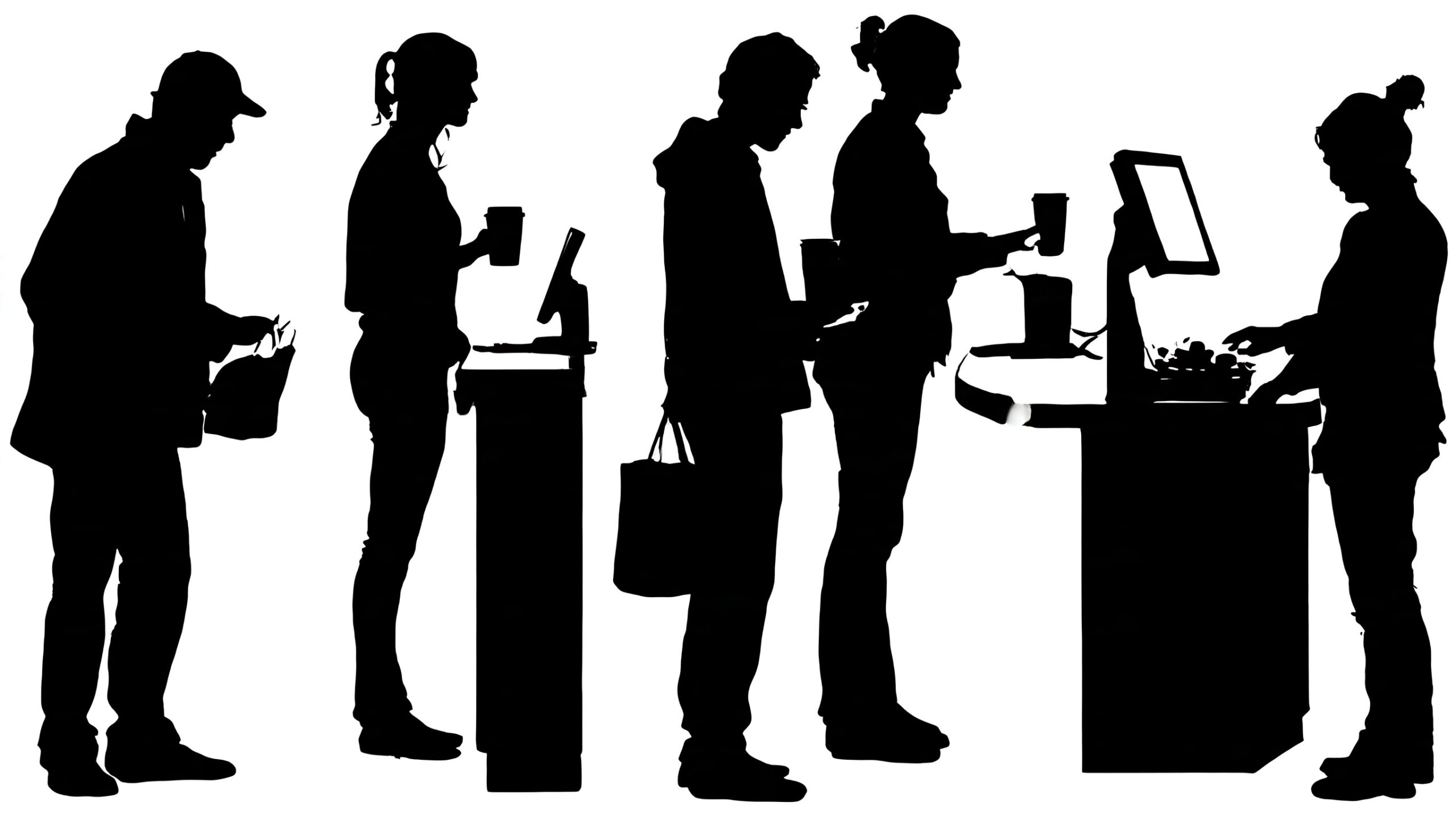
The grocery store has always reflected American life. It shows what families value, what they can afford, and what they are forced to give up. In this moment, it also shows how thin the line has become between daily survival and long-term debt.
Grocery costs that push Americans into credit card debt should not be dismissed as poor budgeting or consumer weakness. It is a sign that basic needs have become harder to manage in a high-cost economy. The most troubling part is not one expensive receipt, but the quiet normalizing of debt for essentials.
Final Thought
The question now is larger than food prices alone. If families must borrow to buy groceries, what does financial stability really mean in America? The answer may be waiting at the checkout counter, printed on a receipt many households are afraid to read.