Most people pour pasta water into the sink as if it has no value. It looks cloudy, salty, and forgettable, so it feels natural to throw it away once the noodles are cooked. That small habit may be one reason homemade pasta often tastes flat, dry, or oddly separate from the sauce.
The truth is simple. Pasta water is one of the cheapest tools in the kitchen. It carries starch, salt, heat, and flavor, which can help sauce cling, stretch a meal, rescue leftovers, and make simple food taste more complete. The problem is that many cooks waste it before it gets a chance to help.
Pouring It Away
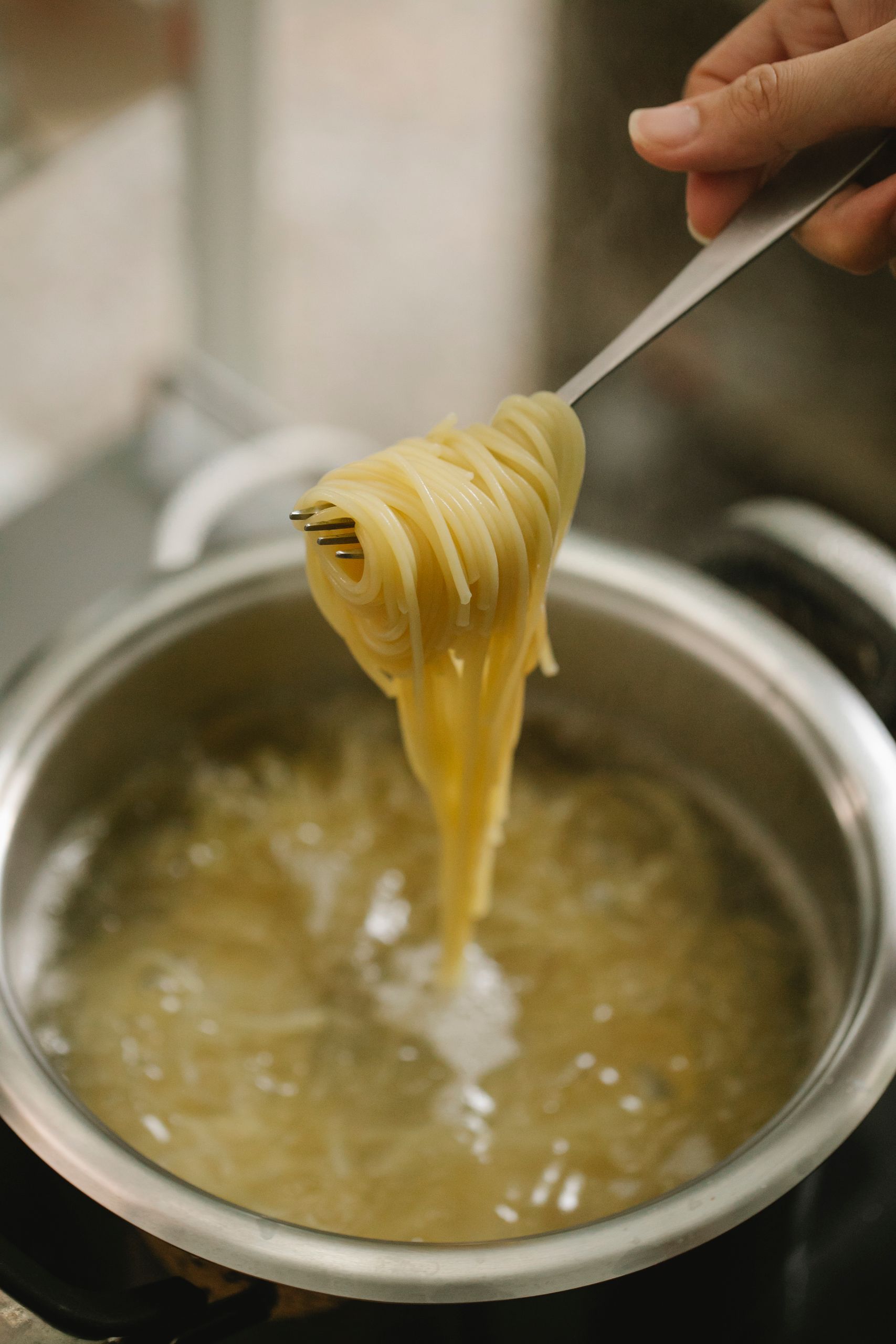
The biggest mistake is draining every drop before saving a cup. Pasta water may look useless, but it can turn a thin sauce into something smoother and richer. The starch helps the sauce hold onto the noodles instead of sliding to the bottom of the plate.
This matters even more when cooking with cheap ingredients. A jar of sauce, a little butter, garlic, and pasta water can taste far better than expected. Saving one cup before draining can change the entire meal without adding extra cost.
Adding Too Much
Pasta water helps, but too much can ruin the dish. Some people pour it in like soup stock, then wonder why the sauce tastes weak. The goal is not to drown the pasta. The goal is to loosen the sauce and make it glossy.
A small splash is usually enough at first. Stir the pasta, watch the texture, then add more only when needed. Good pasta should look coated, not watery. A careful hand makes the difference between a silky dinner and a sad bowl of noodles.
Skipping Salt
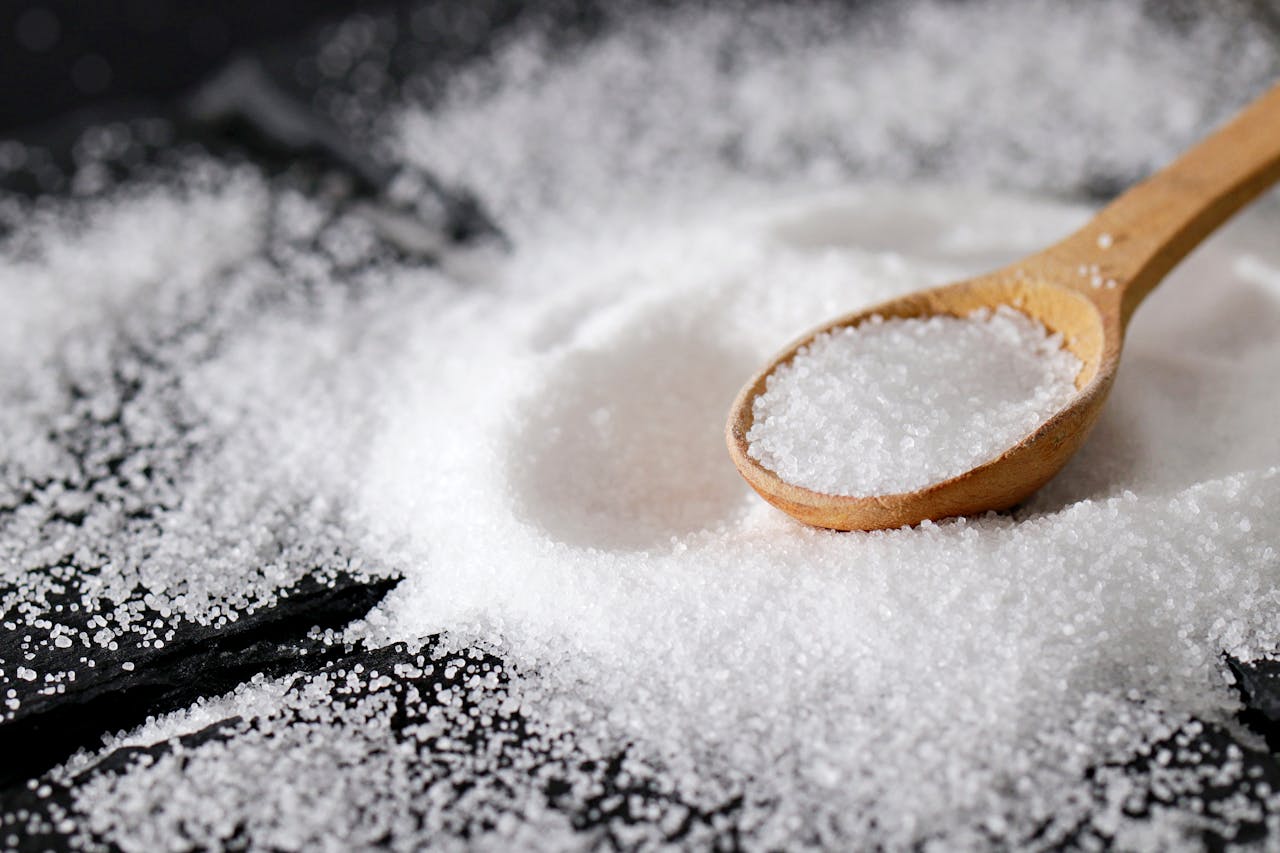
Plain pasta water is better than nothing, but salted pasta water does more. The noodles need seasoning while they cook, not only after they meet the sauce. If the water has no flavor, the final dish may still taste dull.
Salted pasta water gives the sauce a quiet lift. It adds depth without making the meal complicated. This is especially useful when the meal is built from pantry basics like tomato sauce, canned tuna, frozen vegetables, or leftover chicken.
Draining Too Fast
Many cooks rush the draining step and lose control of the meal. They dump the pasta, shake it dry, and toss it with a sauce that has no way to bind properly. Dry noodles can soak up sauce unevenly, leaving the dish feeling stiff.
A better move is to transfer the pasta into the sauce while it still carries a little moisture. Add a splash of pasta water and stir everything together in the pan. That short final step helps the noodles absorb flavor and makes the sauce feel more connected.
Wasting Sauce
Pasta water can rescue sauce that feels too thick, too oily, or too sharp. A splash can soften heavy tomato sauce, loosen creamy sauce, and bring oily garlic sauce together. It helps ingredients stop fighting each other.
This is why pasta water is useful for budget cooking. Cheap meals often need small tricks to feel satisfying. You may not have cream, cheese, or fancy stock, but you already have the water from the pot. Used well, it makes ordinary sauce feel more cared for.
Ignoring Leftovers
Leftover pasta often turns dry in the fridge. The sauce thickens, the noodles clump, and the whole dish can taste tired the next day. Many people add plain water when reheating, but that can make the flavor taste weaker.
Pasta water works better because the starch helps bring the sauce back to life. Add a little while reheating and stir until the noodles loosen. It can make yesterday’s dinner taste softer, fresher, and less like a punishment meal.
Missing Cheap Flavor
Pasta water is not only for pasta sauce. It can help soften onions, loosen browned bits from a pan, and stretch simple ingredients into a fuller meal. A splash can make garlic, tomatoes, herbs, and vegetables blend more smoothly.
That is why throwing it away is such a waste. In a kitchen where groceries cost more and leftovers matter, every small advantage counts. Pasta water costs nothing because it is already there. The only mistake is treating it like trash.

Final Bite
Great cooking is not always about expensive ingredients. Sometimes it is about noticing the simple things most people overlook. Pasta water may not look special, but it can make sauce smoother, pasta softer, and cheap meals taste more finished.
The next time pasta is on the stove, save a cup of the water before draining. That cloudy water could be the reason dinner tastes richer, cleaner, and less rushed. It is a tiny habit, but in a busy kitchen, tiny habits can save the whole plate. version of yourself, rather than treating past versions as shameful.
New Pressure
After weight loss, people may feel pressure to stay perfect. They may think they have to keep proving they are disciplined, attractive, successful, and in control. One small change on the scale can feel like failure.
That pressure can become emotionally dangerous. A healthy change should not turn into a life sentence of fear. The goal should be to feel stronger and more present, not to live under constant pressure to maintain an image for other people.
Real Healing
The hard truth is that weight loss can change a body without healing a life. It can open doors, improve confidence, and support health, but it cannot do the deeper work alone. The mind still needs care. The heart still needs honesty. The person still needs peace.
Real wellness is not just about being smaller. It is about feeling safe in your body, steady in your mind, and kind toward yourself. Losing weight may change how people see you, but healing changes how you live with yourself.