Everyday purchases used to be the soft part of the budget. A fast food run after work, a soda pack for the fridge, a weekend movie night, a fresh haircut, or a casual family outing did not feel like a financial decision. Now, those small buys carry the weight of bigger questions. We are watching Americans pause in grocery aisles, cancel subscriptions, and skip drive-through meals.
This is not just about inflation in the abstract. It is about value fatigue. Prices have climbed, portions have shrunk, service often feels worse, and many products no longer feel as durable, generous, or reliable as they once did. When households start cutting everyday purchases, the message is clear. People are no longer trimming only luxury spending; they are rethinking the ordinary things that used to make life feel easier.
Streaming Services Are Being Canceled One by One
Streaming was supposed to rescue people from bloated cable bills. For a while, it did. Then subscriptions multiplied, prices rose, password-sharing rules tightened, ads returned, and the best shows were scattered across too many platforms. We are now seeing households treat streaming as a rotating expense rather than a permanent part of the budget.
The new habit is simple: subscribe to one show, cancel, then move on. That is a major shift from the old “set it and forget it” model. Consumers are becoming less patient with monthly charges that quietly stack up. A few dollars here and there may not sound like much, but four or five subscriptions can add up to a serious bill.
When entertainment feels fragmented and expensive, the library card, free ad-supported apps, YouTube, and one shared family movie night start looking much smarter.
Soda Is Becoming Too Expensive for a Casual Treat
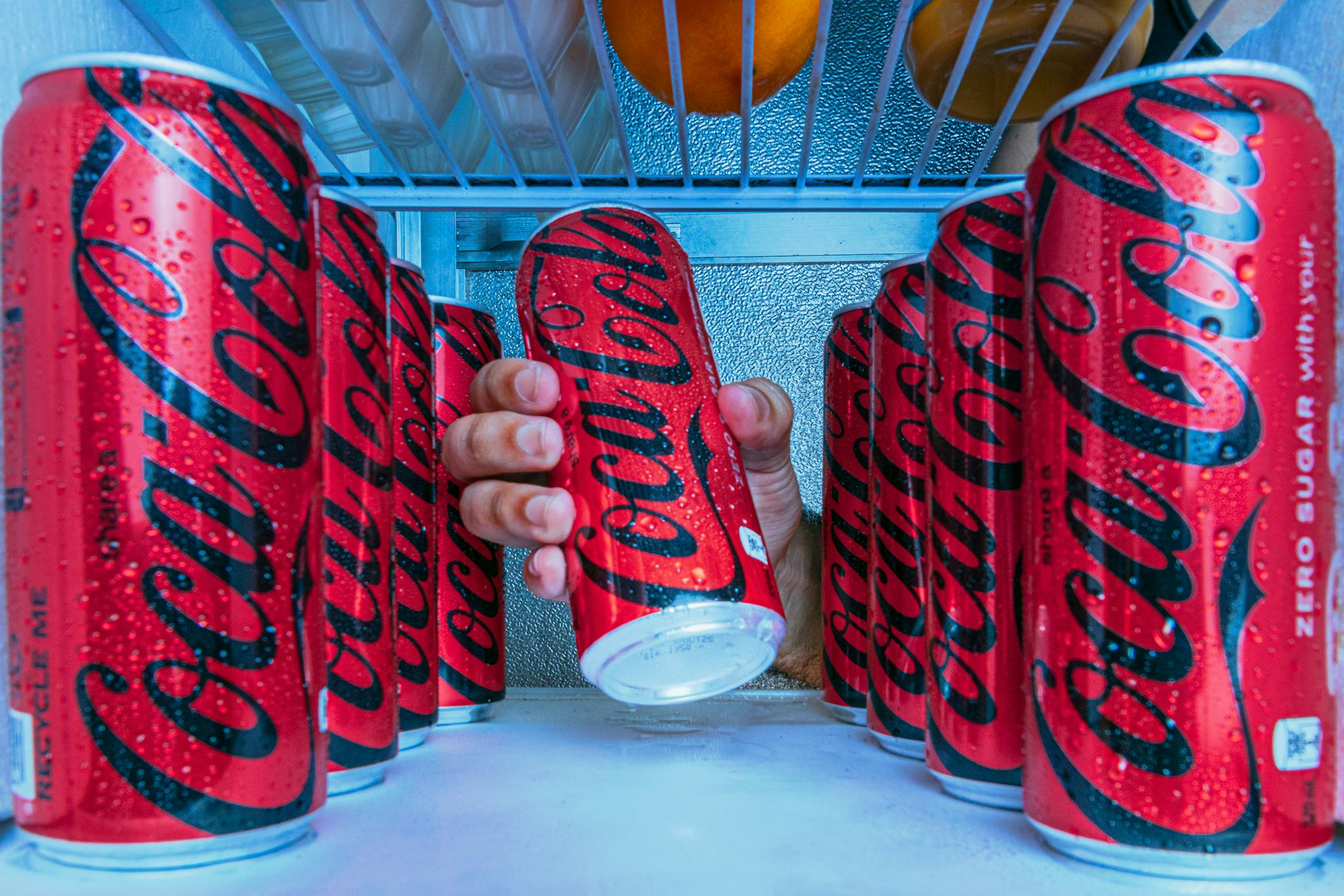
Soda used to sit in the harmless treat category. Families picked up a 12-pack during grocery runs, hosts stocked it for guests, and workers grabbed bottles from convenience stores without much thought. Now, many shoppers are looking at shelf prices and walking away. The price jump feels especially irritating because soda is not a need, and consumers know it.
That makes soda easy to cut. People may switch to tap water, store-brand drinks, flavored water packets, homemade iced tea, or simply buy soda only during sales. The psychology matters here. When a small indulgence starts feeling overpriced, it loses its charm. We are seeing shoppers punish that category quickly because dropping soda does not require a major lifestyle change.
Concert Tickets Have Moved Into Luxury Territory
Concerts used to feel like a big night out, not a financial event. Today, ticket fees, dynamic pricing, parking, drinks, rideshares, and merchandise can turn one evening into a painfully expensive outing. Fans who spent years attending live shows are now skipping artists they genuinely love because the final checkout price feels insulting.
This is where value fatigue becomes emotional. People are not avoiding concerts because they stopped caring about music. They are avoiding concerts because the industry has made live entertainment feel less accessible. When the cheapest seat still feels overpriced, many fans choose livestreams, local shows, smaller venues, festivals with better value, or simply wait.
New Clothes Are Losing the Fight Against Secondhand Shopping

Clothing is another everyday purchase Americans are rethinking. Shoppers are frustrated by higher prices, thinner fabrics, inconsistent sizing, and fast-fashion items that do not last. When a shirt costs more but feels worse, people notice. That frustration has pushed more consumers toward thrift stores, resale apps, clothing swaps, and smaller wardrobes built around pieces they actually wear.
The secondhand shift is not just about saving money. It is also about control. Consumers feel better buying a quality used jacket than paying full price for something that looks tired after three washes. We are seeing shoppers become more strategic about clothing, especially workwear, children’s clothes, coats, and special-occasion outfits. New clothing still has a place, but impulse fashion is much easier to cut back on.
Beef Is Turning Into a Special-Occasion Food
Purchases of steak, roast beef, and even some ground beef are becoming less routine for many families. Beef has always been more expensive than other proteins, but recent price pressures have made shoppers more cautious. We are seeing people trade down to chicken, pork, turkey, beans, lentils, eggs, canned fish, or smaller portions stretched across more meals.
This shift does not mean Americans are giving up beef completely. It means beef is becoming more intentional. A ribeye dinner may move from a monthly habit to a birthday meal. Ground beef may be mixed with beans or vegetables to stretch tacos, pasta sauce, or casseroles. Consumers still want comfort food, but they are rewriting recipes to fit their budgets. The steakhouse now has to earn its place in the budget.
Chocolate and Candy Are Starting to Feel Like Splurges

Chocolate used to be one of the easiest treats to justify. A candy bar, a small bag of chocolates, or a baking bar felt like a low-cost mood booster. Now, shoppers are more likely to notice the price, the smaller package, and the weaker value. That matters because candy lives in the emotional spending lane. Once it feels expensive, the emotional reward drops.
Consumers are responding by buying candy only on sale, switching to store brands, choosing smaller portions, or skipping it entirely. Some are baking at home. Others are replacing candy with fruit, yogurt, peanut butter, or simple desserts made from pantry staples. The point is not that chocolate has disappeared from American homes. The point is that it no longer feels like an automatic add-on at checkout.
Amazon Prime No Longer Feels Automatic
Amazon Prime built its appeal on speed, convenience, and habit. Many households kept the subscription because it felt useful enough to forget about. That automatic loyalty is weakening. Consumers are now looking at delivery delays, subscription costs, impulse purchases, excess packaging, and the rise of cheaper store pickup options with a more skeptical eye.
The value question is direct. Are we actually saving money, or are we buying more because ordering feels too easy? For some shoppers, canceling Prime reduces impulse spending as much as it reduces subscription costs. Others keep it only during busy seasons, share household access, or wait until they have enough items to qualify for free shipping without the membership.
Family Fun Centers Are Becoming Planned Expenses

Mini golf, arcades, trampoline parks, skating rinks, bowling alleys, and similar family outings used to be easy weekend ideas. Now, admission fees, game cards, snacks, parking, and add-ons can turn a few hours of fun into a surprisingly large bill. For families with multiple children, the price jump feels even sharper.
Parents are not cutting these outings because they do not value family memories. They are cutting them because the cost has moved beyond casual entertainment. A trip that once felt spontaneous now requires planning, coupons, off-peak pricing, or a special occasion.
Families are replacing paid outings with parks, home movie nights, library events, community festivals, backyard games, and free local activities. The desire for fun remains strong, but the spending threshold has changed.
Health Insurance Feels Impossible for Too Many Middle-Class Families
Health insurance is not a normal “everyday purchase,” but it has become one of the most painful recurring costs in American life. Premiums, deductibles, copays, prescription costs, and confusing plan rules make coverage feel financially punishing even for people with jobs. Many households do not feel protected; they feel trapped between paying too much every month and risking a medical bill they cannot handle.
This is one of the bleakest examples of value fatigue because consumers cannot treat health care like soda or streaming. They cannot simply decide they do not need it. Yet many people are choosing higher deductibles, delaying care, skipping optional visits, or changing jobs partly because of benefits. That is a serious warning sign.
When coverage feels unaffordable to the people it’s supposed to protect, the system starts to feel less like insurance and more like another financial cliff.
Mouthwash and Drugstore Basics Are Being Questioned

The surprise cuts are often the most revealing. Mouthwash, razors, deodorant, toothpaste upgrades, skincare refills, vitamins, and other drugstore basics are now getting second looks from shoppers. These items used to land in the cart with little debate. Now, a higher shelf price can make people compare brands, wait for coupons, choose generics, or skip anything that feels optional.
This does not mean people are abandoning hygiene. It means they are separating needs from brand habits. A shopper may keep toothpaste but drop premium mouthwash. They may buy a store-brand razor instead of a cartridge refill pack. They may simplify skincare to fewer products. Drugstore aisles are becoming a testing ground for a new kind of consumer discipline. If the price feels inflated, loyalty disappears quickly.
Conclusion
Everyday purchases tell us more about household pressure than big luxury cuts ever could. When people skip concerts, cancel streaming, stretch hair appointments, stop buying soda, and rethink fast food, they are not just being frugal. They are defending their budgets from a thousand small leaks.
The brands that survive this moment will be the ones that respect the new consumer mood. Americans are not asking for everything to be cheap. They are asking for prices to make sense again. Until that happens, more once-normal purchases will keep moving from automatic to optional.