High blood pressure, or hypertension, affects millions worldwide and raises the risk of heart attacks, strokes, kidney disease, and long-term vascular damage. While medications play a role, dietary choices are crucial in controlling blood pressure. Certain foods and drinks can trigger spikes and aggravate hypertension, making it essential to understand what to avoid. This guide explores 12 dietary culprits, explains their impact, and offers practical tips for healthier alternatives.
Diet directly affects blood pressure. Sodium, unhealthy fats, sugar, and alcohol have measurable effects on arterial health, fluid retention, and heart function. Even small daily choil ike a salty snack or sweetened beverage can accumulate over time and worsen hypertension. This guide details these hidden risks and offers actionable strategies to protect cardiovascular health.
Salt and High-Sodium Processed Foods
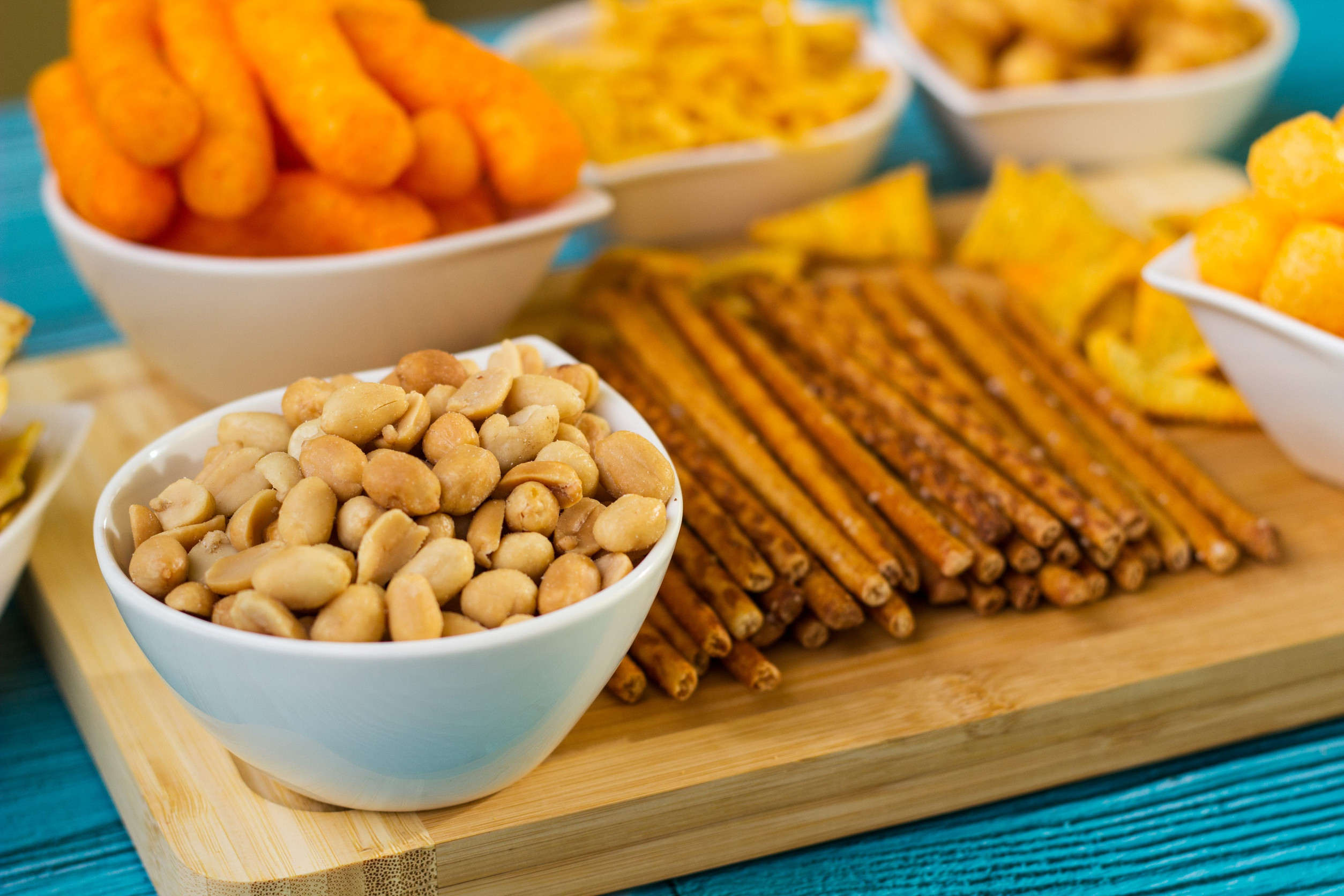
Excess sodium is the primary dietary driver of high blood pressure. Sodium prompts the body to retain water, increasing blood volume and arterial pressure. Processed foods, canned soups, frozen dinners, deli meats, and snack foods often contain hidden sodium levels far exceeding recommended daily limits. Even condiments like soy sauce, ketchup, and salad dressings contribute significantly to sodium intake. Fast foods such as fries, fried chicken, and pizza are particularly concerning, as a single meal can provide more than half the daily sodium limit.
Fast foods such as fries, fried chicken, and pizza are particularly concerning, as a single meal can provide more than half the daily sodium limit. To control blood pressure, aim for less than 1,500 mg of sodium per day, far below the typical Western intake of 3,400 mg. Reading nutrition labels and preparing meals at home can dramatically reduce hidden sodium consumption.
Canned and Processed Meats
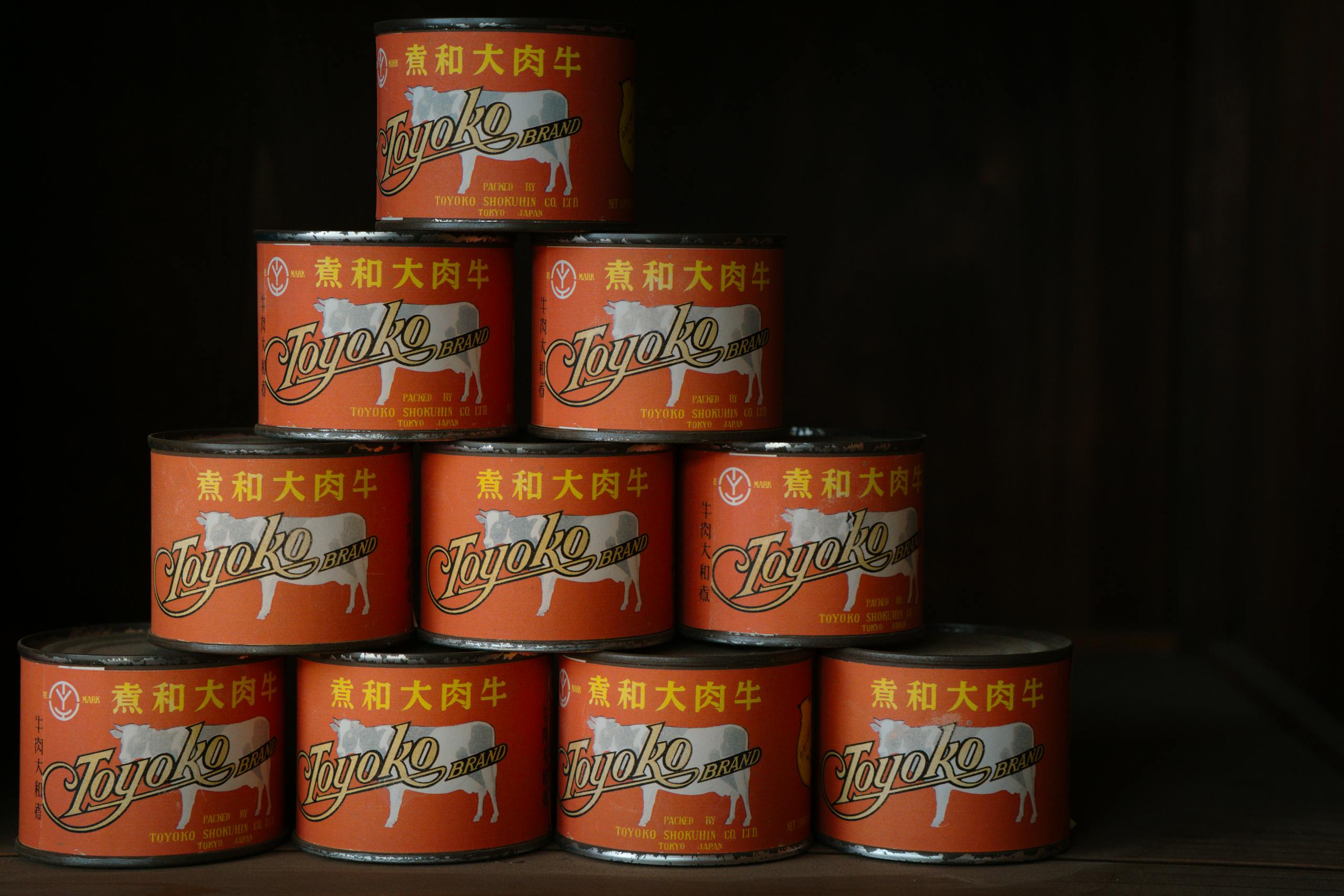
Bacon, sausages, hot dogs, ham, and deli meats are rich in both sodium and saturated fats. These foods increase vascular resistance and promote cholesterol buildup, thereby elevating blood pressure and straining the heart. Preservatives and nitrates in processed meats can further worsen arterial function.
Regular consumption of these meats is linked to heightened hypertension risk. Swapping processed meats for lean protein options such as skinless poultry, fish, legumes, or tofu reduces both sodium and unhealthy fat intake while supporting heart health.
Foods High in Saturated and Trans Fats
Saturated and trans fats contribute to arterial stiffness and plaque formation, making it harder for the heart to pump blood efficiently. Fatty cuts of meat, full-fat dairy products, butter, lard, and baked goods with hydrogenated oils are common sources. Trans fats, found in some fried foods, packaged pastries, and margarine, exacerbate inflammation and cholesterol imbalance. Limiting these fats lowers the risk of hypertension and improves overall cardiovascular function.
Trans fats, found in some fried foods, packaged pastries, and margarine, exacerbate inflammation and cholesterol imbalance. Limiting these fats lowers the risk of hypertension and improves overall cardiovascular function. Replacing them with unsaturated fats from olive oil, avocados, nuts, and seeds can have protective effects on blood vessels.
Sugary Foods and Sweetened Beverages
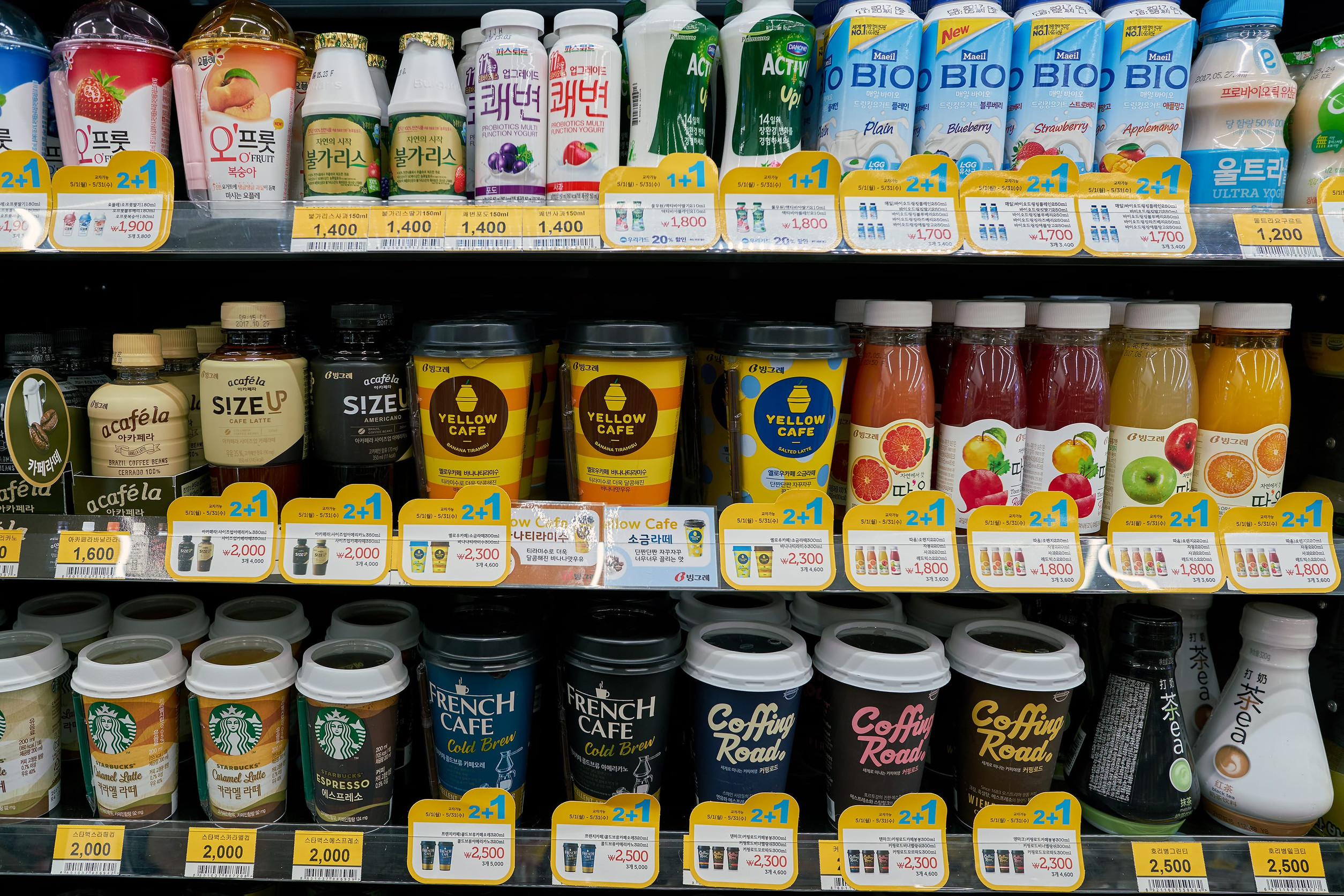
Added sugars elevate blood pressure indirectly through weight gain, insulin resistance, and metabolic disturbances. Sodas, sweetened juices, energy drinks, and desserts such as cookies, pastries, and ice cream contribute to excessive sugar intake. Consuming high amounts of sugar encourages visceral fat accumulation, which increases vascular resistance and systemic inflammation.
Consuming high amounts of sugar encourages visceral fat accumulation, which increases vascular resistance and systemic inflammation. Reducing sugar-laden foods and drinks while choosing naturally sweet alternatives like fruits helps maintain healthy blood pressure and supports metabolic health.
Alcohol

Excessive alcohol intake raises blood pressure and interferes with the effectiveness of antihypertensive medications. Even moderate alcohol consumption can cause temporary spikes in blood pressure, particularly in sensitive individuals. As a result, guidelines suggest limiting intake to one drink per day for women and two for men.
Guidelines suggest limiting intake to one drink per day for women and two for men. Heavy or binge drinking poses the greatest risk for long-term cardiovascular damage, making moderation or avoidance crucial for blood pressure control.
Excessive Caffeine
Caffeine can induce short-term increases in blood pressure by stimulating the cardiovascular system. Coffee, energy drinks, and certain teas are primary sources. People with hypertension should monitor their caffeine sensitivity, as even moderate consumption can trigger noticeable spikes in some individuals. To manage its impact, reduce caffeine intake or choose decaffeinated alternatives.
Reducing caffeine intake or choosing decaffeinated alternatives helps maintain more stable blood pressure levels. Observing personal responses to caffeine is key to managing its impact.
Sugary Soft Drinks
Soft drinks combine high sugar and low nutritional value, contributing to obesity and metabolic dysfunction that exacerbate hypertension. Each can or bottle often contains multiple teaspoons of added sugar, which can promote insulin resistance and vascular stress over time.
Replacing sugary drinks with water, sparkling water, or unsweetened herbal teas can dramatically reduce sugar-related spikes in blood pressure and support overall cardiovascular health.
Energy Drinks
Energy drinks are particularly dangerous for hypertensive individuals, as they contain both high caffeine and sugar levels. Acute consumption can sharply raise blood pressure, while chronic use contributes to sustained cardiovascular stress.
Opting for healthier hydration options, such as low-sugar electrolyte beverages or plain water, mitigates these risks without sacrificing energy levels throughout the day.
High-Sodium Vegetable Juices
Commercial vegetable juices, especially tomato-based products, often contain hidden sodium. While vegetables are generally beneficial, excessive sodium in juices can offset the advantages, worsening blood pressure. Preparing homemade low-sodium vegetable juices or choosing fresh vegetables helps ensure adequate nutrient intake without harmful sodium levels.
Preparing homemade low-sodium vegetable juices or choosing fresh vegetables helps ensure adequate nutrient intake without excessive sodium. Consuming whole vegetables is preferable, as fiber and other compounds aid vascular health.
Certain Herbal Teas and Supplements
Some herbal teas and supplements can influence blood pressure. Licorice root, ginseng, and certain stimulant-containing blends may elevate pressure or interact with medications. Before using any herbal product, consult a healthcare provider, especially if taking antihypertensive drugs.
Before using any herbal product, consult a healthcare provider, especially if taking antihypertensive drugs. Choosing verified, low-risk herbal teas like hibiscus or chamomile may offer benefits without increasing the risk of hypertension.
Hidden Sodium in Baked and Dairy Products
Bread, bakery items, cheese, and pickled foods often contain unexpectedly high sodium levels. Even everyday staples can cumulatively increase daily sodium intake beyond recommended limits, silently worsening blood pressure.
Selecting low-sodium or homemade versions and being mindful of portion sizes helps mitigate hidden sodium exposure while still enjoying these foods.
Restaurant and Takeaway Meals
Restaurant dishes are typically high in sodium, fats, and calories. Fast food meals, takeaway pizza, and fried items often exceed safe sodium thresholds in a single serving, making them a significant contributor to hypertension. Preparing meals at home with fresh ingredients, controlling seasoning, and using herbs and spices for flavor reduces reliance on unhealthy restaurant foods.n.
Preparing meals at home with fresh ingredients, controlling seasoning, and using herbs and spices for flavor reduces reliance on unhealthy restaurant foods. Mindful eating and moderation in dining out remain key strategies for blood pressure management.
Maintaining optimal blood pressure requires more than medication. Avoiding high-sodium foods, processed meats, unhealthy fats, added sugars, excessive alcohol, and stimulants is crucial. When combined with fresh, whole foods and mindful eating, these strategies significantly reduce the risk of hypertension and protect cardiovascular health. Consistent, informed dietary choices empower individuals to take control of their blood pressure and overall wellness.