Grocery shopping in America no longer feels like a simple household routine. It feels like walking through a store full of small betrayals, where the foods people once tossed into the cart without thinking now force them to stop, compare, and sometimes walk away.
The painful part is that many of these are not luxury foods. They are breakfast staples, lunch shortcuts, family dinner favorites, and comfort snacks that used to make ordinary life feel a little easier.
The problem is bigger than one expensive steak or one overpriced cup of coffee. Americans are cutting back on foods they still love because the price no longer matches the role those foods used to play in daily life. These are the everyday items quietly becoming too expensive for regular families to enjoy the way they once did.
Steak is becoming a rich person’s dinner.
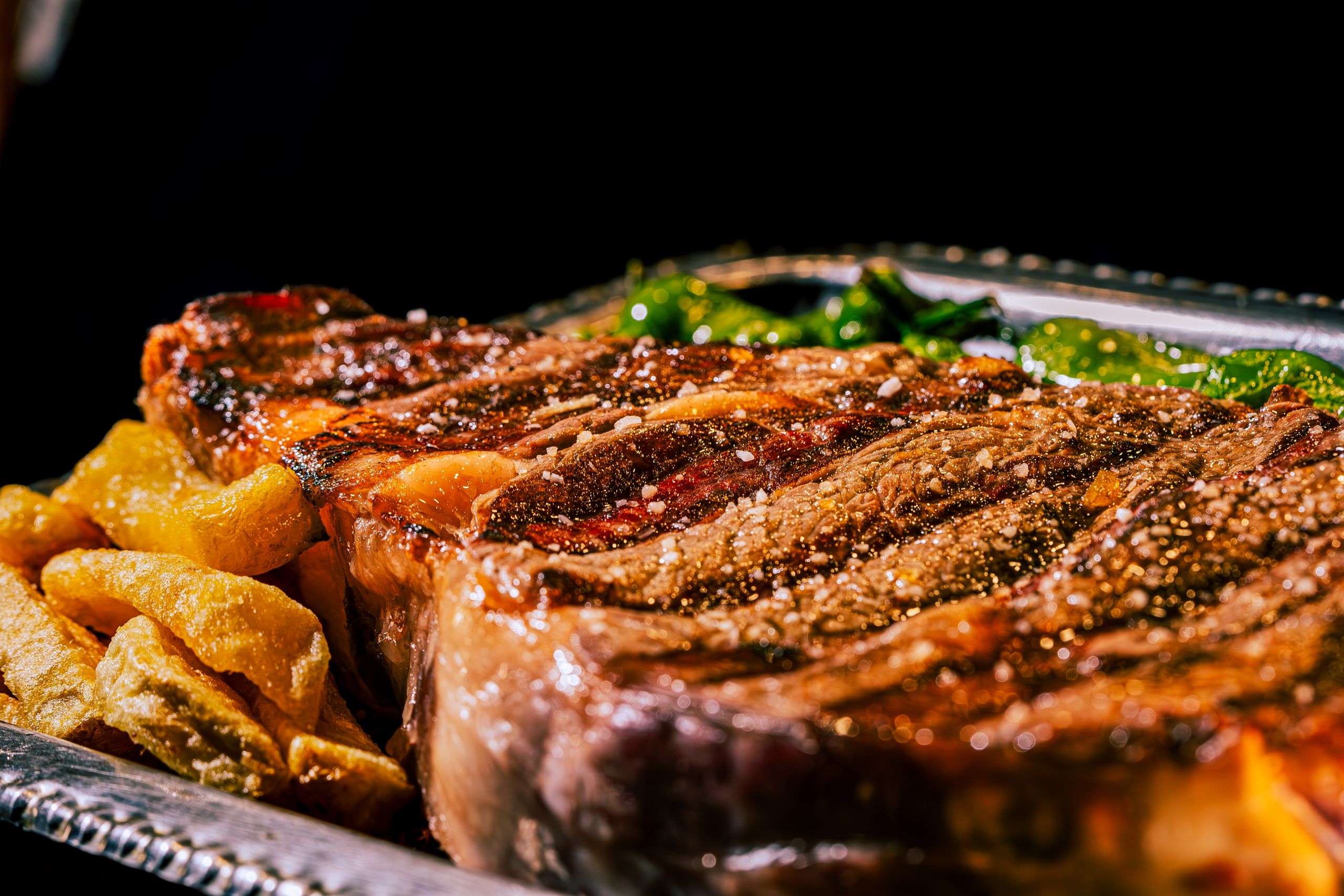
Steak has always carried a little celebration with it, but now it feels less like a treat and more like a warning label for the wallet. Many families who once bought steak for weekend dinners now save it for birthdays, holidays, or rare sales. The price of beef has made shoppers rethink what a satisfying dinner should look like.
That shift hurts because steak has long been tied to American ideas of comfort, reward, and a good meal after a hard week. Now, cheaper proteins often take their place. Chicken, pork, ground turkey, and beans are stepping in because the family budget leaves little room for pride at the meat counter.
Ground beef no longer feels cheap.
Ground beef used to be the reliable hero of affordable meals. It worked for burgers, tacos, pasta sauce, meatloaf, chili, and casseroles without making dinner feel like a financial decision. Now, even ground beef can make shoppers pause before buying enough for the whole family.
This change hits especially hard because ground beef is not a fancy cut. It was supposed to be practical. When a basic protein starts feeling expensive, households begin stretching it with beans, rice, pasta, potatoes, or vegetables just to make dinner go further.
Coffee is turning into a controlled habit.
Coffee is one of the last things Americans want to surrender. It is tied to early mornings, long commutes, office stress, parenting exhaustion, and the small comfort of feeling human before the day begins. But coffee prices have pushed many people to become more careful with a habit they once took for granted without thinking.
Some shoppers are buying cheaper blends, skipping premium bags, making weaker pots, or cutting back on coffee shop visits. The sad part is that coffee has not become less necessary for many people. It has simply become another daily pleasure that now comes with a price check.
Fast food is losing its cheap meal reputation.
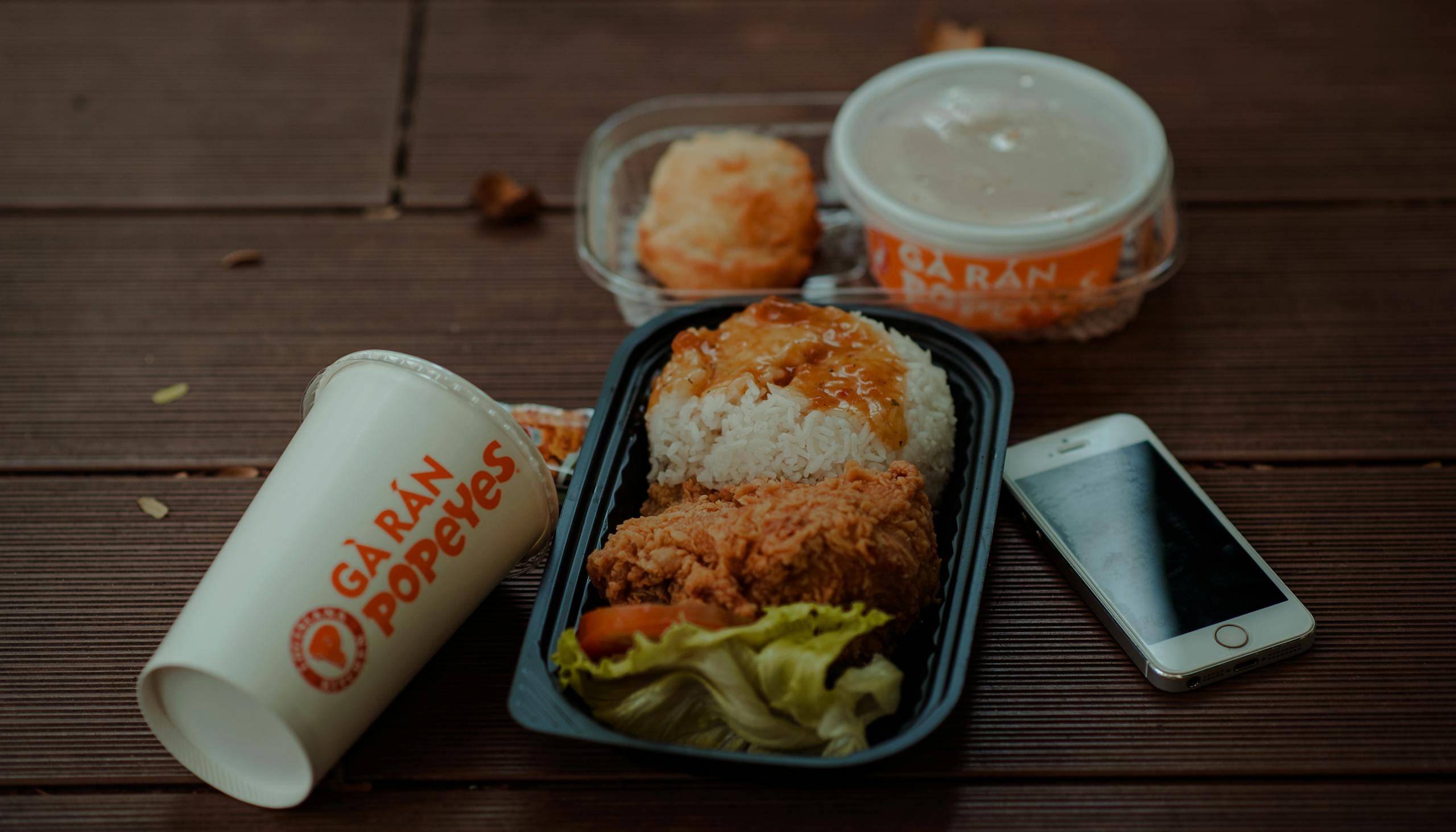
Fast food used to be the backup plan when life got busy. It was quick, predictable, and cheap enough to justify after school, after work, or during a long drive. Now, a simple combo meal can feel uncomfortably close to the cost of a sit down meal or several basic groceries.
That has changed how Americans think about convenience. People still want the burger, fries, and drink, but they are more likely to use app deals, skip extras, share meals, or avoid the drive thru altogether. Fast food has not disappeared, but it has lost part of its old magic as a cheap escape from cooking.
Fresh seafood feels like a luxury aisle item.
Fresh seafood has always cost more than many basic proteins, but now the gap feels much wider. Salmon, shrimp, crab, and fresh fish can quickly turn a normal grocery trip into a painful experience. For many families, seafood is no longer a casual weeknight dinner choice.
Frozen seafood, canned tuna, and cheaper fish options have become the realistic compromise. People still want healthier meals and a better variety, but the fresh seafood counter often feels designed for shoppers with more room in the budget. That makes seafood one of the first favorites to disappear when money gets tight.
Brand name cereal is getting harder to defend
Brand name cereal once ruled American breakfast because it was easy, familiar, and kid approved. Now, those colorful boxes can feel shockingly expensive, especially when the box looks smaller and disappears after only a few mornings. Families are asking whether nostalgia is worth the price.
That is why oatmeal, store brand cereal, toast, eggs, and homemade breakfast options are gaining attention. Parents still want quick mornings, but they also want food that stretches. A cereal box that costs too much and empties too fast starts to feel like a bad deal.
Fresh berries are becoming a painful little luxury.

Fresh berries look innocent in the produce section, but their prices can sting. A small container of strawberries, blueberries, raspberries, or blackberries may not last long enough to justify the cost, especially in homes with children. What used to feel like a healthy snack now feels like a tiny luxury purchase.
Many shoppers now wait for sales or switch to frozen berries for smoothies, desserts, and breakfast bowls. Others choose bananas, apples, or canned fruit because they stretch further. Fresh berries still feel bright and healthy, but the price has made them less casual.
Chips and snacks are shrinking trust.
Snack foods are another category where Americans feel squeezed. Bags look big, but many shoppers notice there seems to be more air and fewer chips inside. When the price rises and the package feels lighter, people start feeling tricked.
That frustration pushes shoppers toward store brands, popcorn, crackers, bulk snacks, or homemade options. Chips still win during cravings, sports nights, and road trips, but they no longer feel like a harmless add on. They feel like one more small purchase that adds up too quickly.
Deli sandwiches are no longer a smart shortcut.
A deli sandwich used to feel like a reasonable lunch solution. It was faster than packing food and cheaper than going to a restaurant. Now, many prepared sandwiches cost enough to make workers wonder why they did not just bring leftovers from home.
This is where the lunch budget gets personal. A sandwich, drink, and small snack can quietly become a major weekly expense. More Americans are returning to homemade lunches because the convenience of the deli counter is harder to justify when the paycheck is already stretched.
Bakery desserts are becoming homemade again.
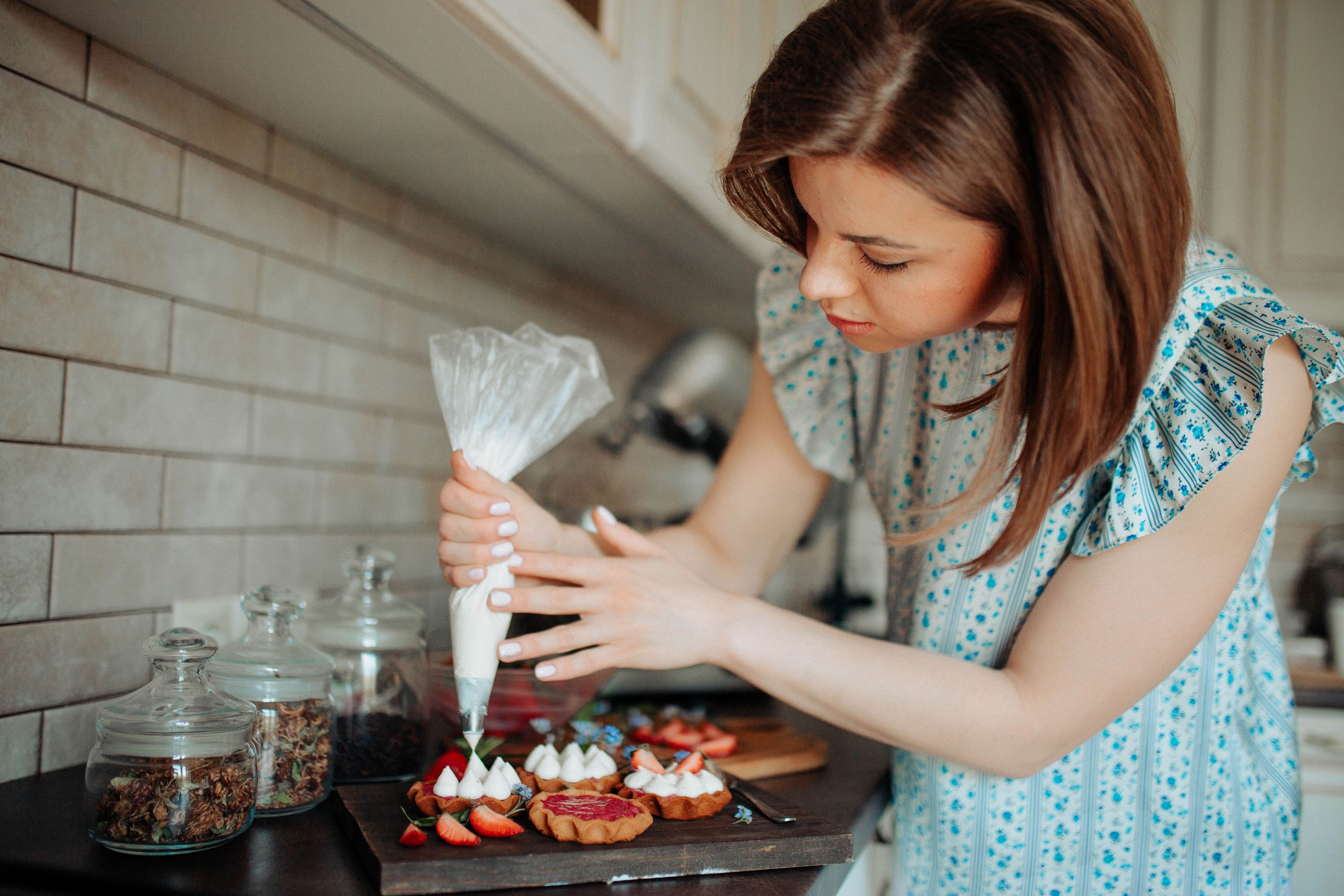
Bakery cakes, cookies, cupcakes, muffins, and pastries still look tempting, but their prices can make shoppers back away. A small dessert tray can cost more than the ingredients needed to make something simple at home. For families watching every dollar, bakery treats are often easy to cut first.
That does not mean Americans have lost their sweet tooth. It means boxed brownies, homemade cakes, freezer desserts, and simple cookies are coming back for practical reasons. Celebration still matters, but the bakery markup is harder to accept when everything else in the cart already costs more.
Conclusion
The ugly truth is that Americans are not giving up these foods because they have stopped enjoying them. They are giving them up because every day eating has become more expensive, more strategic, and more exhausting. The foods that once made life feel normal now come with a silent question at checkout: Is this still worth it?
That question is changing American kitchens. Families are stretching meat, trading brands, cooking more at home, skipping extras, and saving once ordinary foods for special moments. The grocery cart now tells a bigger story about pressure, sacrifice, and the quiet ways people are trying to keep comfort on the table without letting the receipt win.