By the time a girl turns 16, the world has already started speaking loudly into her life. Friends have opinions. Social media has opinions. School has pressure. Beauty culture has rules. Strangers, classmates, algorithms, and even well-meaning adults can all try to shape how she sees herself before she has fully learned how to protect her peace.
That is why the lessons we teach our daughters before 16 matter so much. These are not small lectures for the car ride home. They are life tools. They help her make better choices, trust her instincts, build confidence, manage relationships, respect her body, handle money, and walk away from anything that shrinks her spirit. A daughter who enters her teenage years with these lessons is not protected from every mistake, but she is far less likely to let those mistakes define her.
Teach Her That She Can Always Come Home Emotionally

One of the most important lessons a daughter can learn before 16 is that she can come to us without fear of humiliation. This does not mean we approve of every choice. It means we stay emotionally safe enough for her to tell the truth even when it is messy. If she feels that honesty will only bring screaming, shame, or rejection, she may hide the very things we need to know.
We should build that safety before a crisis arrives. Listen when she talks about small things so she trusts us with big things. Avoid turning every confession into a lecture. Ask calm questions. Correct with love. Hold boundaries without destroying connection. A daughter who knows she can come home emotionally has a stronger shield against fear, secrecy, and unsafe decisions.
Teach Her That Self-Belief Is Not Arrogance
A daughter needs to know that believing in herself is not prideful, rude, or unrealistic. It is the foundation she will stand on when people question her dreams, underestimate her intelligence, or try to make her feel small. We should teach her to speak about her strengths without apologizing, to try difficult things without waiting for permission, and to understand that confidence grows through action, not perfection.
Self-belief also means helping her build an inner voice that sounds kind, honest, and steady. When she fails a test, loses a friendship, misses a goal, or feels embarrassed, she should not immediately decide that she is useless. She should know how to pause, review what happened, learn from it, and try again with more wisdom. A girl who believes in herself does not think she is better than everyone else. She simply knows she is not beneath anyone, either.
Teach Her How to Say No Without Guilt
Before age 16, every daughter should understand that “no” is a complete and powerful word. She does not need a long explanation to reject pressure, discomfort, unwanted attention, unsafe situations, or emotional manipulation. We should teach her that her body, time, energy, and choices belong to her. A polite girl should never be trained to become an easy target.
This lesson is especially important because many girls are raised to keep everyone comfortable. They are praised for being sweet, agreeable, helpful, and quiet. Those traits can be beautiful, but they become dangerous when they teach a girl to ignore her own discomfort. She should know the difference between kindness and people-pleasing. Kindness respects others. People-pleasing abandons the self to avoid conflict.
Teach Her That Her Body Deserves Respect, Not Public Approval
A girl’s body can become a battleground long before she is old enough to understand why. Comments about weight, skin, hair, clothes, shape, and beauty can follow her from school hallways to social media feeds. We should teach our daughters that their bodies are not projects for public review. Their bodies are homes they deserve to care for with patience, dignity, and respect.
This means we should talk about rest, nutrition, movement, hygiene, puberty, boundaries, and self-care without shame. We should avoid teaching body confidence as a slogan and start teaching it as a practice. She needs to hear that health is more important than comparison, that beauty changes across cultures and trends, and that no filter, trend, or insult gets to decide her worth. A daughter who respects her body learns to protect it better.
Teach Her How to Choose Friends Who Do Not Drain Her

Friendship can shape a girl’s confidence, habits, language, decisions, and emotional safety. Before she turns 16, she should learn that not every person who laughs with her is loyal to her. A real friend does not constantly compete, humiliate, gossip, exclude, pressure, or make her feel nervous about being herself. Friendship should feel supportive, not like a daily performance review.
We should teach her to notice patterns instead of excuses. Does this friend celebrate her wins? Does this friend respect her boundaries? Does this friend make her feel safe to speak honestly? Does this friend apologize when wrong? These questions matter. A daughter who understands healthy friendship will still face disappointment, but she will recover faster because she will know that walking away from toxic company is not betrayal. It is self-respect.
Teach Her That Education Is More Than Grades
Grades matter, but they are not the full meaning of education. A daughter should know that learning gives her choices. It helps her ask better questions, understand the world, communicate clearly, solve problems, and protect herself from being easily misled. School is one part of education, but curiosity is the lifelong engine behind it.
We should encourage her to read, research, challenge weak arguments, ask questions, and explore interests outside the classroom. She does not need to become perfect in every subject to become powerful in her thinking. What she needs is the habit of learning. A girl who stays curious can grow through almost any season of life because she knows how to find information, test ideas, and keep developing.
Teach Her Basic Money Skills Before Money Starts Controlling Her

Money lessons should begin before a daughter is old enough to make expensive mistakes. She should understand saving, spending, budgeting, comparison shopping, delayed gratification, and the difference between wanting something and needing it. These lessons do not require wealth. They require honest conversations and small, practical habits.
We can teach her by involving her in simple financial decisions. Let her compare prices at the store, plan a small budget, save toward something she wants, and understand that every purchase is a choice. She should also know that money can bring comfort, but it should never become her identity. A daughter who learns money early gains more than financial literacy. She gains independence, patience, and sharper judgment.
Teach Her That Online Attention Is Not the Same as Real Love
A daughter growing up with social media needs a strong sense of self before the internet starts offering her cheap applause. Likes, comments, views, and followers can feel exciting, but they should never become the measure of her beauty, value, intelligence, or social power. We should teach her that online attention can disappear quickly, and chasing it can quietly drain her confidence.
She should also learn digital boundaries. Not every photo needs to be posted. Not every message deserves a reply. Not every trend deserves her participation. Not every stranger is safe. We should help her understand privacy, screenshots, digital footprints, fake lifestyles, online comparison, and the emotional cost of constant scrolling. A daughter who knows how to use technology without being used by it has a serious advantage.
Teach Her How to Speak Up Without Losing Her Grace
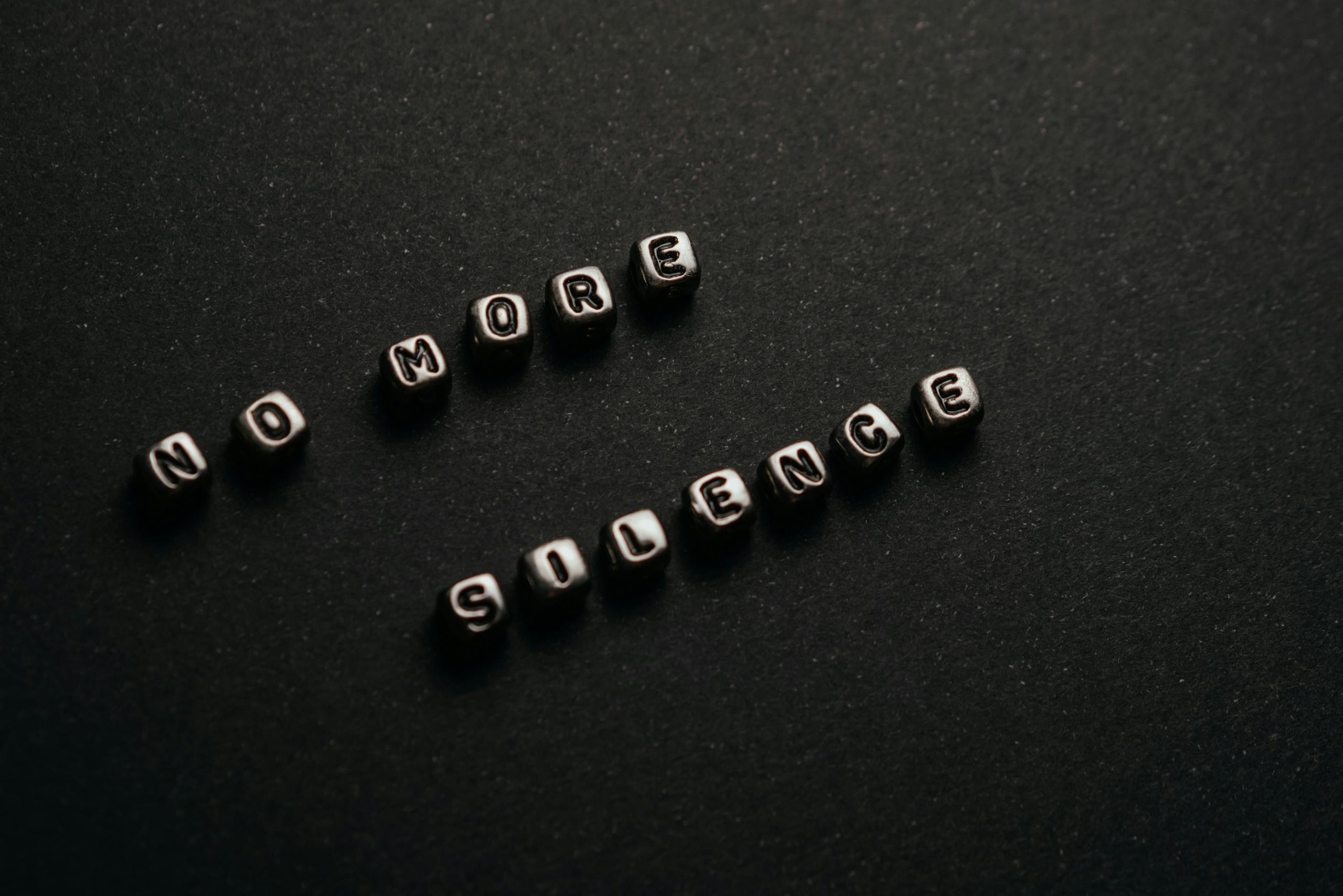
A daughter should know how to defend herself with clarity, not cruelty. Speaking up does not mean shouting at every person who disagrees with her. It means knowing when silence protects peace and when it allows disrespect to grow. She should learn to say “That is not okay,” “I disagree,” “Please do not speak to me that way,” and “I need help” without feeling ashamed.
This lesson becomes powerful when we model it at home. If we constantly interrupt her, dismiss her concerns, or punish her for respectfully expressing herself, we teach her that her voice is unsafe. Instead, we should show her how healthy disagreement works. A daughter who can speak up at home is more likely to speak up in classrooms, friendships, workplaces, and relationships.
Teach Her That Mistakes Are Lessons, Not Life Sentences
Teenage girls can be very hard on themselves. One wrong choice can feel like the end of the world. One embarrassing moment can replay in the mind for weeks. One failure can convince her that she is not smart, talented, pretty, or capable enough. That is why we must teach her early that mistakes are not life sentences.
She needs to understand responsibility without drowning in shame. When she makes a mistake, we should help her ask better questions. What happened? What did you learn? Who was affected? What can you repair? What will you do differently next time? Shame says, “I am bad.” Growth says, “I made a poor choice, and I can become wiser.” That difference can shape her entire emotional life.
Teach Her That Kindness Must Include Herself
Kindness is one of the most valuable lessons we can teach a daughter, but it must not become self-erasure. She should learn to treat people with empathy, patience, and fairness. She should also learn that being kind does not mean accepting disrespect, carrying everyone’s emotional weight, or forgiving people who continue to harm her.
Self-kindness matters because many girls become experts at comforting others while speaking cruelly to themselves. We should teach her to rest when tired, ask for support when overwhelmed, celebrate progress, and stop calling herself names she would never call a friend. A kind girl can still be firm. A gentle girl can still have boundaries. A compassionate girl can still walk away.
Teach Her That Her Future Belongs to Her
A daughter should not grow up believing her life is only a script written by other people. She can love her family, respect her culture, honor her faith, and still have a voice in her own future. Before 16, she should start learning how to think about her gifts, interests, values, goals, and standards.
We should teach her that success is not one narrow path. Some girls are academic. Some are artistic. Some are entrepreneurial. Some are technical. Some are quiet leaders. Some are bold communicators. Our role is not to force her into a version of life that flatters us. Our role is to help her become capable, wise, grounded, and brave enough to build a life she can respect.