Canadians Are Watching Trump’s Second Term With Deep Unease. Donald Trump’s return to the White House is not just an American political story for Canadians. It has become a question about trade, climate, national identity, border stability, consumer choices, and the future of Canada’s relationship with its closest neighbor. When we look at Canadian public opinion, one thing becomes clear: many people are not simply reacting to Trump as a personality. They are reacting to what his presidency could mean for their jobs, prices, values, travel plans, and sense of security.
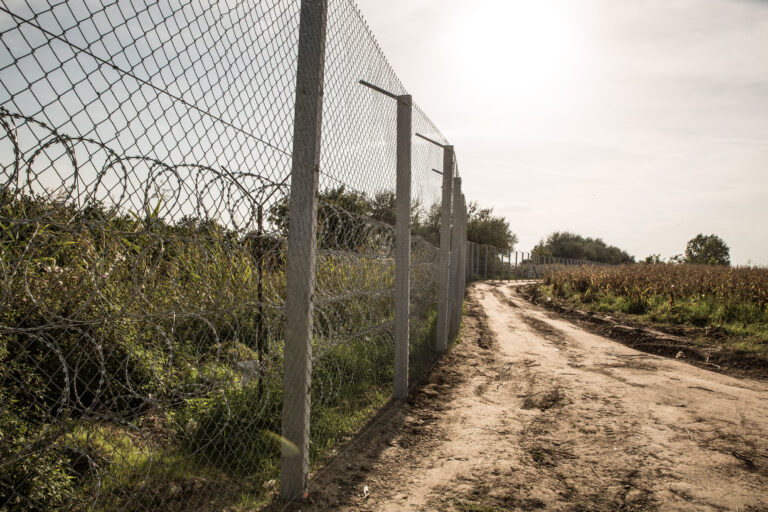
The anxiety is especially sharp because Canada and the United States are tied together in ways few neighboring countries are. We share one of the world’s most important trade relationships, a long border, deeply connected supply chains, and overlapping cultural spaces.
Canada’s Economy Is Too Connected to Ignore Washington

The economic relationship between Canada and the United States sits at the center of the worry. The two countries trade hundreds of billions of dollars in goods and services, and many industries depend on parts, products, workers, customers, and regulations that cross the border repeatedly. Automobiles, energy, agriculture, machinery, steel, aluminum, consumer goods, and technology all sit inside this web.
That is why tariff threats can create instant anxiety in Canada. A tariff is not just a political headline. It can raise costs, slow orders, squeeze manufacturers, damage exporters, and force businesses to rethink hiring. When the United States changes trade policy suddenly, Canadian companies often have to react quickly, even when they did not cause the conflict. This is why we see Trump’s second term being judged through an economic lens, not only a political one.
Tariffs Turn Political Stress Into Everyday Pressure
Trade tensions become especially painful when they reach ordinary households. A tariff fight can affect prices, availability, business confidence, and employment. Canadian workers in manufacturing, steel, aluminum, agriculture, energy, transport, and retail can all feel the ripple effects. Even people who do not follow politics closely may notice higher prices, fewer product choices, or more cautious employers.
This is one reason Trump’s presidency creates such a strong reaction in Canada. Many Canadians remember the uncertainty of his first term, especially the battles over trade rules and tariffs. A second term raises the fear that Canada may again have to defend its industries against sudden U.S. pressure. For a country that relies on rules-based trade, unpredictability can feel like a tax on planning itself.
Climate Change Is One of the Sharpest Fault Lines
The Research Co. poll found that 63% of Canadians believe Trump’s second term will be negative for the fight against climate change. That result is important because climate policy is not an abstract issue in Canada. Wildfires, floods, extreme heat, drought, insurance costs, and debates over the energy transition have made climate risk part of daily life across the country.
Trump’s political brand has often clashed with climate action. Many Canadians worry that a weaker U.S. climate agenda could slow global cooperation, encourage the expansion of fossil fuels without sufficient environmental safeguards, and weaken pressure on large emitters. Since the United States remains one of the world’s most influential economies, its climate choices can shape investment, regulation, technology, and international commitments far beyond its borders.
Political Correctness and Culture Wars Add Another Layer

The poll also found that 60% of Canadians think Trump’s second term will be negative for the state of political correctness in the world. That phrase can mean different things to different people, but the deeper issue is cultural conflict. Many Canadians worry that U.S.-style culture wars could intensify arguments over race, gender, immigration, education, media trust, free speech, and national identity.
Canada already has its own political divisions, but American political language often travels quickly through social media, television, podcasts, and online communities. When U.S. politics becomes more combative, Canadian debates can become sharper too. This is why some Canadians see Trump’s influence as cultural as much as governmental. They fear a louder, harsher public mood that rewards outrage and weakens compromise.
Canadians Remember Biden More Positively Than Trump’s First Term
The poll shows that 51% of Canadians believe Joe Biden’s presidency was good or very good for Canada. In contrast, 54% say Trump’s first term was bad or very bad. That comparison matters because Canadians are not judging Trump’s second term in a vacuum. They are measuring it against recent memory.
Biden may not have been universally loved in Canada, but his presidency was often seen as more predictable and traditional. Trump’s first term, by contrast, created trade fights, diplomatic tension, and a more confrontational tone. When people already have a memory of disruption, they are more likely to expect disruption again. That is why Trump’s second term begins with a trust deficit among many Canadians.
Fear and Disgust Show How Emotional the Issue Has Become
When Canadians were asked to choose an emotion that describes how they feel about Trump taking office again, the most common answer was disgust at 23%. Fear followed at 19%. Those are not mild emotions. They suggest that Trump’s return triggers more than routine political disagreement.
Disgust often appears when people feel a leader violates their values or lowers public standards. Fear appears when people expect harm, instability, or loss of control. Together, these emotions reveal why Trump’s presidency is such a powerful issue in Canada. It is not only a debate about policy. It is also a reaction to tone, trust, identity, and the feeling that Canada may be pulled into another country’s political storm.
Why Some Canadians Prefer Conservatives to Handle Trump
One of the most politically important findings is that 46% of Canadians believe a Conservative federal government would be better suited to deal with the effects of Trump’s presidency, while 31% prefer a Liberal federal government. This does not mean most Canadians support Trump. It means many believe a Conservative government may be better positioned to negotiate with a Republican White House.
That perception could matter in Canadian federal politics. Voters may dislike Trump’s style but still think Canada needs a government that can speak his language, prioritize economic defense, and avoid ideological clashes. Conservatives may benefit from the belief that they are more pragmatic on trade and security with Trump. Liberals, meanwhile, may try to argue that Canada needs a government willing to stand firm on values, climate policy, and sovereignty.
Regional Canada Sees the Risk Differently
Regional differences add more depth to the story. Alberta showed the strongest preference for a Conservative federal government to handle Trump, with 55% choosing that option. Pluralities in Saskatchewan and Manitoba, Ontario, Atlantic Canada, British Columbia, and Quebec also leaned toward the Conservatives on this specific question.
This regional pattern reflects Canada’s economic map. Energy-producing regions may focus on pipelines, oil, gas, and market access. Manufacturing-heavy regions may worry about auto tariffs and supply chains. Provinces with strong export sectors may care about border stability and trade rules. The common thread is that Trump’s presidency touches different provinces in different ways, but almost no region can ignore it.
Consumer Backlash Is Already Part of the Story
The poll found that 16% of Canadians had avoided buying U.S.-origin goods when a non-American alternative was available. Another 13% had canceled a planned trip to the United States, and 11% had avoided American restaurant franchises in Canada because of Trump’s election. Those numbers may look modest at first glance, but they are meaningful because they show politics changing personal spending.
Consumer boycotts are rarely universal. They usually begin with a committed minority, then grow when political anger becomes social identity. Buying Canadian can become more than a shopping decision. It can become a small act of protest, pride, or self-protection. When U.S. politics affects how Canadians choose groceries, restaurants, vacations, and brands, the diplomatic problem has already entered everyday life.
Travel to the United States Becomes a Political Choice
For decades, travel between Canada and the United States has felt ordinary. Families cross for shopping, sports, tourism, business, concerts, snowbird winters, and weekend trips. Trump’s second term has made some Canadians rethink that habit. A canceled trip may not change foreign policy, but millions of changed plans can affect airlines, hotels, restaurants, border communities, and tourism operators.
This is where public opinion becomes economic behavior. A Canadian who avoids the United States may spend money in Canada, Mexico, the Caribbean, Europe, or elsewhere instead. That shift can hurt U.S. destinations that rely on Canadian visitors. It can also strengthen Canada’s domestic tourism market. Political tension does not stay in speeches. It can move through airports, highways, hotel bookings, and credit card statements.
The Canada-U.S. Relationship Is Too Valuable to Break
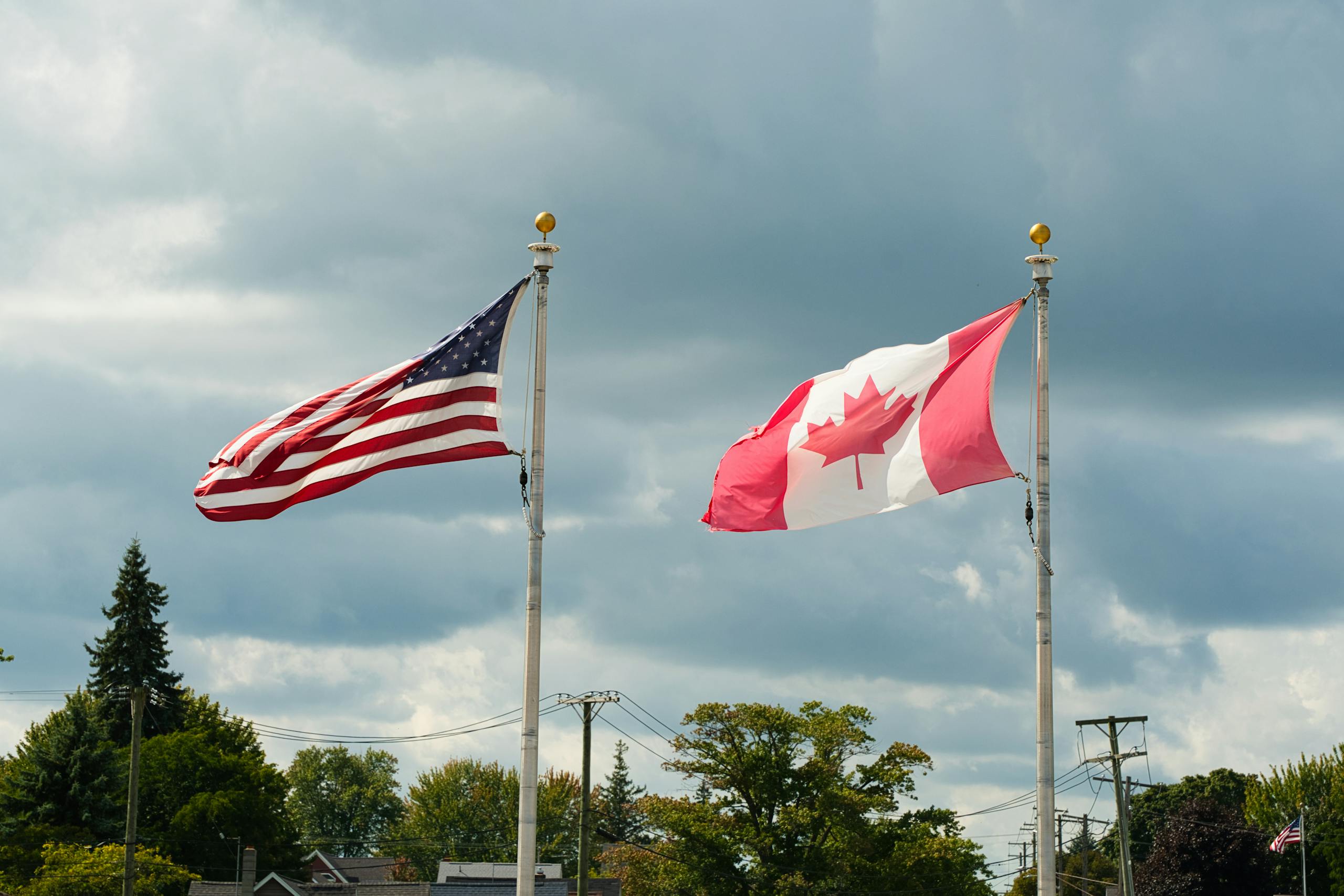
Even amid rising public frustration, Canada cannot treat the United States as just another foreign country. The relationship is too large, too close, and too economically important. Millions of jobs, businesses, families, and communities depend on cross-border stability. The challenge for Canada is not to walk away from the United States. The challenge is to protect Canadian interests inside a relationship that can no longer be taken for granted.
This is why Trump’s second term creates such a complicated response. Canadians may feel angry, worried, or distrustful, but they also know the U.S. remains essential. The result is a tense mix of dependence and resistance. Canada needs access to the U.S. market, but Canadians do not want to feel politically cornered by Washington. That tension may define the next chapter of Canada-U.S. relations.
Businesses Need a New Risk Strategy
Canadian businesses should treat Trump’s second term as a reminder that political risk is now part of everyday planning. Exporters cannot assume that trade rules will stay calm. Retailers cannot assume that consumers will ignore country-of-origin labels. Manufacturers cannot assume that supply chains will remain protected from sudden tariffs or border disruptions.
The smarter strategy is diversification. That can mean finding more domestic suppliers, building alternative export markets, reviewing tariff exposure, strengthening Canadian branding, and preparing customer communication plans. Companies that wait for a crisis may find themselves reacting too late. Companies that plan early can turn uncertainty into resilience.
Canadian Leaders Face a Hard Balancing Act
Federal and provincial leaders must manage two pressures at once. They need to defend Canada firmly when U.S. policy threatens Canadian workers, industries, or sovereignty. They also need to keep channels open because the relationship is too important to collapse into permanent hostility.
This requires careful language and practical strategy. Canada cannot afford performative outrage that produces no results. It also cannot afford to be weak, as that invites more pressure. The best approach is disciplined firmness: defend key industries, coordinate with provinces, support affected workers, pursue trade diversification, and negotiate without giving away Canada’s leverage.
Conclusion
Canadians are not simply observing Trump’s second term from across the border. They are preparing for its consequences. The concern reaches from Parliament to provincial economies, from climate policy to grocery shelves, from diplomatic strategy to family travel plans. That is what makes this moment so serious.
We should understand the Canadian reaction as a warning about trust. Once a close neighbor becomes unpredictable, people change how they vote, shop, travel, invest, and think about the future.