Tequila can look glamorous on the shelf and still taste like a bad decision in a fancy bottle. That is the trap. Some brands hide behind celebrity buzz, shiny packaging, bargain pricing, or nostalgic party culture, but the pour tells the truth quickly.
A good tequila should feel balanced, clean, and worth the money. A bad one usually burns too hard, tastes too sweet, smells too artificial, or needs half a glass of mixer just to survive. These are the kinds of bottles shoppers should approach with caution before they turn a fun night into a brutal morning.
Montezuma Blanco
Montezuma Blanco is the kind of bottle people buy because the price looks harmless. The problem is that the taste can feel harsh, thin, and unfinished. Cheap tequila should still have some dignity, but this one often feels like it was made for masking, not enjoying.
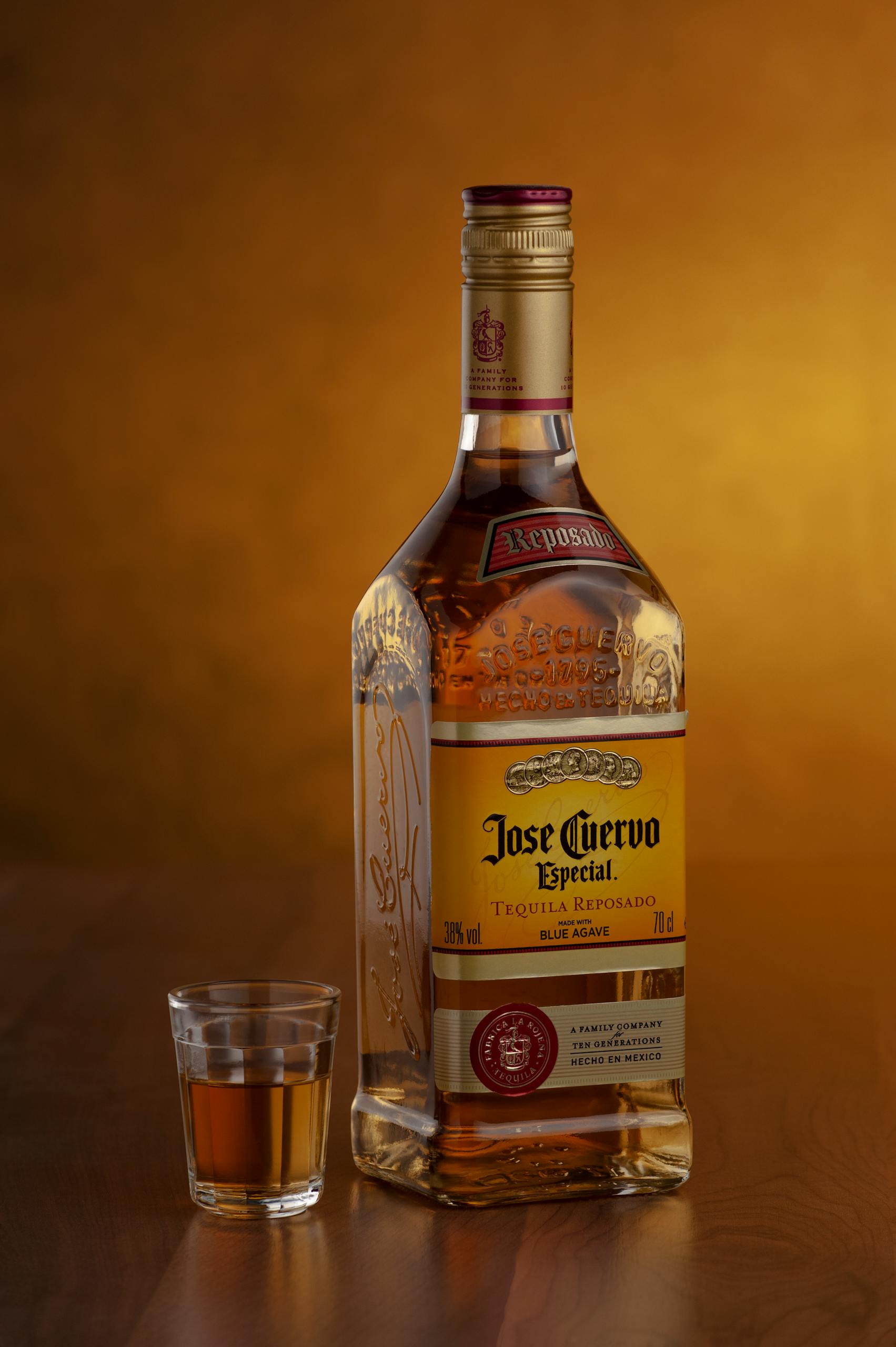
Jose Cuervo Gold
Jose Cuervo Gold has name recognition, but that does not automatically make it a smart buy. Its sweet, rough profile can feel more like a party shortcut than a quality tequila. For anyone expecting smooth agave character, this bottle can be a sharp disappointment.
Sauza Gold
Sauza Gold survives because it is easy to find and affordable. That convenience comes with a tradeoff. The flavor can feel flat, sugary, and forgettable, making it better suited to desperate mixers than to confident sippers.
Pepe Lopez Gold
Pepe Lopez Gold often feels like tequila chosen in a rush. It may work when nobody is paying attention, but the roughness becomes obvious when the drink is simple. A bottle that needs too much juice, salt, or lime to behave is already giving you a warning.
Two Fingers Gold
Two Fingers Gold sounds fun, but the drinking experience can feel careless. It carries that old bargain-shelf energy where strength matters more than flavor. That may impress nobody except the person trying to spend as little as possible.

El Toro Silver
El Toro Silver sits in the risky corner of cheap tequila. It can come across as sharp and aggressive, even in cocktails. When a tequila keeps fighting through the mixer, it is no longer saving the drink. It is damaging it.
Cutwater Blanco
Cutwater Blanco looks modern and clean, but the taste may not match the presentation. Some bottles feel too hot, too plain, or too forgettable for the price. Packaging can instill confidence, but glass usually reveals the truth.
Clase Azul Reposado
Clase Azul Reposado is beautiful, expensive, and impossible to ignore. That is exactly why it deserves scrutiny. Many shoppers may be paying more for the ceramic bottle and luxury image than for a tequila that truly justifies the price.
Celebrity Tequilas
Celebrity tequila can be dangerously persuasive. A famous face can make a bottle feel premium before anyone even tastes it. The risk is paying for fame, branding, and lifestyle marketing instead of craftsmanship.
Mixto Tequilas
Mixto tequila is one of the biggest traps on the shelf. If the label does not say 100 percent agave, shoppers should slow down. Extra sugars and shortcuts can lead to rough flavor, cheap sweetness, and a harder next morning.
Overpriced Bottles
Some tequilas are not terrible because they taste awful. They are terrible because the price is ridiculous for what they deliver. A fancy bottle, heavy glass, or dramatic label should never replace real flavor.
Bottom-Shelf Handles
Large, cheap handles can look like a bargain until the first pour. They are often bought for crowds, parties, or mixed drinks, but quantity cannot rescue poor quality. If the bottle is huge, cheap, and suspiciously loud on the label, the regret may arrive quickly.
Conclusion
Bad tequila usually announces itself through burn, fake sweetness, weak agave flavor, or a price that makes no sense. The smartest drinkers do not get hypnotized by pretty bottles, famous names, or bargain-bin confidence. They check the label, respect 100 percent agave, and remember that the cheapest bottle can become expensive when nobody wants to drink it.